
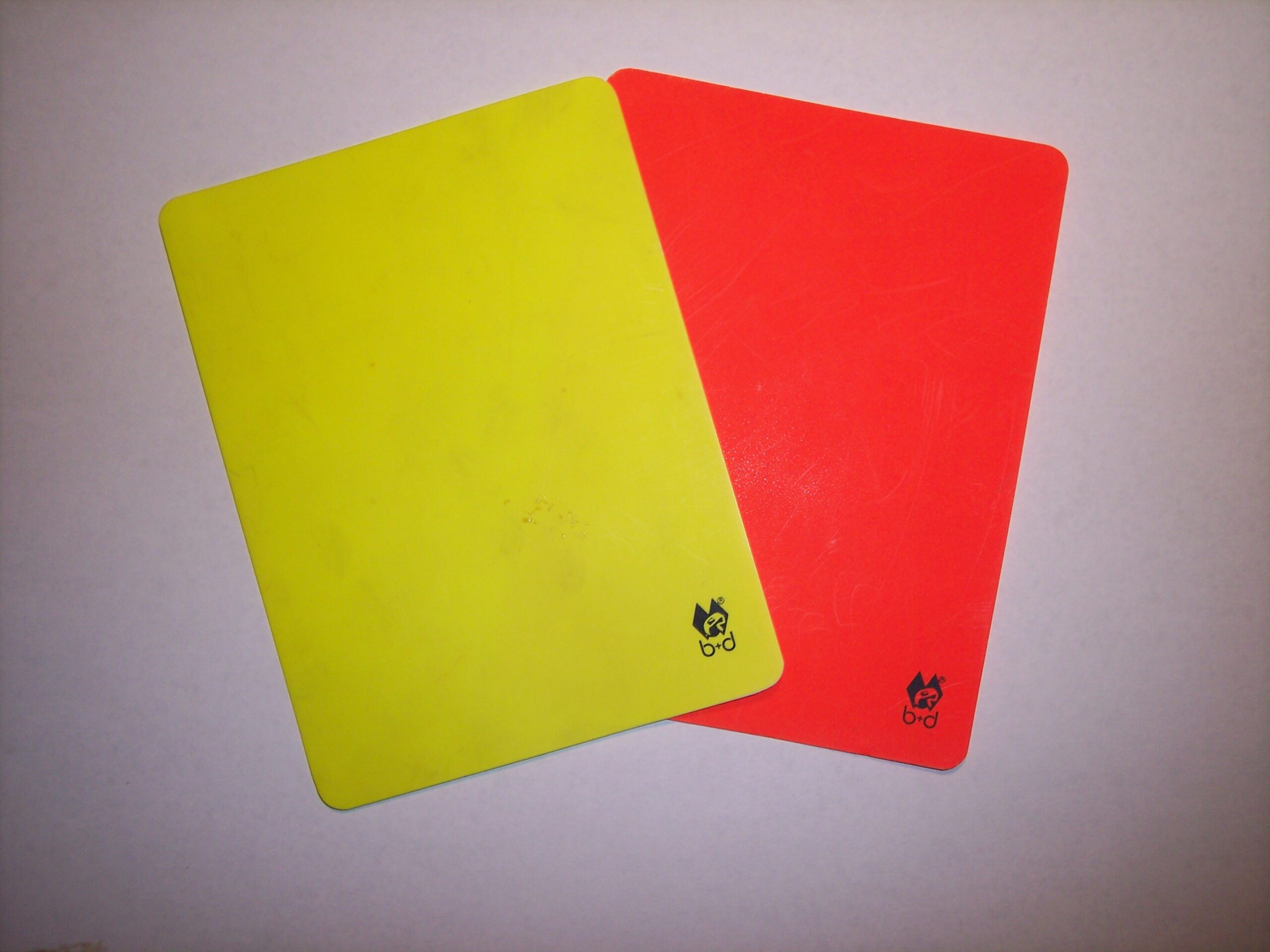
Brief Introduction of Tarjeta Roja
Tarjeta Roja, Spanish for “Red Card,” is a name famously associated with a network of websites known for the unauthorized live streaming of sporting events. Primarily broadcasting football matches, these platforms gained immense popularity by providing free access to content that would otherwise require a paid subscription. The name itself is a metaphor, likening its service to the ultimate penalty in football, reflecting its disruptive and often illegal nature in the world of sports broadcasting. While not a single person, Tarjeta Roja represents a significant entity in the realm of online piracy, most notably linked to the website Rojadirecta and its parent company, Puerto 80 Projects, directed by Igor Seoane. The history of Tarjeta Roja is a protracted legal battle with sports leagues and broadcasters over copyright infringement, leading to numerous court cases, fines, and domain blockades across various countries. Its story highlights the ongoing conflict between content creators and online piracy in the digital age.

Tarjeta Roja Overview
| Full Name | Tarjeta Roja / Rojadirecta (operated by Puerto 80 Projects) |
| Date of Birth | Not applicable; the associated website Rojadirecta was created in the mid-2000s. |
| Age(as of 2025) | Not applicable. |
| Birthplace | Spain (referring to the origin of its operator). |
| Profession | Website operator (illegal sports streaming). |
| Husband/Wife | Not applicable. The main individual associated is Igor Seoane. |
| Family | The primary associated individual is Igor Seoane, director of the parent company Puerto 80 Projects. |
| Relationship/Affairs(GF/BF) | Not applicable. |
| Net Worth | Information not disclosed, but has faced multi-million euro fines. |
Early Life and Education of Tarjeta Roja
The concept of Tarjeta Roja as a streaming entity did not have an “early life” or “education” in the traditional sense. Its origins can be traced back to the rise of peer-to-peer file sharing and live-streaming technology in the early 2000s. The digital landscape of this era was akin to a “Wild West,” with many individuals and groups experimenting with new ways to distribute content online. The founder and operator of the most prominent site under this umbrella, Rojadirecta, is Igor Seoane, from Spain. Information about his formal education is not publicly available. However, the creation and sustained operation of such a complex network of streaming links suggest a deep understanding of web development, digital rights management (or rather, the circumvention of it), and online advertising. The “education” of Tarjeta Roja, therefore, can be seen as an informal, hands-on learning process in the nascent and legally gray areas of the internet. The platform’s development was driven by a clear demand for free access to premium sports content, and its creators capitalized on this by aggregating and providing links to unauthorized broadcasts from around the world.
Tarjeta Roja’s Career
The “career” of Tarjeta Roja as a brand of illegal sports streaming websites began to take off in the mid-to-late 2000s. The most famous of these was Rojadirecta, which became a household name among football fans globally. Its primary function was not to host the streams itself but to act as an aggregator, providing a comprehensive and user-friendly index of links to live broadcasts of football matches and other sporting events. This model allowed it to grow rapidly, attracting millions of users who were unwilling or unable to pay for expensive television subscriptions. The breakthrough for Tarjeta Roja was its ability to consistently provide reliable streams for a vast array of events, from major leagues like LaLiga and the Premier League to smaller, less accessible competitions.
This success, however, brought it into direct conflict with broadcasters and sports organizations. Its career has been defined by a series of high-profile legal battles. For years, its operator, Igor Seoane, and his company, Puerto 80 Projects, argued in court that the site was merely a collection of links, akin to a search engine, and did not host any copyrighted material itself. This defense was successful in some early Spanish court cases. However, as copyright laws adapted to the digital age, and as pressure from powerful entities like LaLiga and Grup MediaPro mounted, the legal tide turned. Courts in various countries began to rule that providing organized access to illegal streams constituted copyright infringement. A major turning point came with a 2022 Spanish Supreme Court ruling that held Puerto 80 Projects and Seoane responsible for the widespread piracy. This led to massive fines, including one for €31.6 million issued by a commercial court in A Coruña. Over the years, Tarjeta Roja and its associated domains have been subject to numerous blocking orders in countries like Colombia, Argentina, and across Europe, forcing them to operate through a constantly shifting series of web addresses and mirror sites. Despite these legal challenges, the brand persists, demonstrating the resilience of online piracy and the ongoing demand for free content.
Tarjeta Roja Personal Life & Family
As Tarjeta Roja is not a person, it does not have a personal life or family. The central figure behind the most prominent “Tarjeta Roja” branded site, Rojadirecta, is Igor Seoane. Public information about Seoane’s personal life is scarce, as he has maintained a relatively low profile despite the high-profile nature of his legal battles. He is known to be the director of Puerto 80 Projects, the parent company of Rojadirecta. The legal proceedings against him reveal that the operation of the website was a significant and lucrative enterprise. Court documents have shown that a single account associated with Puerto 80 Projects received over €11 million, generated primarily through advertising revenue on the site. This suggests a lifestyle funded by the proceeds of the streaming empire. The “family” of Tarjeta Roja, in a broader sense, could be considered the network of associated websites and the anonymous individuals who provided and maintained the streaming links that were central to its operation.
Awards and Achievements of Tarjeta Roja
- Not applicable, as it is primarily known for illegal activities.
Tarjeta Roja Net Worth and Income
The precise net worth of Tarjeta Roja or its operator, Igor Seoane, is not publicly available. However, the financial scale of the operation has been illuminated through various legal proceedings. The websites generated substantial income through online advertising and referral commissions from sports betting platforms that targeted its vast user base. Judicial reports in Spain revealed that a single account linked to the parent company, Puerto 80 Projects, had taken in more than €11 million. This figure provides a glimpse into the profitability of the illegal streaming enterprise. While the platform offered content for free to users, it capitalized on its massive traffic to generate revenue. The financial success, however, is now overshadowed by significant legal penalties. In late 2024, a Spanish court ordered Puerto 80 Projects and Igor Seoane to pay €31.6 million in damages to Grup MediaPro for pirating football broadcasts. Such fines, coupled with ongoing legal battles and potential criminal charges, have severely impacted the financial standing of the entity. Seoane is also facing criminal charges, with prosecutors seeking a prison sentence of four years, while LaLiga and Grup MediaPro are pushing for six years.

Legacy and Influence
The legacy of Tarjeta Roja is complex and multifaceted. To millions of sports fans, it represented a revolutionary, anti-establishment force that provided free access to the “beautiful game,” breaking down the paywalls erected by major corporations. It demonstrated a colossal global demand for easily accessible, free sports content and highlighted the frustration of many with the rising costs of sports broadcasting. Its influence can be seen in the way it forced sports leagues and broadcasters to confront the realities of online piracy and to innovate in their own digital offerings. However, to the sports and media industries, Tarjeta Roja is a symbol of widespread intellectual property theft. Its operations caused significant financial damage to rights holders, who invest billions in acquiring and broadcasting sports events. The long-running legal battles against Tarjeta Roja and similar sites have set important legal precedents in the fight against digital piracy. The “dynamic precautionary blocking measures” ordered against sites like Tarjeta Roja TV in Colombia, for instance, represent a more aggressive and adaptable legal strategy to combat piracy. Ultimately, Tarjeta Roja’s legacy is that of a disruptive pioneer in the world of illegal streaming, one that both empowered consumers and challenged the traditional business models of sports entertainment.
Interesting Facts about Tarjeta Roja
- The name “Tarjeta Roja” (Red Card) is a direct reference to the most severe penalty in football, symbolizing a dismissal from the game, which mirrors the site’s function of circumventing official broadcasters.
- The primary legal defense used for years by its operator was that the site was merely an index of links and did not host any infringing content, a defense that became less effective over time.
- Despite numerous domain seizures and blocks in several countries, the network has continued to operate by migrating to new web addresses.
- The legal actions against Tarjeta Roja’s parent company, Puerto 80 Projects, have been led by some of the biggest names in Spanish football, including LaLiga and the media giant Grup MediaPro.
- The director of the company behind Rojadirecta, Igor Seoane, faces not only massive multi-million euro fines but also potential prison time for his role in the operation.
Controversies
The entire existence of Tarjeta Roja is steeped in controversy. The fundamental controversy is its business model, which is based on the unauthorized distribution of copyrighted material. This has led to a cascade of legal and ethical disputes. For over a decade, Tarjeta Roja and its associated entities, particularly Rojadirecta, have been embroiled in legal battles across the globe. Sports leagues, such as Spain’s LaLiga, and broadcasters have accused the platform of costing the industry billions of dollars in lost revenue. A major point of contention was the website’s argument that it was a passive intermediary, which courts eventually rejected. The Spanish Supreme Court’s 2022 ruling was a landmark decision that established the site’s clear responsibility for copyright infringement. Further controversy surrounds the significant profits made from what was an illegal enterprise, with court documents revealing millions of euros in advertising revenue. The ongoing efforts to shut down the network have also sparked debates about internet freedom and the extent to which internet service providers should be responsible for blocking access to such sites.
Social Media Presence
- Instagram – Not applicable. The service operates through its websites.
- Twitter – Not applicable. The service operates through its websites.
- YouTube – Not applicable. The service operates through its websites.
Final Words about Tarjeta Roja
As of 2025, Tarjeta Roja and its various iterations continue to represent a significant challenge to the sports broadcasting industry. While major legal victories have been won against its most famous manifestation, Rojadirecta, and its operator Igor Seoane, the decentralized and adaptable nature of online piracy means that the brand and its function persist through other domains and platforms. The huge fines and potential jail time for Seoane serve as a stark warning to operators of similar illegal services. However, the demand for free sports streaming remains unabated. The future of Tarjeta Roja will likely involve a continued cat-and-mouse game with law enforcement and copyright holders. Its legacy will be remembered as a pivotal chapter in the digital media revolution, one that exposed the vulnerabilities of traditional broadcasting models and forever changed the conversation around intellectual property, access, and the global consumption of sports.