Brief Introduction of Staffan Olsson
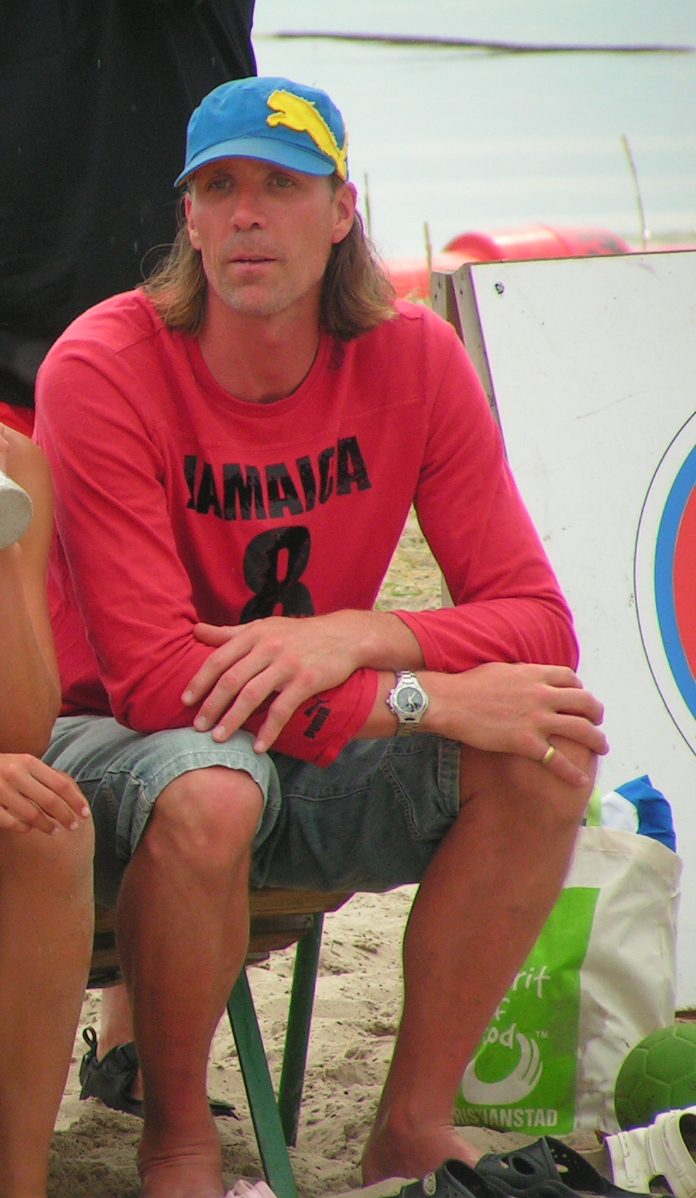
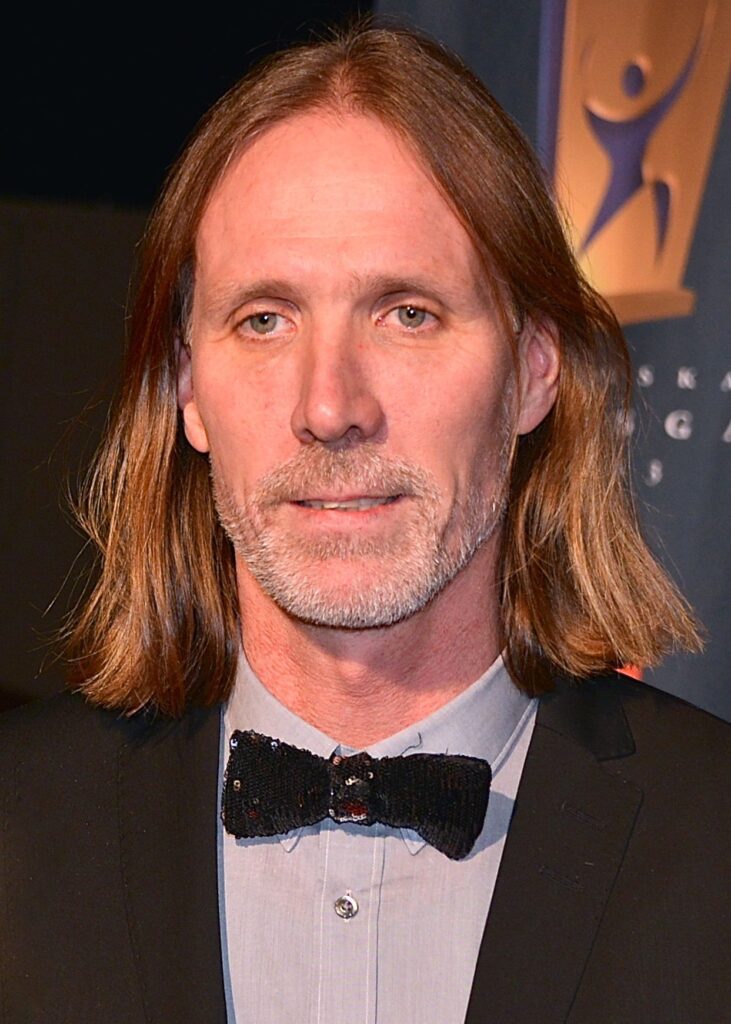
Erik Staffan Olsson is a legendary figure in the world of professional handball, celebrated both as a formidable player and a highly respected coach. Born on March 26, 1964, in Uppsala, Sweden, Olsson carved out an illustrious career as a left-handed right back, renowned for his powerful shot and exceptional playmaking abilities. A quintessential member of the iconic Swedish national team known as the “Bengan Boys,” he was instrumental in their golden era during the 1990s and early 2000s. His long, flowing hair and the number 13 on his jersey became his trademarks on the court. After a decorated playing career spanning over two decades, Olsson seamlessly transitioned into coaching, bringing his tactical acumen and leadership to several top clubs and national teams, further cementing his legacy in the sport.
Staffan Olsson Overview
| Full Name | Erik Staffan Olsson |
| Date of Birth | March 26, 1964 |
| Age(as of 2025) | 61 |
| Birthplace | Uppsala, Sweden |
| Profession | Handball Coach and former Professional Handball Player |
| Husband/Wife | Marie Olsson |
| Family | Son – Henrik Olsson, Daughter – Hanna Olsson |
| Relationship/Affairs(GF/BF) | Not publicly available |
| Net Worth | Not publicly available |
Early Life and Education of Staffan Olsson
Erik Staffan Olsson was born and raised in Uppsala, Sweden, a city with a rich cultural and academic history. His journey into the world of handball began at the tender age of 10 when he joined the local youth team, Skånela IF. It was here that the foundational skills of a future international star were forged. Olsson showed a natural aptitude for the sport, and his dedication was evident from a young age. While detailed information about his formal academic pursuits beyond his sporting commitments is not widely publicized, his early life was clearly dominated by his passion for handball. He balanced his schooling with rigorous training, a commitment that required immense discipline. As a teenager, he moved to the Stockholm-based club HK Cliff in 1980 to further his development in a more competitive environment. This move was a significant step in his young career, indicating his ambition to reach the pinnacle of the sport. During this period, he commuted by train for 45 minutes to each training session while still attending school, a testament to his early dedication. His talent was undeniable, and he quickly progressed through the ranks, laying the groundwork for what would become a legendary career in professional handball.
Staffan Olsson’s Career
Staffan Olsson’s career is a remarkable saga of longevity, success, and profound impact on the sport of handball. His professional journey began in earnest with HK Cliff in Sweden, where he played from 1983 to 1989. His prowess as a powerful left-handed right back did not go unnoticed, and in 1989, at the age of 25, he took his talents to Germany, signing with TV Hüttenberg. This marked the beginning of a long and successful period in the competitive German Bundesliga. He later played for TV Niederwürzbach (1992–1996) before joining the powerhouse club THW Kiel in 1996. His time at Kiel was the pinnacle of his club career; he helped the team secure four German championships (1998, 1999, 2000, 2002) and two EHF Cup victories (1998, 2002).
Parallel to his club success, Olsson was the heart of the Swedish national team from his debut in 1986 until his international retirement in 2004. Amassing an incredible 358 caps and scoring 855 goals, he was a central figure in the famed “Bengan Boys” generation, which dominated world handball. This era saw Sweden capture two World Championship gold medals (1990, 1999), a silver (1997), and two bronzes (1993, 1995). They were even more dominant in Europe, winning four European Championship titles (1994, 1998, 2000, 2002). One of his most iconic moments came in the 2002 final against Germany on home soil, where he scored a dramatic goal in the dying seconds to send the match into overtime, which Sweden went on to win. Despite this incredible success, the one prize that eluded him as a player was Olympic gold; he won three consecutive silver medals with the national team in 1992, 1996, and 2000.
After retiring as a player in 2006, Olsson seamlessly transitioned into a highly successful coaching career. He began as a player-coach at Hammarby IF in Sweden, immediately leading them to three consecutive Swedish championships from 2006 to 2008. In 2008, he took on the role of co-head coach for the Swedish national team alongside Ola Lindgren, a position he held until 2016. During this tenure, he guided Sweden to another Olympic silver medal in London in 2012, this time from the sidelines. His coaching journey also included a stint as an assistant coach at the top-tier French club Paris Saint-Germain from 2015 to 2018, where he won a French championship. After a brief period as the High Performance Director for USA Team Handball, Olsson was appointed head coach of the Netherlands men’s national team in August 2022, a role he continues to hold.
Staffan Olsson Personal Life & Family
Despite his high-profile career as a handball icon, Staffan Olsson has maintained a relatively private personal life. He is a dedicated family man, married to his wife, Marie Olsson (née Momats). Together, they have built a strong family foundation away from the glare of the handball court. The couple has two children, a daughter named Hanna and a son named Henrik. Both children are now grown and have pursued their own paths. Growing up with a father who was a global sports star undoubtedly shaped their lives, yet the family remained grounded. In the past, Marie and the children lived in Stockholm while Staffan’s coaching career took him to Paris, a situation that highlighted the family’s support for his professional commitments. He has spoken about the importance of family and the challenges of balancing a demanding career with home life. Beyond handball, Olsson has developed other interests; after his playing career, he notably took up water polo. He also cultivated an interest in beer culture during his years in Germany, which later led him to launch his own brand of beer.
Awards and Achievements of Staffan Olsson
- Inducted into the European Handball Federation (EHF) Hall of Fame (2024)
- As a Player:
- Olympic Games Silver Medalist: 1992, 1996, 2000
- World Championship Gold Medalist: 1990, 1999
- World Championship Silver Medalist: 1997
- World Championship Bronze Medalist: 1993, 1995
- European Championship Gold Medalist: 1994, 1998, 2000, 2002
- German Champion (with THW Kiel): 1998, 1999, 2000, 2002
- German Cup Winner (with THW Kiel): 1998, 1999, 2000
- EHF Cup Winner (with THW Kiel): 1998, 2002
- Voted into World Championship All-Star Team: 1997, 1999
- As a Coach:
- Olympic Games Silver Medalist (with Sweden): 2012
- Swedish Champion (with Hammarby IF): 2006, 2007, 2008
- French Champion (Assistant Coach with Paris Saint-Germain): 2016
Staffan Olsson Net Worth and Income
Detailed and verified information regarding Staffan Olsson’s net worth is not publicly available. As a top-tier handball player in the German Bundesliga for over a decade and subsequently a high-profile international coach for clubs like Paris Saint-Germain and national teams such as Sweden and the Netherlands, he has undoubtedly earned a substantial income throughout his career. His earnings would have been composed of player salaries, coaching contracts, and potentially personal endorsements. However, without public disclosure, any specific figures would be purely speculative. His primary income sources have been his professional contracts within the sport of handball. There is no publicly disclosed information about his investments or other business ventures, aside from a personal interest in brewing his own beer.

Legacy and Influence
Staffan Olsson’s legacy in handball is immense and multifaceted. As a player, he was a defining member of the “Bengan Boys,” the Swedish national team that set a new standard for excellence and teamwork in the 1990s. His powerful shot, intelligent playmaking, and distinctive on-court presence with his long hair made him one of the most recognizable and respected players of his generation. He helped popularize the sport in Sweden and across Europe, inspiring countless young athletes. His clutch performance in the 2002 European Championship final remains one of the most memorable moments in the sport’s history. As a coach, he has successfully translated his deep understanding of the game into developing new generations of talent. His coaching philosophy is seen as a blend of art and science, utilizing data-informed decision-making to enhance team performance. He has also been an advocate for the growth of handball in new territories, taking on the role of High Performance Director for USA Team Handball to help develop the sport in the United States. His recent ambassadorial role with sports technology firm KINEXON further highlights his commitment to innovation and advancing the sport through modern analytics.
Interesting Facts about Staffan Olsson
- He was known for his signature long hair throughout his playing career, which became an iconic part of his image.
- Olsson famously wore the number 13 on his jersey, a number often considered unlucky by some.
- He has two well-known nicknames: “Den gamle” (“The Old One”) in Sweden, and “Faxe.” The nickname “Faxe” was given to him by Icelandic players and means “horse” in Old Norse, a reference to his long hair resembling a mane.
- After retiring from playing, he took up the sport of water polo.
- During his time playing in Germany, he developed a passion for beer culture, which eventually led him to create his own brand of beer.
- He is a proponent of using technology and data analytics in coaching to improve player performance and tactical preparation.
Controversies
Staffan Olsson has maintained a career largely free of major controversy, earning a reputation for professionalism and sportsmanship. However, in January 2025, during his tenure as the head coach for the Netherlands, he and his team were subjected to unsportsmanlike behavior from the crowd. Following a World Championship match against North Macedonia, opposing fans reportedly threw objects onto the court at the Dutch players as they were celebrating their victory. The incident required Olsson and his team to leave the court area quickly for their safety. While Olsson himself was not the center of the controversy, he was directly affected by the volatile situation, which was widely reported as a scandalous event at the tournament.
Social Media Presence
Staffan Olsson does not maintain a significant public presence on major social media platforms like Instagram or Twitter. He appears to prefer keeping his life private and engaging with the public and media through official channels related to his coaching duties. Therefore, verified accounts with follower counts are not available.
- Instagram – Not publicly available
- Twitter – Not publicly available
- YouTube – Not publicly available
Final Words about Staffan Olsson
Staffan Olsson’s journey from a young boy in Uppsala to a celebrated hall-of-fame athlete and coach is a testament to his enduring talent and dedication to handball. His name is synonymous with the golden age of Swedish handball, a period he helped define with his skill and leadership on the court. His transition from a star player to a respected tactician on the sidelines has been remarkably successful, showcasing his deep-seated passion and intellectual grasp of the sport. Currently leading the Dutch national team, he continues to shape the future of international handball, fostering new talent and embracing innovative coaching methods. His legacy is not just in the numerous medals and championships he has won, but also in his influence on the game’s evolution and his role as an ambassador for the sport worldwide. Staffan Olsson remains a towering figure in handball, a true legend whose impact will be felt for generations to come.