
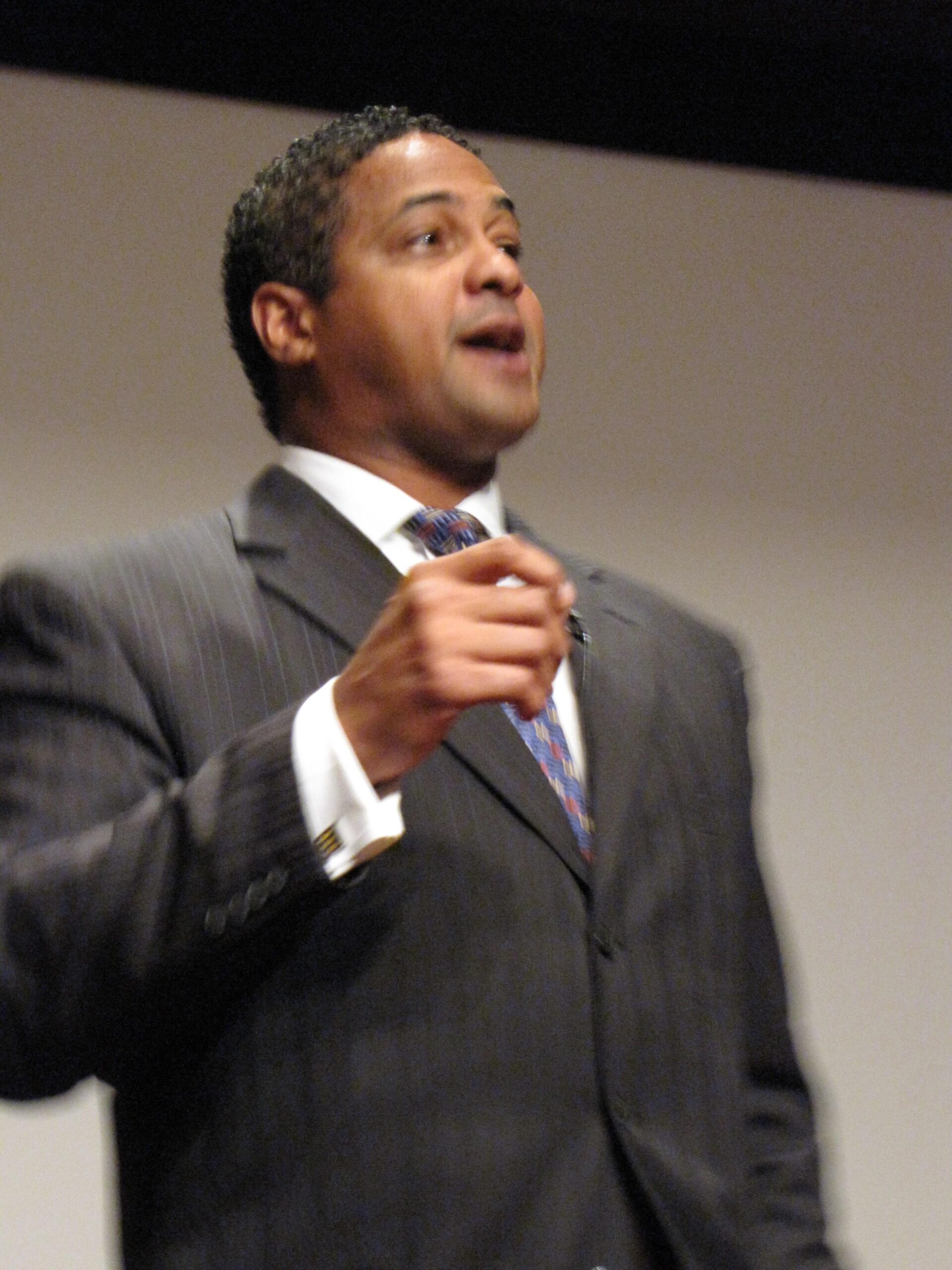
Brief Introduction of Roberto Clemente
Roberto Clemente Walker was a revered Puerto Rican professional baseball player, widely recognized as one of the greatest right fielders in Major League Baseball (MLB) history. Primarily playing for the Pittsburgh Pirates, Clemente captivated fans for 18 seasons with his exceptional hitting, daring base running, and powerful throwing arm. Beyond his athletic prowess, Roberto Clemente is equally celebrated for his profound humanitarian efforts and commitment to social justice, especially for Latino and Black athletes. His life was tragically cut short in 1972 while delivering aid to earthquake victims in Nicaragua, cementing his legacy as a compassionate hero who used his platform for the betterment of others.
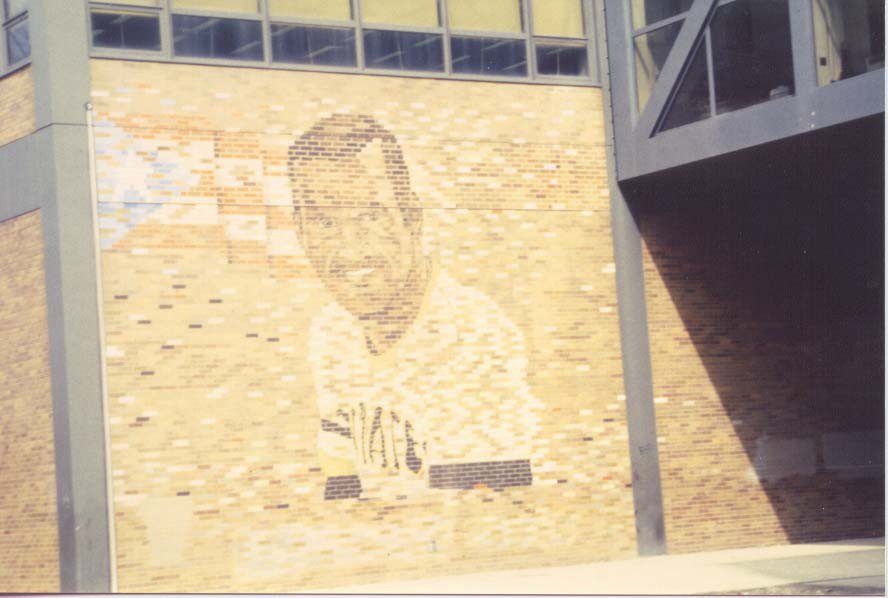
Roberto Clemente Overview
| Full Name | Roberto Enrique Clemente Walker |
|---|---|
| Profession | Professional Baseball Player (Right Fielder), Humanitarian |
| Date of Birth | August 18, 1934 |
| Age (at time of death) | 38 years |
| Date of Death | December 31, 1972 |
| Place of Birth | Barrio San Antón, Carolina, Puerto Rico |
| Place of Death | San Juan, Puerto Rico (died at sea) |
| Burial | Died at Sea |
| Parents | Melchor Clemente (Father), Luisa Walker (Mother) |
| Siblings | Six older siblings (three from mother’s previous marriage) |
| Spouse | Vera Cristina Zabala (married November 14, 1964) |
| Children | Roberto Jr. (b. 1965), Luis Roberto (b. 1966), Roberto Enrique (b. 1969) |
| Height | 5 ft 11 in (180 cm) |
| Weight | 175 lb (79 kg) |
| Bat/Throw | Right/Right |
| Jersey Number | 21 (Pittsburgh Pirates) |
| MLB Debut | April 17, 1955 |
| Last MLB Game | October 3, 1972 |
| Hall of Fame Induction | 1973 (Special Election) |
Early Life and Education of Roberto Clemente
Roberto Enrique Clemente Walker was born on August 18, 1934, in Barrio San Antón, Carolina, Puerto Rico, as the youngest of seven children to Melchor Clemente and Luisa Walker. His father worked as a foreman for sugar cane crops, and his mother as a laundress and also performed other jobs, reflecting the family’s modest economic background. Despite limited resources, the Clemente household prioritized education and instilled strong values of discipline and loyalty in their children. Roberto’s parents ensured their children were fed, especially during the economic struggles of World War II.
From an early age, Clemente displayed a keen interest in baseball, often playing against neighboring barrios with improvised equipment like bats carved from guava tree branches and gloves made from coffee bean sacks. His passion for the game grew as he watched Puerto Rico’s winter baseball league as a child. At 14, he was recruited by Roberto Marín to play softball for the Sello Rojo team, initially as a shortstop, where he received his first regulation baseball uniform. Marín became a mentor to the young Clemente, and later, Clemente asked him to be the godfather to his first son.
Clemente attended Julio Vizcarrondo Coronado High School in Carolina, where he was also a talented track and field athlete, excelling in the high jump and javelin throw and even harboring Olympic aspirations. However, his dedication eventually shifted entirely to baseball. At 17, he began his professional baseball career in Puerto Rico, signing with the Cangrejeros de Santurce (“Crabbers”) of the Puerto Rican Professional Baseball League (LBPPR) on October 9, 1952.
Roberto Clemente’s Career
Roberto Clemente’s professional baseball journey began in his native Puerto Rico before he ascended to legendary status in Major League Baseball. After playing for the Cangrejeros de Santurce, his talent quickly caught the attention of MLB scouts. In 1954, the Brooklyn Dodgers signed him with a $10,000 bonus, a significant sum at the time, but sent him to their Triple-A affiliate, the Montreal Royals. Due to the “bonus rule,” which mandated that any player receiving a bonus over $4,000 had to remain on the major league roster or be subject to a draft, the Dodgers ultimately lost Clemente. The Pittsburgh Pirates, who finished last in the National League in 1954, selected him in the Rule 5 draft for $4,000 in November 1954, marking the start of his illustrious MLB career.
Clemente made his MLB debut on April 17, 1955, and spent his entire 18-season career with the Pittsburgh Pirates. For most of his career, he famously wore number 21, chosen because his full name, Roberto Clemente Walker, contains 21 letters. His early years in Pittsburgh were challenging, as he struggled with injuries and a language barrier, feeling a deep sense of loneliness in a city with little Hispanic community at the time. Despite these hurdles, Clemente’s exceptional skills became undeniable.
He was renowned for his powerful right-handed bat, dazzling speed, and arguably the strongest and most accurate throwing arm in baseball. An announcer once remarked that “Clemente in the outfield was an epic poem”. His career statistics include a remarkable .317 lifetime batting average, exactly 3,000 career hits, and 240 home runs. He maintained a batting average over .300 for 13 seasons.
Clemente played a pivotal role in the Pirates’ two World Series championships. In 1960, he led the Pirates to victory over the New York Yankees, batting .310 in the Fall Classic. A decade later, in 1971, at 37 years old, Clemente delivered one of the most dominant individual performances in World Series history. Against the heavily favored Baltimore Orioles, he hit safely in all seven games, batting an astounding .414 with two home runs, two doubles, and a triple, leading the Pirates to another world title and earning the World Series Most Valuable Player (MVP) Award. His performance included a crucial solo home run in the deciding Game 7.
Throughout his career, Clemente was a 15-time All-Star (appearing in 14 All-Star games) and earned 12 consecutive Gold Glove Awards for his defensive excellence in right field from 1961 to 1972. He also won four National League batting titles (1961, 1964, 1965, 1967) and was named the National League MVP in 1966. Clemente achieved his 3,000th career hit—a double off Jon Matlack of the New York Mets—on September 30, 1972, in what would be his last regular season at-bat, becoming only the 11th player in MLB history to reach this milestone.
Beyond the baseball field, Roberto Clemente served as a reserve infantryman in the United States Marine Corps from 1958-1964, further showcasing his dedication and discipline. His impact extended far beyond statistics, as he continually championed for fair treatment and recognition for Latino and Black players, becoming a powerful voice against racial and cultural prejudices.
Roberto Clemente Personal Life & Family
Roberto Clemente’s personal life was deeply rooted in his Puerto Rican heritage and strong family values. He married Vera Cristina Zabala on November 14, 1964, at San Fernando Church in Carolina, Puerto Rico. Their wedding was a significant event, with thousands lining the streets to witness the procession. Vera, a graduate of the University of Puerto Rico with a degree in business administration, initially worked as a bank teller in Carolina. She was an exceptional woman in her own right, later becoming a Goodwill Ambassador for MLB and chairwoman of the Roberto Clemente Foundation.
Roberto and Vera had three sons: Roberto Jr., born in 1965; Luis Roberto, born in 1966; and Roberto Enrique, born in 1969. Roberto Clemente was a devoted husband and father, and his family remained a central part of his life. He was known to be a devout Catholic. His sons have continued his humanitarian legacy through the Roberto Clemente Foundation and other endeavors, working to keep their father’s memory and mission alive. Vera Clemente passed away on November 16, 2019, at the age of 78, after dedicating decades to preserving her husband’s legacy.
Clemente returned to Puerto Rico after each baseball season, where he continued to play in and manage local league teams, provide baseball clinics to young players, and spend cherished time with his family. He was deeply proud of his Puerto Rican roots and his mixed African-Puerto Rican heritage, often speaking out against the racial and cultural prejudices he encountered during his career. His desire to erase the “old opinion about Latin Americans and Blacks” was a driving force behind his actions both on and off the field.
Awards and Achievements of Roberto Clemente
Roberto Clemente garnered an impressive array of awards and honors throughout his illustrious career, recognizing both his athletic excellence and his profound humanitarian spirit.
- 15-time MLB All-Star (1960–1967, 1969–1972)
- 2-time World Series Champion (1960, 1971)
- National League Most Valuable Player (MVP) Award (1966)
- World Series MVP Award (1971)
- 12-time Gold Glove Award (1961–1972)
- 4-time National League Batting Champion (1961, 1964, 1965, 1967)
- 3,000 Career Hits (achieved September 30, 1972)
- Pittsburgh Pirates No. 21 Retired
- Pittsburgh Pirates Hall of Fame
- Baseball Hall of Fame Induction (1973, via special election, waiving the customary five-year waiting period)
- Commissioner’s Historic Achievement Award (2006, posthumously)
- Hispanic Heritage Baseball Museum Hall of Fame (2010)
- Caribbean Baseball Hall of Fame (2015)
- United States Marine Corps Sports Hall of Fame (2003)
In recognition of his unparalleled commitment to community and humanitarian efforts, Major League Baseball renamed its annual Commissioner’s Award to the “Roberto Clemente Award” in 1973, following his death. This prestigious award is given to the MLB player who “best exemplifies the game of baseball, sportsmanship, community involvement and the individual’s contribution to his team”.

Roberto Clemente Net Worth and Income
Assessing Roberto Clemente’s “net worth as of 2025” is not applicable given his tragic passing on December 31, 1972. At the time of his death, professional baseball salaries, while substantial for stars, were not comparable to modern-day athlete earnings. While specific figures for his net worth at the time of his death are not readily available from credible, updated sources, it is understood that he earned a significant income as one of baseball’s premier players. His income primarily came from his MLB contract with the Pittsburgh Pirates, endorsements, and his continued play in the Puerto Rican Winter League during the off-seasons.
Clemente was well-compensated for his era, reflecting his status as an MVP, multiple Gold Glove winner, and World Series champion. However, his financial priorities often extended beyond personal wealth accumulation, as evidenced by his extensive humanitarian work and willingness to use his own resources to help others. His legacy is defined more by his contributions to society and his community than by his financial accumulation.
Legacy and Influence
Roberto Clemente’s legacy extends far beyond his remarkable achievements on the baseball diamond. He is remembered as a pioneering figure for Latino athletes and a passionate humanitarian whose impact resonates decades after his untimely death. Clemente used his platform to speak out against racial and ethnic discrimination, becoming a vocal advocate for fair treatment and recognition for Black and Latino players in a predominantly white sport. A close friend, sportscaster Luis Mayoral, noted, “Roberto Clemente was to Latinos what Jackie Robinson was to Black baseball players. He spoke up for Latinos; he was the first one to speak out”.
His commitment to social justice was matched by his tireless humanitarian work. Clemente regularly engaged in charity work in Latin American and Caribbean countries during the off-season. His life culminated in a final, heroic act of selflessness on December 31, 1972, when he died in a plane crash while attempting to deliver emergency relief supplies to earthquake victims in Managua, Nicaragua. This profound sacrifice cemented his image as a man who lived by his conviction: “Any time you have an opportunity to make a difference in this world and you don’t, then you are wasting your time on Earth”.
The immediate aftermath of his death saw an unprecedented outpouring of grief and respect. He was posthumously elected to the Baseball Hall of Fame in 1973 through a special election, waiving the usual five-year waiting period, a rare honor previously only bestowed upon Lou Gehrig. That same year, MLB officially renamed its annual Commissioner’s Award to the Roberto Clemente Award, an honor celebrating players who exemplify sportsmanship, community involvement, and contributions to their team.
Clemente’s family, including his wife Vera and their three sons, have diligently continued his humanitarian work. Vera Clemente, until her passing in 2019, served as a Goodwill Ambassador for MLB and chairwoman for the Roberto Clemente Foundation, ensuring his vision of compassion endured. The “Ciudad Deportiva Roberto Clemente” (Roberto Clemente Sports City) in Carolina, Puerto Rico, a sports complex he dreamed of creating, was opened two years after his death and has since nurtured generations of Puerto Rican baseball talent. The Roberto Clemente Foundation continues to help disadvantaged youths, extending his influence globally. His legacy is a beacon of integrity, athleticism, and unwavering dedication to humanity, inspiring countless individuals and organizations worldwide.
Interesting Facts about Roberto Clemente
- Early Athleticism: Before dedicating himself fully to baseball, Clemente was a track and field star in high school, excelling in the high jump and javelin throw, and even considered an Olympic hopeful.
- The Number 21: Clemente wore jersey number 21 for most of his career, a choice made because his full name, Roberto Clemente Walker, contains exactly 21 letters.
- Military Service: He served in the United States Marine Corps Reserve from 1958 to 1964, demonstrating a commitment to service beyond baseball.
- The 3,000th Hit: His 3,000th career hit on September 30, 1972, was a double, and it remarkably turned out to be the last regular season at-bat of his career.
- World Series MVP Speech: After winning the 1971 World Series MVP, Clemente famously addressed his parents in Spanish on national television before speaking in English, expressing his love and pride for his heritage. This was a powerful moment for Latino viewers.
- Olympic Dream: As a teenager, Clemente was so talented in track and field that he considered trying out for the Olympics, a path he ultimately abandoned to pursue his baseball dreams.
- ”The Great One”: Clemente was often referred to by nicknames such as “Arriba” and “The Great One,” reflecting the admiration for his skills and presence.
- Faith: He was a devout Catholic, and in the 2010s, there was an initiative to have him canonized by the Catholic Church.
- All-Black Lineup: On September 1, 1971, Roberto Clemente was part of the Pittsburgh Pirates lineup that made history by becoming the first MLB team to field an all-black starting nine.
- His Own Name: His Baseball Hall of Fame plaque initially listed his name incorrectly as “Roberto Walker Clemente.” It was recast in 2000 to correct it to the proper Spanish format, “Roberto Clemente Walker”.
- Quotes: One of his most enduring quotes, reflecting his humanitarian philosophy, is: “Any time you have an opportunity to make a difference in this world and you don’t, then you are wasting your time on Earth”.
Controversies
While Roberto Clemente is overwhelmingly celebrated as a hero and humanitarian, his career was not entirely free of challenges or what some might consider minor “controversies,” primarily stemming from racial tensions and communication barriers of his era. One notable issue was the perception, particularly in his early career, that he was “moody” or “difficult”. Some of this perception was rooted in misunderstandings due to the language barrier he faced as a Spanish-speaking player in a predominantly English-speaking league and media landscape. Clemente often felt slighted by the American press, believing they misrepresented him or downplayed his achievements, especially compared to white players. He openly discussed the racism and cultural prejudices he encountered, expressing frustration that he had to constantly prove himself.
Furthermore, Clemente battled numerous injuries throughout his career, which sometimes led to him being labeled as a “hypochondriac” by some sportswriters who didn’t fully understand the toll his intense playing style and various ailments took on his body. He was vocal about the chronic pain he experienced, particularly in his back and shoulders, and this honesty was sometimes misconstrued.
Another point of historical discussion relates to his initial signing with the Brooklyn Dodgers. The Dodgers signed him for a substantial bonus but then tried to “hide” him in the minor leagues to circumvent the Rule 5 draft, which stated that bonus babies had to be kept on the major league roster. This move ultimately backfired, allowing the Pittsburgh Pirates to draft him, a decision Clemente felt was unfair to him by the Dodgers. While not a controversy initiated by Clemente, it highlights the challenging circumstances he navigated early in his professional career. These aspects, however, ultimately underscore his resilience and determination to overcome adversity and advocate for himself and others.
Social Media Presence
As Roberto Clemente tragically passed away in 1972, he did not have a personal social media presence in the contemporary sense. However, his enduring legacy is vibrantly maintained and celebrated across various online platforms through official organizations, foundations, and a dedicated global fanbase.
- The Roberto Clemente Foundation: This official foundation, managed by his family, has a strong online presence, including a website and social media channels (e.g., Facebook, Instagram, Twitter/X). These platforms share updates on their humanitarian work, educational initiatives, and tributes to Clemente’s life and values.
- Major League Baseball (MLB): MLB actively promotes Clemente’s legacy, particularly through the Roberto Clemente Award. Their official social media accounts and website (MLB.com) frequently feature content related to Clemente, his career highlights, and the annual award ceremony.
- Pittsburgh Pirates: As his only MLB team, the Pittsburgh Pirates consistently honor Clemente. Their official team website and social media channels (e.g., Instagram, Twitter/X, Facebook) regularly post about his achievements, his impact on the franchise, and events like “Roberto Clemente Day.”
- National Baseball Hall of Fame: The Hall of Fame’s website and social media accounts (including YouTube) feature extensive archival footage, photographs, and biographical information about Clemente, ensuring his story reaches new generations.
- Fan Accounts and Tributes: Numerous fan-created accounts, historical baseball pages, and news outlets on platforms like Instagram, Twitter/X, and YouTube dedicate content to Roberto Clemente, sharing iconic moments, statistics, and discussions about his influence.
While there are no direct “follower counts” for Roberto Clemente, the collective online engagement surrounding his name, the Roberto Clemente Award, and his humanitarian efforts demonstrates a vast and continuous global audience that honors his memory and principles.
Final Words about Roberto Clemente
Roberto Clemente’s indelible mark on baseball and humanity remains as profound today as it was during his lifetime. His current status is that of an immortalized hero, a legend whose name is synonymous with athletic brilliance, unwavering integrity, and selfless compassion. He shattered barriers for Latin American athletes, demonstrating through his extraordinary talent and dignified demeanor that excellence knows no racial or cultural bounds. His commitment to social justice, often speaking out against the prejudices he faced, paved the way for future generations of diverse players.
Clemente’s legacy is continuously reinforced through the Roberto Clemente Award, Major League Baseball’s most prestigious off-field honor, which annually recognizes a player who exemplifies his humanitarian spirit. His family, through the Roberto Clemente Foundation and the Ciudad Deportiva Roberto Clemente, actively perpetuates his vision of helping disadvantaged youth and fostering athletic talent in Puerto Rico. Though his future plans were tragically cut short, his vision for a better world continues to inspire and motivate countless individuals and organizations. Roberto Clemente was more than a baseball player; he was a global icon whose life stands as a testament to the power of using one’s gifts and platform for the greater good. His story, deeply woven into the fabric of baseball history and humanitarianism, serves as an enduring reminder that true greatness is measured not just by personal achievements, but by the impact one has on the lives of others.
 Team Dailly WikiBio