
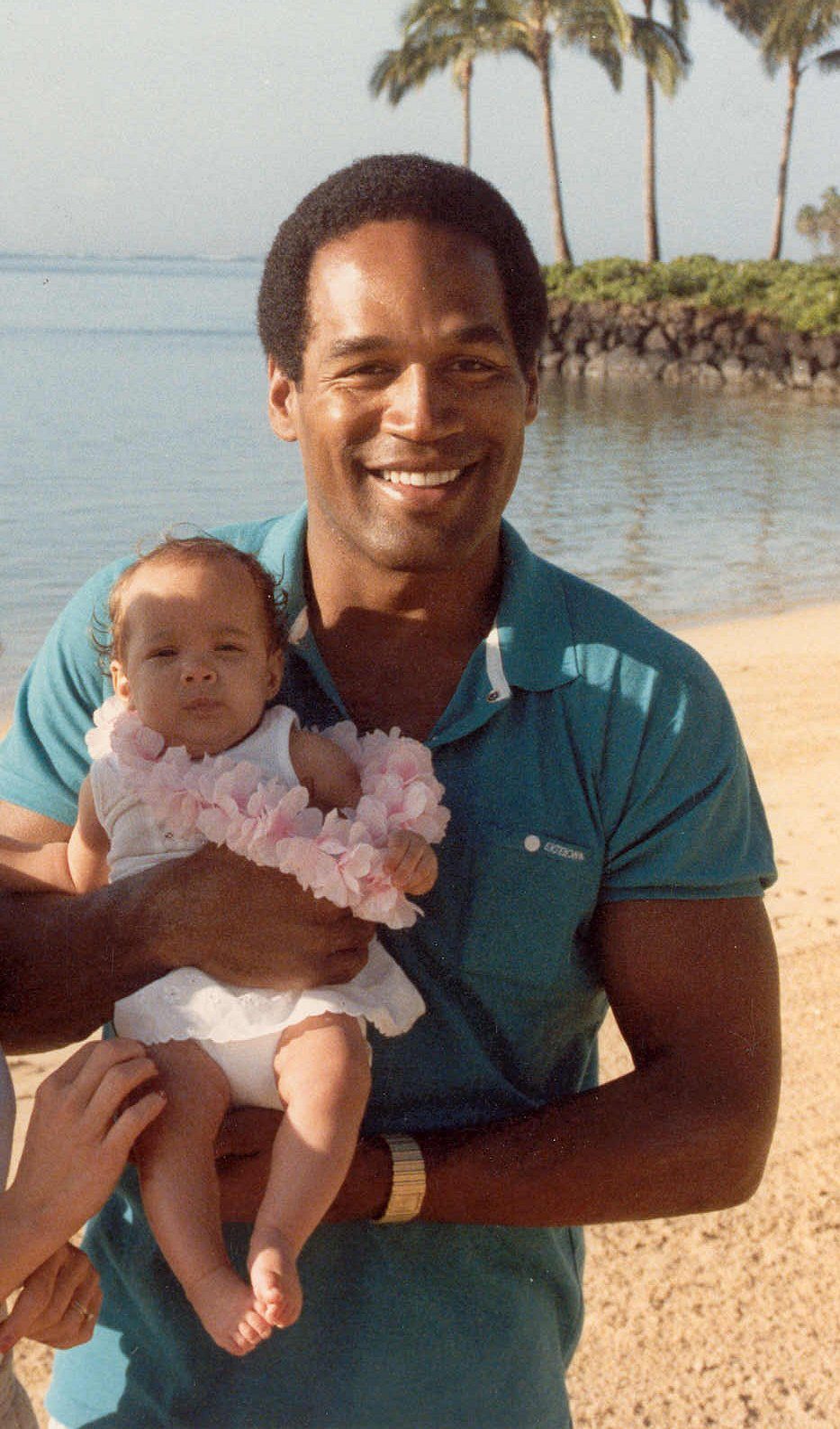
Brief Introduction of O.J. Simpson
Orenthal James “O.J.” Simpson was an iconic American football running back, actor, and broadcaster whose life took a dramatic and controversial turn following his retirement from sports. Celebrated for his record-breaking collegiate and professional football career, particularly with the Buffalo Bills, Simpson transitioned seamlessly into entertainment and became a popular figure known for his charismatic personality and numerous endorsement deals, including with Hertz. However, his immense fame became inextricably linked with the highly publicized 1994 murders of his ex-wife, Nicole Brown Simpson, and her friend, Ronald Goldman, and his subsequent criminal trial and civil liability. Simpson passed away on April 10, 2024, at the age of 76, after a battle with prostate cancer.

O.J. Simpson Overview
| Category | Details |
|---|---|
| Full Name | Orenthal James Simpson |
| Date of Birth | July 9, 1947 |
| Date of Death | April 10, 2024 |
| Age at Death | 76 years old |
| Cause of Death | Metastatic prostate cancer |
| Birthplace | San Francisco, California, USA |
| Height | 6’1″ (1.85m) |
| Profession | Football Player, Actor, Sportscaster |
| Spouses | Marguerite L. Whitley (m. 1967; div. 1979), Nicole Brown Simpson (m. 1985; div. 1992) |
| Children | Arnelle Simpson, Jason Simpson, Aaren Simpson (deceased), Sydney Brooke Simpson, Justin Ryan Simpson |
| Net Worth at Death | Estimated $3 million (as of 2024) |
| Nicknames | O.J., The Juice |
Early Life and Education of O.J. Simpson
Orenthal James Simpson was born on July 9, 1947, in San Francisco, California. His aunt is credited with giving him the unique first name, Orenthal, reportedly after a French actor she admired. At the age of two, Simpson developed rickets, a condition that necessitated him wearing leg braces for a period during his early childhood. His parents, Eunice Durden and James Lee Simpson, separated in 1952. He was raised by his mother, alongside a brother and two sisters, in the Potrero Hill district of San Francisco. During his teenage years, at age 13, Simpson joined a street gang called the Persian Warriors and, at one point in 1962, was briefly jailed at the San Francisco Youth Guidance Center.
Simpson attended Galileo High School in San Francisco, where he first played as a tackle before transitioning to fullback, demonstrating early athletic promise in both football and track and field. To meet the academic requirements for university admission, he enrolled at City College of San Francisco from 1965 to 1966. There, he excelled in football as both an offensive and defensive back, earning Junior College All-American honors. His performance secured him an athletic scholarship to the University of Southern California (USC), where he played from 1967 to 1968. During his time at USC, Simpson became a collegiate football sensation, leading the nation in rushing yards in 1967 with 1,451 yards and 11 touchdowns. In his senior year, 1968, he rushed for an impressive 1,709 yards and 22 touchdowns, culminating in him winning the prestigious Heisman Trophy, the Maxwell Award, and the Walter Camp Award. His record-breaking margin of victory for the Heisman Trophy stood for 51 years. He was also a member of USC’s sprint relay team that set a world record in June 1967. USC later retired his number 32 jersey.
O.J. Simpson’s Career
Football Career
O.J. Simpson’s professional football career began when he was selected as the first overall pick by the Buffalo Bills in the 1969 NFL/AFL draft, a move that made him one of the most anticipated rookies in league history. Although his initial years were not immediately spectacular, his full potential was unleashed under head coach Lou Saban starting in 1972.
During his nine seasons with the Buffalo Bills (1969-1977), Simpson became one of the NFL’s most dominant running backs. He earned five consecutive Pro Bowl selections and first-team All-Pro honors from 1972 to 1976. Simpson led the league in rushing yards four times (1972, 1973, 1975, and 1976) and in rushing touchdowns twice. His most celebrated season was 1973 when he made history by becoming the first NFL player to rush for over 2,000 yards in a single season, achieving 2,003 yards in a 14-game schedule, a record for that season length that still stands. This remarkable achievement earned him the NFL Most Valuable Player (MVP) Award and the Bert Bell Award. He also holds the record for the highest single-season yards-per-game average at 143.1. In 1975, Simpson further demonstrated his versatility by achieving a career-high 2,243 yards from scrimmage and scoring a then-single-season record of 23 total touchdowns (16 rushing, seven receiving).
After nine seasons with the Bills, Simpson was traded to the San Francisco 49ers, where he played for two final seasons from 1978 to 1979 before retiring from professional football. He concluded his NFL career with 11,236 rushing yards, 2,142 receiving yards, and 14,368 all-purpose yards across 135 games. He scored a total of 76 touchdowns (61 rushing, 14 receiving, and one kick return).
Acting and Broadcasting Career
Even before his retirement from football, O.J. Simpson began to establish himself in the entertainment world, leveraging his charisma and widespread popularity. He made early appearances in television programs like “Ironside” and “Dragnet” in 1968, and the pilot episode of “Medical Center”. His big-screen debut came in 1974 with “The Klansman” and “The Towering Inferno”. He became widely recognized as the spokesperson for Hertz car rental company, starring in a series of popular television advertisements that began in 1975 and featured his signature broken-field running style in a business suit.
Following his retirement from the NFL in 1979, Simpson fully transitioned into broadcasting and acting. He worked as a sportscaster for ABC’s “Monday Night Football” from 1983 to 1985 and was a staple of “The NFL on NBC” for years. He also served as a commentator for ABC’s “Wide World of Sports.” In his acting career, Simpson was cast in various films, including “The Cassandra Crossing” (1976) and “Capricorn One” (1977). He notably appeared in the popular “Naked Gun” comedy film franchise, playing Detective Nordberg in three installments starting in 1988, which further cemented his celebrity status. His filmography also includes TV movies like “Goldie and the Boxer” (1979) and roles in TV series such as “1st & Ten.”
O.J. Simpson Personal Life & Family
O.J. Simpson was married twice and was a father to five children, four of whom are living. His first marriage was to Marguerite L. Whitley on June 24, 1967. They had three children together: a daughter, Arnelle (born 1968), and two sons, Jason (born 1970) and Aaren (born 1977). Tragically, Aaren died just shy of her second birthday in 1979 after drowning in the family’s swimming pool. Simpson and Whitley divorced in 1979.
While still married to Whitley, Simpson met Nicole Brown, an 18-year-old waiter, and they began a relationship despite their nearly 12-year age difference. Simpson and Brown married in February 1985, and she took the name Nicole Brown Simpson. They had two children: a daughter, Sydney Brooke (born 1985), and a son, Justin Ryan (born 1988). Their marriage was tumultuous and marked by instances of domestic violence. Police were called to their home multiple times, including a notable incident on New Year’s Eve in 1989 where Nicole was left with visible injuries. Simpson pleaded no contest to spousal battery in that case. Nicole filed for divorce, which was finalized in 1992.
Following his acquittal in the criminal murder trial, Simpson moved to Florida and later resided in Las Vegas, Nevada. His relationships with his surviving children varied, but his family confirmed that he was surrounded by his children and grandchildren at the time of his death. Arnelle Simpson was a witness in his 1995 murder trial and remained supportive, though reports indicated strains in their relationship over financial matters during his incarceration. Sydney and Justin, his children with Nicole, largely prefer to live private lives out of the public spotlight.
Awards and Achievements of O.J. Simpson
O.J. Simpson’s career was marked by numerous prestigious awards and record-breaking achievements, particularly in football:
- Heisman Trophy (1968): Awarded to the most outstanding player in college football.
- Maxwell Award (1968): Recognized as the collegiate player of the year.
- Walter Camp Award (1967, 1968): Awarded to the outstanding player in college football.
- Unanimous All-American (1967, 1968): Acknowledged as one of the best college players in the nation.
- NFL Most Valuable Player (MVP) (1973): For his historic 2,000-yard rushing season. He was also named NFL Player of the Year in 1972, 1973, and 1975.
- First Player to Rush Over 2,000 Yards in a Season (1973): Achieved 2,003 yards in a 14-game season, a unique NFL record.
- NFL Rushing Titles (1972, 1973, 1975, 1976): Led the league in rushing yards multiple times.
- Pro Bowl Selections (6 times): Selected to play in the NFL’s all-star game (1969, 1972-76).
- First-Team All-Pro Selections (5 times): Honored as one of the best players at his position (1972-76).
- NFL All-Decade Team of the 1970s: Recognized as one of the top players of his era.
- NFL 75th Anniversary All-Time Team & NFL 100 All-Time Team: Honored among the greatest players in league history.
- College Football Hall of Fame (inducted 1983): Recognized for his collegiate achievements.
- Pro Football Hall of Fame (inducted 1985): Honored in his first year of eligibility for his professional career.
O.J. Simpson Net Worth and Income
At the time of his death in April 2024, O.J. Simpson’s net worth was estimated to be approximately $3 million. This figure is significantly lower than his peak wealth during his football and early entertainment career, which was reported to be around $10.8 million in 1992 (equivalent to about $18 million today).
Simpson’s net worth was substantially impacted by the legal expenses incurred during his criminal defense and, more significantly, the civil judgment against him. In the civil trial following his acquittal in the criminal case, he was found liable for the wrongful deaths of Nicole Brown Simpson and Ronald Goldman and was ordered to pay the families $33.5 million in compensatory and punitive damages in 1997. By the time of his death, reports indicated he still owed more than $100 million to the families due to accumulated interest.
Despite the substantial civil judgment, Simpson maintained a “constant source of income” primarily through pensions, which were legally protected from creditors in several states, including Florida, where he resided for a period. His income sources included a pension from the Screen Actors Guild and an NFL pension from his football career, which was reportedly worth nearly $5 million and provided between $125,000 and $300,000 annually. He also received social security payments of around $42,000 per year.
Legacy and Influence
O.J. Simpson’s legacy is complex and deeply polarizing, traversing the realms of sports, entertainment, and the American legal and cultural landscape. In football, his impact is undeniable; he is widely regarded as one of the greatest running backs in NFL history. His record-breaking achievements, including being the first to rush for over 2,000 yards in a 14-game season, cemented his place in the Pro Football Hall of Fame.

Beyond the field, Simpson was a trailblazer in transitioning from an athlete to a mainstream celebrity. His acting roles, broadcasting career as an NFL analyst for NBC and ABC, and numerous endorsement deals, most notably with Hertz, made him a household name and one of the first Black athletes to achieve such widespread crossover success in Hollywood. He shaped the broadcasting and reporting industry, setting a precedent for athletes moving into sports commentary.
However, his celebrated public image was irrevocably altered and largely overshadowed by the 1994 murders of Nicole Brown Simpson and Ronald Goldman and the subsequent “Trial of the Century.” The criminal trial, with its sensational aspects like the white Ford Bronco chase and the intense media coverage, became a pivotal moment in legal history. It introduced DNA evidence to a wide public audience and was one of the first trials to be extensively televised, transforming legal proceedings into a form of public spectacle. The trial, and Simpson’s controversial acquittal, exposed deep-seated divisions in America regarding race, policing, and justice, continuing to fuel discussions about the different realities for white and Black Americans.
Culturally, the O.J. Simpson saga blurred the lines between news and entertainment, contributing to the rise of the true-crime genre and foreshadowing the dynamics of social media and the public’s obsession with antiheroes. His story continues to be analyzed in documentaries and series, reflecting society’s ongoing fascination with crime and controversy.
Interesting Facts about O.J. Simpson
- Nickname “The Juice”: Simpson earned the nickname “Juice” as a play on his initials, “O.J.”, an abbreviation for orange juice.
- Heisman Record: For 51 years, he held the record for the largest margin of victory in the Heisman Trophy voting.
- World Record Relay Team: While at USC, he was part of a world-record-setting 440-yard relay team.
- Hertz Spokesperson: He was famously known for his commercials for Hertz car rental, which featured him running through airports in a business suit.
- ”Trial of the Century” Audience: The low-speed white Bronco chase in June 1994, preceding his arrest, was watched by an estimated 95 million television viewers, with many TV stations interrupting regular programming to broadcast it live. His acquittal in 1995 was watched by 100 million people in the U.S. alone.
- Philosophy on Responsibility: Simpson was quoted as saying, “The day you take complete responsibility for yourself, the day you stop making any excuses, that’s the day you start to the top.”
- Views on Justice: He famously stated, “In America you get as much justice as you can afford.”
- Post-Acquittal Book: Simpson released a controversial book titled “If I Did It: Confessions of the Killer” in 2007, which hypothetically described how he would have committed the murders.
- Post-Prison Golf: After his release from prison, Simpson frequently posted videos on social media, often from a golf course, discussing sports and politics. In his final social media video, weeks before his death, he expressed being “just about over” his health issues and looking forward to getting back on the golf course.
Controversies
O.J. Simpson’s life was marred by significant controversies that largely overshadowed his athletic achievements.
Domestic Violence
Before the murders, Simpson had a documented history of domestic violence within his marriage to Nicole Brown Simpson. Police were called to their home multiple times for domestic disturbances. A prominent incident occurred on New Year’s Eve in 1989, which left Nicole with a split lip, bruises, and a black eye, and she reported that Simpson had threatened to kill her. Simpson pleaded no contest to spousal battery, receiving community service, a fine, and probation.
The 1994 Murders and Criminal Trial
On June 12, 1994, Nicole Brown Simpson and her friend Ronald Goldman were found stabbed to death outside Nicole’s Brentwood, California condo. Simpson quickly became the prime suspect. Days later, on June 17, 1994, after failing to surrender to police, he became the subject of a nationally televised low-speed chase in a white Ford Bronco, captivating millions of viewers across the globe.
The subsequent criminal trial, dubbed “The Trial of the Century,” lasted 11 months and received unprecedented media attention. The prosecution presented a substantial amount of circumstantial and forensic evidence, including DNA evidence. However, on October 3, 1995, after a highly contentious trial that brought issues of race, celebrity, and the justice system to the forefront of American discourse, O.J. Simpson was famously acquitted of both murder charges.
Civil Trial and Liability
Despite his acquittal in the criminal trial, O.J. Simpson faced a civil lawsuit filed by the families of Nicole Brown Simpson and Ronald Goldman. In 1997, a civil jury found Simpson liable for the wrongful death of Ronald Goldman and battery against Nicole Brown Simpson. He was ordered to pay $33.5 million in damages to the families. Due to accrued interest, the amount owed had reportedly grown to over $100 million by the time of his death, with the Goldman family actively pursuing collection until his passing.
Las Vegas Robbery and Kidnapping
In 2007, Simpson was involved in another high-profile legal case when he and a group of men stole sports memorabilia at gunpoint from a Las Vegas hotel and casino. He claimed he was merely retrieving his own stolen property. In 2008, Simpson was convicted of armed robbery and kidnapping and sentenced to 33 years in prison with a minimum of nine years. He was granted parole on July 20, 2017, and released in October 2017, having served nearly nine years.
Social Media Presence
After his release from prison, O.J. Simpson became active on social media platforms, particularly X (formerly Twitter). He used his accounts to offer commentary on sports, current events, and occasionally, aspects of his own life. His online presence often sparked polarized reactions among his followers and the wider public.
In his final social media posts and videos, released weeks before his death in February 2024, Simpson addressed his health, stating he was “good” and “just about over” some issues, expressing hope to return to the golf course. He also shared his support for the San Francisco 49ers in the run-up to Super Bowl LVIII. His family announced his death via his official X account on April 11, 2024.
Final Words about O.J. Simpson
Orenthal James Simpson, who passed away on April 10, 2024, at the age of 76 due to metastatic prostate cancer, leaves behind a profoundly complicated and indelible legacy. His life spanned immense athletic glory, mainstream celebrity, and then a dramatic fall from grace marked by legal battles that captivated the world. As a football player, “The Juice” was an undisputed legend, breaking records and earning a place in the Pro Football Hall of Fame.
His post-football career as an actor, sportscaster, and advertising icon demonstrated a charisma that transcended sports, influencing how athletes could transition into broader entertainment. However, it is the “Trial of the Century” for the murders of Nicole Brown Simpson and Ronald Goldman, and his subsequent civil liability, that continues to define his public perception. The case sparked crucial national conversations on race, justice, domestic violence, and the media’s role in high-profile events. Simpson’s later conviction for armed robbery further added to his controversial persona.
His death brought renewed attention to his entire life story, from his humble beginnings in San Francisco to his final years in Las Vegas. While his athletic achievements are celebrated in sports halls of fame, his legacy remains intertwined with the deep societal divisions and unresolved questions spawned by his legal controversies. His family’s announcement of his passing, requesting privacy and grace, marked the end of a life that was constantly in the public eye, leaving behind a legacy that continues to be debated and discussed across America and beyond.