
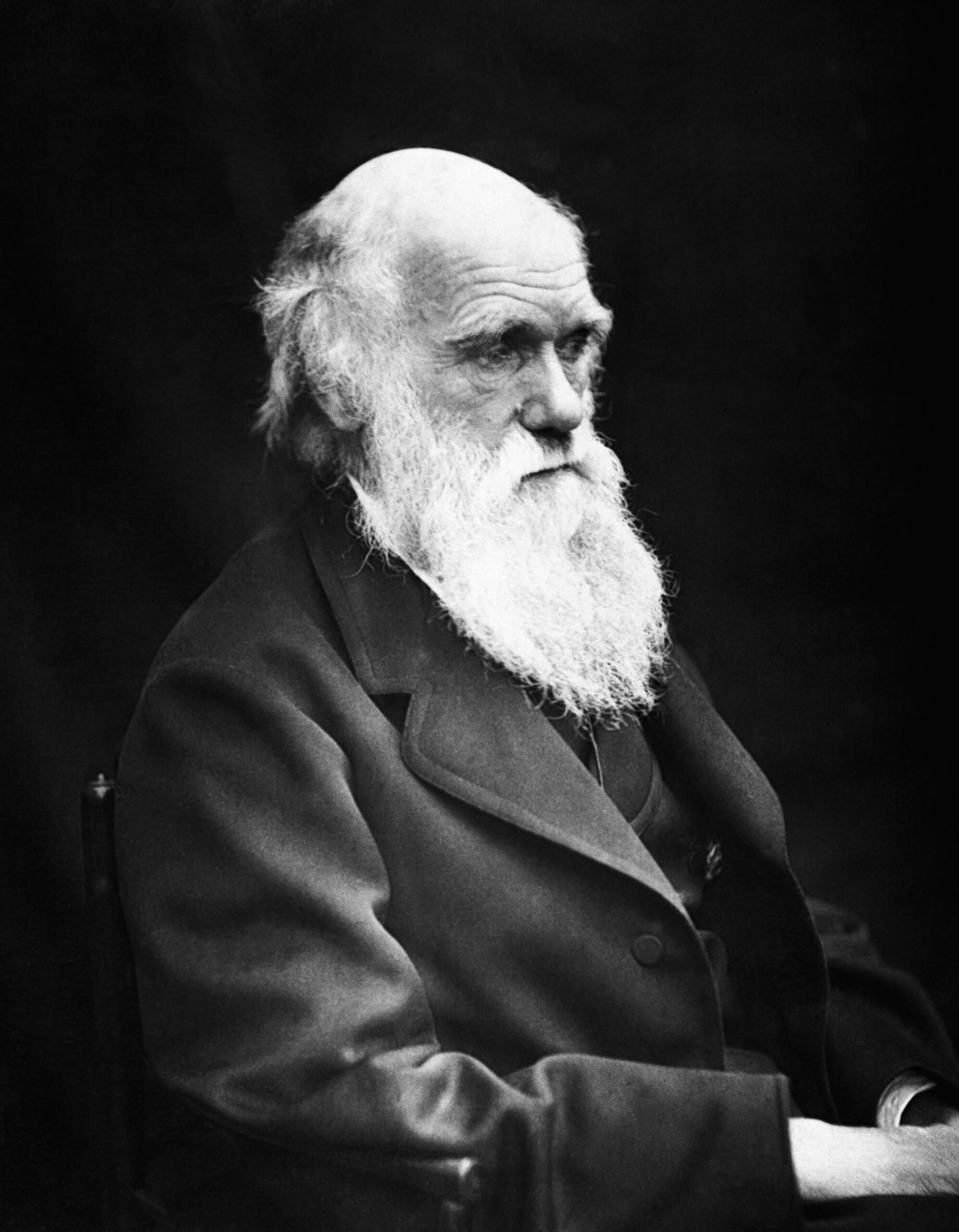
Brief Introduction of Charles White
Charles Wilbert White (1918–1979) was a seminal American artist celebrated for his powerful and moving depictions of African American life and history. As a painter, draftsman, printmaker, and muralist, he dedicated his four-decade career to creating what he called “images of dignity,” which chronicled the struggles, triumphs, humanity, and beauty of his community. Working primarily in a style of social realism, White’s meticulously crafted drawings, paintings, and lithographs stood in contrast to the prevailing trend of abstraction, cementing his role as a master of figurative art. He was not only a prolific artist but also a dedicated and influential teacher, mentoring a generation of prominent artists, including Kerry James Marshall and David Hammons. White’s unwavering commitment to using art as a tool for social commentary and change has secured his place as one of the most important artists of the 20th century.
Charles White Overview
| Full Name | Charles Wilbert White |
| Date of Birth | April 2, 1918 |
| Age(as of 2025) | Would have been 107 years old (Died October 3, 1979) |
| Birthplace | Chicago, Illinois, US |
| Profession | Artist (Painter, Draftsman, Printmaker, Muralist), Educator |
| Husband/Wife | Elizabeth Catlett (m. 1941-1946; divorced), Frances Barrett (m. 1950-1979; his death) |
| Family | Mother – Ethelene Gary, Father – Charles White Sr. Children (adopted with Frances Barrett) – Jessica and Ian White. |
| Relationship/Affairs(GF/BF) | Information not disclosed. |
| Net Worth | Not publicly available. The value of his artwork has significantly increased, with individual pieces selling for over $1 million at auction. |
Early Life and Education of Charles White
Charles Wilbert White was born on April 2, 1918, on the South Side of Chicago, Illinois. His parents were Ethelene Gary, a domestic worker, and Charles White Sr., a railroad and construction worker. Following his father’s death in 1926, his mother remarried an abusive alcoholic steel mill worker, creating a tumultuous home environment from which young Charles sought refuge in art. To keep him occupied while she worked, his mother would often leave him at the Chicago Public Library, where he developed a deep love for reading and art. She nurtured his burgeoning talent by buying him a set of oil paints when he was just seven years old. White’s artistic education was also shaped by frequent visits to the Art Institute of Chicago, where he admired the works of artists like Winslow Homer and George Inness. As a seventh-grader, he won a grant for Saturday art classes at the institute. A pivotal moment in his youth was reading Alain Locke’s “The New Negro: An Interpretation,” which instilled in him a profound sense of pride in his African American heritage and history. This newfound consciousness led him to challenge the Eurocentric curriculum at his school, earning him the label of a “problematic child.” Despite facing racial discrimination—twice having scholarships to art schools rescinded after officials learned he was Black—White’s talent was undeniable. He ultimately received a full scholarship and attended the School of the Art Institute of Chicago from 1937 to 1938, completing the two-year program in just one year. To support himself, he worked as a cook and later as an art teacher.
Charles White’s Career
Charles White’s professional career began in earnest in 1938 when he was hired by the Illinois Art Project, a part of the Works Progress Administration (WPA). Initially working in the easel division, he soon transferred to the mural department, a medium that would become central to his vision of creating public, socially conscious art. His first major mural, “Five Great American Negroes” (1939), was created under the WPA and depicted Sojourner Truth, Booker T. Washington, Frederick Douglass, George Washington Carver, and Marian Anderson. This work established his commitment to celebrating Black historical figures. An important figure in the Chicago Black Renaissance, White taught at the Southside Community Art Center. In 1941, he moved to New Orleans to teach at Dillard University with his first wife, artist Elizabeth Catlett. Their experiences with the harsh realities of the Jim Crow South deeply affected him. A Julius Rosenwald Foundation fellowship in 1942 enabled White and Catlett to move to New York City. There, he studied printmaking techniques at the Art Students League under Harry Sternberg, who encouraged him to develop a more individualized and less stylized approach to his figures. This fellowship also supported the creation of one of his most famous works, the mural “The Contribution of the Negro to American Democracy” (1943), at what is now Hampton University. White’s career was briefly interrupted by service in the U.S. Army during World War II, but he was honorably discharged after contracting tuberculosis, an illness that would affect him for the rest of his life. In 1946, another fellowship allowed him and Catlett to travel to Mexico City, where they associated with the Taller de Gráfica Popular, a collective of printmakers dedicated to revolutionary social causes. This experience, and his interactions with muralists like Diego Rivera and David Alfaro Siqueiros, further honed his skills and political convictions. In 1956, seeking a better climate for his respiratory health, White moved to Los Angeles with his second wife, Frances Barrett. He quickly became a central figure in the city’s artistic community. From 1965 until his death in 1979, he was a revered instructor at the Otis Art Institute. There, he mentored a new generation of artists, including David Hammons, Kerry James Marshall, and Richard Wyatt Jr., profoundly shaping the future of American art. Throughout his career, his work was widely exhibited in prestigious institutions such as the Whitney Museum of American Art, the Museum of Modern Art, and the Art Institute of Chicago.
Charles White Personal Life & Family
Charles White’s personal life was deeply intertwined with his artistic and political commitments. He was born to Ethelene Gary and Charles White Sr. His mother was a significant influence, encouraging his artistic pursuits from a very young age. In 1941, he married the prominent sculptor and printmaker Elizabeth Catlett. They were creative and intellectual partners, sharing teaching positions and traveling together, including their formative time in Mexico. However, their marriage ended in divorce in 1946. In 1950, White married Frances Barrett, a white social worker. Their interracial marriage was a courageous act at a time when it was still illegal in many parts of the country. They remained together until his death in 1979. The couple settled in Altadena, California, and adopted two children, Jessica and Ian White. White was known to be a dedicated family man. His friendships spanned the artistic and intellectual world, including photographer Gordon Parks, artist Jacob Lawrence, and activist-entertainer Harry Belafonte. His life was marked by a persistent struggle with tuberculosis, which necessitated his move to the milder climate of Los Angeles in 1956. Despite his health challenges, he maintained a prolific artistic practice and a deep commitment to teaching and activism. White passed away from congestive heart failure on October 3, 1979, in Los Angeles, California, at the age of 61.
Awards and Achievements of Charles White
- Julius Rosenwald Foundation Fellowship (1942)
- Academy Institute Award in Art from the American Academy and Institute of Arts and Letters (1952)
- Elected as a full member of the National Academy of Design (1972)
- Recipient of numerous other awards and honors throughout his lifetime
- Posthumously honored with a major retrospective exhibition organized by the Art Institute of Chicago and the Museum of Modern Art (2018)
- The Charles White Art and Design Scholarship was established at Otis College of Art and Design to support students from underrepresented groups (2021)
Charles White Net Worth and Income
The specific net worth of Charles White at the time of his death in 1979 is not publicly available. As an artist and educator, his income would have been derived from the sale of his artworks, teaching salaries, and fellowship grants. In his lifetime, he was a successful and recognized artist with gallery representation. However, in the decades following his death, the art market has seen a significant recalibration and growing appreciation for the work of major African American artists. Consequently, the value of Charles White’s art has soared. Initially, his work sold for more modest sums, but by the late 2010s, his pieces began to command high prices at major auctions. In 2019, his works broke the $1 million mark at auction, with the charcoal drawing “Ye Shall Inherit the Earth” (1953) selling for nearly $1.8 million. This dramatic increase reflects his immense art-historical importance and the growing demand for his powerful and masterfully executed works. The Charles White biography and Charles White wiki pages often highlight the rising value of his contributions to art.
Legacy and Influence
Charles White’s legacy is monumental, resting on his powerful body of work and his profound influence as an educator. He firmly believed that “Art must be an integral part of the struggle,” a principle that guided his entire career. By focusing on representational art that depicted the dignity and history of African Americans, he challenged the dominant narratives and aesthetics of his time. His work provided a powerful visual language for the Civil Rights movement and continues to resonate in contemporary dialogues about race, history, and social justice. Perhaps his most enduring legacy lies in his role as a teacher at the Otis Art Institute from 1965 to 1979. He was a mentor and a role model for countless students, particularly young Black artists who had few figures to look up to in the art world. He taught not just technique, but a philosophy of how to be an artist with a social conscience. Prominent contemporary artists like Kerry James Marshall, David Hammons, Richard Wyatt Jr., and Alonzo Davis were among his students and have frequently cited his immense impact on their own development. As Marshall stated, “Under Charles White’s influence I always knew that I wanted to make work that was about something: history, culture, politics, social issues.” Today, White’s work is held in the permanent collections of major museums worldwide, including The Metropolitan Museum of Art, the National Gallery of Art, and the Los Angeles County Museum of Art, ensuring his powerful vision remains accessible to future generations.

Interesting Facts about Charles White
- As a child, his mother bought him his first set of oil paints for seven dollars.
- To pay for art supplies in school, he worked as a cook, using recipes his mother taught him.
- He was a talented draftsman who completed five drawing courses at the School of the Art Institute of Chicago, receiving a final “A” grade.
- During World War II, he served in an all-Black engineering regiment before being discharged due to tuberculosis.
- He believed in making art accessible to all people and produced many prints and lithographs so that anyone could afford to hang his work in their homes.
- He was friends with many prominent figures, including singer Harry Belafonte, for whom he illustrated a record cover.
- An elementary school in Los Angeles, located on the former Otis College campus where he taught, is named in his honor.
Controversies
Charles White’s career was more defined by activism than by personal scandal, but he did face scrutiny for his political beliefs. His commitment to social justice and his affiliations during the McCarthy era attracted the attention of the FBI, which resulted in him being issued a subpoena. He was a strong advocate for social change and used his art as a “weapon” against resentment and injustice. More recently, his work became the subject of a legal dispute. In 2020, Howard University filed a lawsuit for the return of a drawing, “Centralia Madonna,” which had vanished from the university in the 1970s and resurfaced for sale at a Sotheby’s auction. The university successfully argued it was the rightful owner of the piece. This case highlighted the increasing value and importance of White’s work in the art market.
Social Media Presence
- Instagram – Not applicable
- Twitter – Not applicable
- YouTube – Not applicable
Charles White passed away in 1979, long before the advent of social media. His legacy is maintained by The Charles White Archives, museums, galleries, and educational institutions.
Final Words about Charles White
Charles White remains a towering figure in American art, a master draftsman and a powerful visual storyteller whose work continues to inspire and provoke. His career was a testament to the belief that art could be both beautiful and a potent force for social change. He navigated a world fraught with racial injustice, using his immense talent not to escape reality but to confront it, to document it, and to envision a more equitable future. The Charles White biography is one of resilience, conviction, and profound artistic integrity. While he was well-known during his lifetime, his stature has only grown posthumously, with major exhibitions and soaring auction records confirming his place in the canon of art history. More than just an artist, he was a mentor who opened doors for generations of artists of color, ensuring that his influence would extend far beyond his own lifetime. His “images of dignity” are timeless, continuing to speak to the struggles and aspirations for freedom and humanity that are universally understood. His legacy is not just in the works that hang on museum walls, but in the countless artists he inspired and the enduring power of his socially committed vision.