
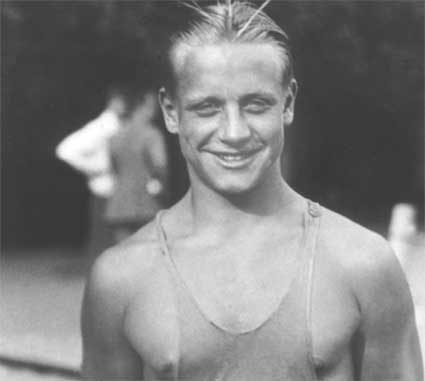
Brief Introduction of Bjorn Borg
Björn Borg, born on June 6, 1956, in Stockholm, Sweden, is a retired Swedish professional tennis player widely regarded as one of the greatest athletes in the sport’s history. Known for his powerful baseline game, exceptional athleticism, and distinctive two-handed backhand, Borg revolutionized tennis with his unique playing style and unwavering mental fortitude. He achieved unprecedented success in a relatively short career, becoming the first man in the Open Era to win 11 Grand Slam singles titles, including a record six French Open titles and five consecutive Wimbledon championships between 1974 and 1981. His calm and composed demeanor on court earned him the nickname “Ice Man” or “Ice-Borg,” a stark contrast to the fiery personalities of his rivals, most notably John McEnroe.
Bjorn Borg Overview
| Attribute | Detail |
|---|---|
| Full Name | Björn Rune Borg |
| Date of Birth | June 6, 1956 |
| Age (as of September 2025) | 69 years old |
| Birthplace | Stockholm, Sweden |
| Nationality | Swedish |
| Height | 1.80 m (5 ft 11 in) |
| Profession | Former Professional Tennis Player, Businessman |
| Playing Style | Right-handed (two-handed backhand) |
| Turned Pro | 1973 (amateur tour from 1971) |
| Retired | 1983 (brief comeback 1991-1993) |
| Wife | Patricia Östfeldt (m. 2002) |
| Children | Robin Borg (b. 1985), Leo Borg (b. 2003) |
| Parents | Rune Borg (father, 1932–2008), Margaretha Borg (mother, b. 1934) |
| Net Worth (approx. as of 2024) | While specific 2025 figures are not available, sources from 2024 often estimate his net worth to be around $40-50 million USD, largely due to his successful fashion brand and endorsements. |
| Coaches | Lennart Bergelin (1971–1983), Ron Thatcher (1991–1993) |
Early Life and Education of Bjorn Borg
Björn Rune Borg was born on June 6, 1956, in Stockholm, Sweden, as the only child of Rune and Margaretha Borg. His father, Rune, was an electrician. He spent his childhood in Södertälje, a town near Stockholm. Borg’s journey into tennis began at an early age, sparked by a golden tennis racket his father won at a table-tennis tournament when Björn was about eight or nine years old. This racket became his prized possession, initiating his lifelong passion for the sport. He “loved the game from the beginning” and would spend hours practicing by hitting balls against a garage door.
Borg showed exceptional talent and dedication from a young age, and by the time he was 13, he was already capable of beating Sweden’s top junior players. His parents did not push him into competitive tennis; it was entirely his own decision. Around 1971, at the age of 15, Borg connected with Lennart Bergelin, who would become his longtime coach and mentor. Bergelin, a former Swedish tennis legend, played a crucial role in Borg’s development into a superstar. Borg’s early training included taking a train to Stockholm every afternoon after school to practice tennis for three hours, in addition to playing ice hockey. This rigorous schedule contributed to his remarkable athleticism and endurance.
Bjorn Borg’s Career
Björn Borg’s professional tennis career was meteoric, spanning from 1973 to an unexpected early retirement in 1983, with a brief comeback attempt in the early 1990s. He joined the professional circuit at a remarkably young age, sometimes cited as 14, and made his Davis Cup debut for Sweden at just 15 in 1972, winning his first singles rubber in five sets. That same year, he won the Wimbledon junior singles title and the Orange Bowl Junior Championship for boys 18 and under, defeating Vitas Gerulaitis in the final.
Breakthrough and Dominance (1974-1981)
Borg quickly established himself as a dominant force. In 1974, just before his 18th birthday, he won his first professional top-class title at the Italian Open, becoming its youngest winner. Weeks later, he claimed his first Grand Slam title at the French Open, making him the youngest male champion in its history at the time. He defended his French Open title in 1975.
His dominance extended to Wimbledon, a surface traditionally challenging for baseline players. Borg won his first Wimbledon title in 1976, defeating Ilie Năstase in straight sets, and remarkably, without dropping a single set throughout the tournament. This made him the youngest male Wimbledon singles champion since 1931. His unparalleled success continued, leading him to win five consecutive Wimbledon titles from 1976 to 1980. He also achieved four consecutive French Open titles from 1978 to 1981, often without losing a set. Borg completed the rare “Channel Slam” (winning both the French Open and Wimbledon in the same year) three times consecutively from 1978 to 1980, a feat considered “the most difficult double in tennis”.
Borg was ranked as the world No. 1 in men’s singles by the ATP for 109 weeks across six stretches between 1977 and 1981. He secured a total of 66 singles titles during his career, including 11 Grand Slam singles titles (six French Open, five Wimbledon). He also won three year-end championships and 16 Grand Prix Super Series titles. In 1979, he became the first player to earn over US$1 million in prize money in a single season.
His career was highlighted by intense rivalries, most notably with Jimmy Connors and John McEnroe. The 1980 Wimbledon final against McEnroe, a five-set marathon with a memorable 34-point tie-breaker, is widely considered one of the greatest matches in tennis history. Despite his incredible success, Borg never won the US Open, reaching the final four times (1976, 1978, 1980, 1981) but falling short. He also only participated in the Australian Open once, in 1974.
Retirement and Comeback
At the astonishingly young age of 26 (some sources say 25 or 26), Borg abruptly announced his retirement from professional tennis in January 1983, a decision that shocked the sporting world. The immense pressure of being the world’s top player and the constant demands on his private life were cited as factors for his loss of motivation.
He attempted a brief and unsuccessful comeback between 1991 and 1993, but his best years were behind him, and he failed to win a single match during this period. He later found greater success on the seniors’ tour.
Bjorn Borg Personal Life & Family
Björn Borg’s personal life has been in the public eye, particularly during his playing career and in its immediate aftermath. He has been married three times. His first marriage was to Romanian tennis professional Mariana Simionescu. Their relationship began in 1976, and they married in Bucharest on July 24, 1980. The couple primarily resided in Monte Carlo, Monaco. However, their marriage ended in divorce in 1984.
Following his divorce from Simionescu, Borg fathered a son named Robin in 1985 with Swedish model Jannike Björling. This relationship, however, also eventually ended.
Borg’s second marriage was to Italian singer Loredana Bertè, from 1989 to 1993. Their relationship was highly publicized, especially in Italy, and they divided their time between Monaco and Italy. The marriage concluded in divorce in 1993.
On June 8, 2002, Borg married his third wife, Patricia Östfeldt. Since their marriage, the couple has primarily resided in Sweden, where Borg has embraced a quieter, more private life. Together, they have a son named Leo, born in 2003, who is also following in his father’s footsteps as a professional tennis player. Leo Borg even portrayed his father as a youngster in the 2017 biographical film “Borg vs McEnroe”.
In his earlier post-retirement years, Borg narrowly avoided personal bankruptcy when some of his business ventures faced difficulties. He later sold his mansion, Astaholm, in the Stockholm archipelago in 2019 and moved to an apartment in Norrmalm, central Stockholm.
Awards and Achievements of Bjorn Borg
Björn Borg’s career, though brief, was packed with an extraordinary number of awards and achievements, solidifying his place as one of tennis’s all-time greats.
Grand Slam Titles (11):
French Open Singles Champion: 1974, 1975, 1978, 1979, 1980, 1981 (6 titles)
Wimbledon Singles Champion: 1976, 1977, 1978, 1979, 1980 (5 consecutive titles)
ATP Rankings & Awards:
World No. 1 (ATP): Total of 109 weeks
ATP Player of the Year: 1976, 1977, 1978, 1979, 1980 (5 times)
Year-End No. 1 (ATP): 1979, 1980
ITF World Champion: 1978, 1979, 1980 (3 consecutive years)
Career Titles: 66 singles titles and 4 doubles titles
Davis Cup: Helped Sweden win its first Davis Cup in 1975
Holds the record for 33 consecutive Davis Cup singles wins
Other Notable Records and Distinctions:
First man in the Open Era to win 11 Grand Slam singles titles.
Only male player to achieve the “Channel Slam” (French Open and Wimbledon in the same year) three times consecutively (1978-1980).
Won Wimbledon in 1976 without losing a set, a rare feat.
Won three major titles without losing a set during those tournaments (1976 Wimbledon, 1978 French, 1980 French).
Highest career match winning percentage in Grand Slams (89.8%).
Highest winning percentage at Wimbledon (92.7% based on a 51-4 record from 1973-1981).
Record of 41 consecutive match winning streak at Wimbledon (1976-1981).
Record of 49-2 (96%) winning streak at the French Open, second only to Rafael Nadal.
First player to earn more than US$1 million in prize money in a single season (1979).
Hall of Fame Induction: International Tennis Hall of Fame (1987)
Other Awards:
BBC Sports Personality of the Year Overseas Personality Award (1979)
BBC Lifetime Achievement Award (2006)
Captain of the victorious Team Europe in the 2017 Laver Cup
Bjorn Borg Net Worth and Income
As of 2025, while precise real-time figures for Björn Borg’s net worth are dynamic and not publicly declared, estimates in recent years (such as 2024) frequently place his net worth in the range of approximately $40-50 million USD. His income sources have diversified significantly since his playing days.
During his active career, Borg was a pioneering figure in tennis prize money, becoming the first player to earn over US$1 million in a single season in 1979. His dominance on the court, coupled with his global appeal, made him a lucrative endorsement opportunity.
After his retirement from professional tennis, Borg successfully transitioned into the business world. He founded his own sportswear company, “Björn Borg,” in the early 1990s. This fashion label, particularly known for its underwear, has grown to become one of the largest brands in Sweden and holds a significant position in the international market, often cited as second only to Calvin Klein in its niche. This brand represents a substantial source of his current wealth.
Beyond his fashion brand, Borg has maintained endorsement deals, notably with Fila, a brand he first signed with in 1975 and later became a global brand ambassador for in 2018. He also participates in events as a motivational speaker and tennis ambassador, such as his role as captain for Team Europe in the Laver Cup since its inception in 2017. These appearances and associations contribute to his ongoing income.
Legacy and Influence
Björn Borg’s legacy in tennis is profound and far-reaching, fundamentally impacting the sport both on and off the court. He is widely considered one of the greatest tennis players of all time, setting standards for athleticism, mental fortitude, and competitive spirit.
Impact on Playing Style
Borg’s powerful baseline game, characterized by heavy topspin on both his forehand and distinctive two-handed backhand, was revolutionary. He was a pioneer in using the two-handed backhand, a stroke that became a staple of modern tennis. His exceptional strength, endurance, and speed allowed him to dominate on both clay and grass courts, a rare feat at the time. His ability to excel on different surfaces, particularly winning multiple French Open and Wimbledon titles, showcased a versatility that inspired future generations. Many contemporary players, including Rafael Nadal and Novak Djokovic, have cited Borg’s mental approach and physical dedication as key influences.
Revolutionizing Tennis’s Popularity
Borg’s unprecedented stardom and consistent success, especially as a teenage sensation, played a crucial role in propelling the rising popularity of tennis during the 1970s. His calm and collected demeanor, earning him the moniker “Ice Man,” stood in stark contrast to the fiery temperaments of rivals like John McEnroe, creating compelling narratives that captivated audiences worldwide. The “Fire and Ice” rivalry brought a new level of intensity and drama to the game, drawing millions of new fans to the sport.
Enduring Records and Achievements
Despite his relatively short career, Borg set numerous records that still stand or were unsurpassed for decades. These include his five consecutive Wimbledon titles and his record of 33 consecutive Davis Cup singles victories. His career match-winning percentage across all surfaces (83%) and in Grand Slams (89.8%) remains among the highest in history.
Post-Playing Career Influence
Even after his early retirement, Borg’s influence continued. He has returned to the tennis world as a mentor and ambassador for the sport, notably as the captain of Team Europe in the Laver Cup since 2017. His presence at such events provides current players with an opportunity to learn from a legend and helps preserve the history of tennis. His successful fashion brand, “Björn Borg,” also carries his name and extends his public image beyond the tennis court.
Interesting Facts about Bjorn Borg
The Golden Racket: Björn Borg’s tennis career began because his father won a golden tennis racket as a prize in a table-tennis tournament and gave it to him.
”Ice Man” Persona: He earned the nickname “Ice Man” or “Ice-Borg” due to his incredibly calm, focused, and emotionless demeanor on the court, even during the most intense matches. This was a stark contrast to his on-court rival, John McEnroe.
Two-Handed Backhand Pioneer: Borg was a prominent early adopter and master of the two-handed backhand, a stroke he developed partly because his first racket was too heavy for him. He adapted it from the slap shot in hockey.
Early Retirement Shock: His decision to retire from professional tennis at the age of 26 (some sources say 25), while still at the peak of his powers, sent shockwaves through the tennis world. Even his great rival, John McEnroe, tried to persuade him to continue playing.
Wimbledon Dominance on Clay: Borg’s success on grass courts, particularly his five consecutive Wimbledon titles, was remarkable given his primary training on clay courts in Sweden due to weather conditions. This made him one of the few players to dominate both surfaces so comprehensively.
Memorabilia Almost Sold: In 2006, Borg announced he would auction his Wimbledon trophies and two winning rackets for financial security. However, after calls from fellow tennis legends like John McEnroe, Jimmy Connors, and Andre Agassi, he reconsidered and bought them back for an undisclosed amount.
Son Follows Footsteps: His youngest son, Leo Borg, is also a professional tennis player and even portrayed his father as a young man in the 2017 film “Borg vs McEnroe”.
Business Acumen: After facing initial financial difficulties post-retirement, Borg founded a highly successful fashion label under his name, which has become a significant international brand.
Notable Quotes:
“If you’re afraid of losing, then you daren’t win.”
“My greatest point is my persistence. I never give up in a match. However down I am, I fight until the last ball.”
“I wanted to win, even in practice.”
* “It’s tough when you’re No. 1. You don’t have any private life, you can’t even walk anywhere. I think that was one reason why I lost my motivation to play tennis.”
Controversies
Björn Borg’s career was largely free of major on-court controversies, particularly when compared to contemporaries like John McEnroe, largely due to his famously calm and composed demeanor. However, his personal life and post-retirement business ventures did face challenges.
One significant period of difficulty arose after his initial retirement. Borg experienced financial difficulties and personal struggles as he transitioned out of the spotlight. He narrowly avoided personal bankruptcy when some of his business ventures failed. This led to a widely reported incident in March 2006, when Bonhams Auction House in London announced it would auction Borg’s Wimbledon trophies and two of his winning rackets. This decision drew significant attention and concern from the tennis community. Several prominent players, including Jimmy Connors, Andre Agassi, and especially John McEnroe, called Borg to persuade him to reconsider. McEnroe reportedly asked, “What’s up? Have you gone mad?” and “What the hell are you doing?”. These pleas ultimately convinced Borg to buy back his trophies from Bonhams for an undisclosed amount, preserving his iconic memorabilia.
His personal relationships, particularly his high-profile marriages and subsequent divorces, also garnered media attention, though these were more personal challenges than public controversies affecting his sporting reputation. Some reports also mentioned accusations against his second wife, Jannike Björling, of being interested in his money, which she denied.
Despite these personal and financial hurdles, Borg eventually found stability and happiness, returning to the tennis world as a respected mentor and ambassador for the sport.
Social Media Presence
Björn Borg, having risen to prominence in an era before social media, maintains a relatively private online presence compared to contemporary athletes. While he does not appear to actively manage public personal social media accounts with large follower counts (like a verified personal Instagram or Twitter), his name and legacy are widely discussed and celebrated across various platforms.
The official “Björn Borg” fashion brand, however, has a robust and active social media presence on platforms like Instagram and YouTube, promoting its products and maintaining brand visibility. These accounts serve the commercial entity rather than Borg’s personal persona.
Given his stature as a tennis legend and his role as captain for Team Europe in events like the Laver Cup, he frequently appears in content shared by official tennis organizations, tournaments, and media outlets on their social media channels. These appearances showcase his continued involvement in the sport, but a direct personal “follower count” for Bjorn Borg himself is not a primary aspect of his current public engagement.
Final Words about Bjorn Borg
Björn Borg stands as a colossus in the annals of tennis history, a player whose brief but incandescent career left an indelible mark on the sport. His “Ice Man” persona, coupled with a revolutionary playing style, captivated audiences and dramatically propelled tennis into a new era of global popularity. At 69 years old (as of September 2025), Borg’s current status is one of a revered elder statesman of tennis, deeply connected to his family and the legacy he forged.
After navigating personal and financial challenges in his post-retirement life, he has found a comfortable equilibrium, enjoying a more private existence in Sweden with his third wife, Patricia Östfeldt, and their son Leo, who is also pursuing a professional tennis career. His successful fashion brand continues to thrive, showcasing his business acumen beyond the court.
Borg’s future plans include continued involvement in tennis in ambassadorial and mentoring roles, exemplified by his captaincy of Team Europe in the Laver Cup. Furthermore, he announced in March 2024 that he is collaborating with his wife, Patricia, on a new autobiography, promising a fresh account of his life as a tennis phenomenon, celebrity, and father. This upcoming work underscores his willingness to reflect on his extraordinary journey and share his story with new generations. Björn Borg’s legacy is not just defined by the trophies he won, but by the quiet determination, groundbreaking style, and enduring impact he had on the game, inspiring countless players and fans worldwide.
 Team Dailly WikiBio