Brief Introduction of Arturo Rodriguez
Arturo Rodriguez is a renowned American labor union leader who dedicated his life to advocating for the rights of farmworkers in the United States. He is widely recognized for his long and impactful tenure as the second president of the United Farm Workers (UFW), the influential union co-founded by the iconic civil rights activist Cesar Chavez. Rodriguez, who is also Chavez’s son-in-law, stepped into the formidable role of leading the UFW after Chavez’s untimely death in 1993. For a quarter of a century, he spearheaded the union’s efforts, navigating the complexities of the agricultural industry and championing the cause of some of the nation’s most vulnerable laborers. His leadership was marked by a steadfast commitment to nonviolent protest, a focus on legislative action, and a drive to modernize the union to meet the evolving challenges faced by farmworkers in the 21st century. The Arturo Rodriguez biography is a testament to a life of service and unwavering dedication to social justice.
Arturo Rodriguez Overview
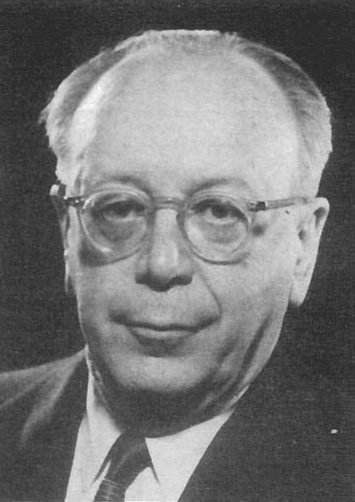
| Full Name | Arturo Salvador Rodriguez |
| Date of Birth | June 23, 1949 |
| Age(as of 2025) | 76 |
| Birthplace | San Antonio, Texas |
| Profession | Labor Union Leader |
| Husband/Wife | Sonia Rodriguez (m. 2006), Linda Chavez Rodriguez (m. 1974–2000) |
| Family | Children: Olivia Irlando, Julie Chavez Rodriguez, Arthur Rodriguez |
| Relationship/Affairs(GF/BF) | Information not disclosed |
| Net Worth | Not publicly available |
Early Life and Education of Arturo Rodriguez
Arturo Rodriguez was born and raised in the vibrant city of San Antonio, Texas. His upbringing in a working-class family and a community with a rich Hispanic heritage profoundly shaped his worldview and instilled in him a deep sense of social justice from a young age. He was raised in the Catholic faith, which played a significant role in his early development and his later commitment to activism. It was through his local parish priest that he first learned about the burgeoning farmworkers’ movement and the tireless efforts of Cesar Chavez. This initial exposure to the struggles of agricultural laborers planted the seeds of a lifelong passion for advocacy.
Rodriguez’s academic journey was marked by a strong focus on social sciences. He pursued his undergraduate studies at St. Mary’s University in his hometown of San Antonio, where he earned a Bachelor of Arts degree in sociology in 1971. During his time at St. Mary’s, he became actively involved in the UFW’s grape boycott, a pivotal campaign that brought national attention to the plight of farmworkers. This hands-on experience with grassroots organizing solidified his desire to dedicate his career to the cause. Following his graduation from St. Mary’s, Rodriguez’s commitment to social change led him to the prestigious University of Michigan in Ann Arbor. There, he enrolled in the School of Social Work, where he honed his understanding of community organizing and social policy. In 1973, he earned a Master of Social Work degree, equipping him with the theoretical knowledge and practical skills that would become invaluable in his future leadership role with the UFW. His formal education, combined with his early activism, provided a solid foundation for a lifetime of service to the farmworker community.
Arturo Rodriguez’s Career
Arturo Rodriguez’s career is inextricably linked with the United Farm Workers, a journey that began in his student years and culminated in him leading the organization for 25 years. His formal involvement with the UFW began in earnest after he completed his master’s degree. In a move that exemplified his dedication, Rodriguez chose to forgo his own graduation ceremony at the University of Michigan to meet with a UFW organizer and immediately begin working for the union full-time. His initial work involved organizing boycotts, a key strategy for the UFW, and he quickly demonstrated a natural aptitude for mobilizing public support and raising awareness.
Over the next two decades, Rodriguez immersed himself in all facets of the union’s operations. He was a tireless organizer, working in the fields and in the cities, leading political campaigns, and negotiating contracts. He learned the intricacies of the agricultural labor system and the myriad challenges faced by farmworkers, from meager wages and deplorable working conditions to the dangers of pesticides and the lack of basic legal protections. His dedication and effectiveness did not go unnoticed, and he steadily rose through the ranks of the UFW leadership. In 1981, he was elected to the union’s national executive board, a testament to the trust and respect he had earned from his peers and from the farmworkers he served. He was a close confidant and mentee of Cesar Chavez, who saw in him the passion and the strategic mind necessary to carry the movement forward. In 1992, Rodriguez was elected First Vice President of the UFW, positioning him as a key figure in the union’s future.
The sudden and tragic death of Cesar Chavez in 1993 was a profound loss for the farmworkers’ movement and for Rodriguez personally. In this critical moment, the UFW’s executive board unanimously chose Rodriguez to succeed his father-in-law as the union’s second president. He stepped into this role with a deep sense of responsibility, vowing to honor Chavez’s legacy while also recognizing the need to adapt the union’s strategies to a changing world. As president, Rodriguez launched a major organizing and contract negotiating drive that significantly increased the union’s membership. One of his early and most visible actions was leading a 343-mile march in 1994 to highlight the UFW’s ongoing campaigns and to galvanize a new generation of activists.
Under Rodriguez’s leadership, the UFW achieved numerous significant victories for farmworkers. He was a skilled negotiator, securing union contracts with some of the largest agricultural employers in the country, including major vegetable, strawberry, rose, and wine producers. He also recognized the importance of legislative and political advocacy. He and the UFW played a pivotal role in the passage of landmark legislation in California, including the first state law in the nation to grant farmworkers the right to overtime pay. Additionally, he was instrumental in the establishment of heat-stress regulations in California, which have undoubtedly saved lives by requiring employers to provide water, shade, and rest breaks to workers toiling in extreme temperatures. He also tirelessly advocated for immigration reform at the national level, working with lawmakers from both parties to push for a pathway to legal status for undocumented farmworkers. In 2018, after 45 years of service to the UFW, including 25 as its president, Arturo Rodriguez retired, passing the torch to Teresa Romero, the union’s first female and first immigrant president.
Arturo Rodriguez Personal Life & Family
Arturo Rodriguez’s personal and professional lives have been deeply intertwined, largely through his connection to the Chavez family. In 1973, while organizing for the UFW in Detroit, he met Linda Chavez, the daughter of Cesar and Helen Chavez. Linda was a dedicated activist in her own right, having worked in the fields from a young age and participated in numerous strikes and boycotts. They married in 1974 and went on to have three children: Olivia, Julie, and Arthur. Their family life was often shaped by the demands of the movement, with the family relocating to different parts of the country as needed for organizing campaigns. Tragically, Linda Chavez Rodriguez passed away in 2000 at the age of 49 from complications of scleroderma. Her passing was a great loss to the Chavez and Rodriguez families and to the UFW community.

In 2006, Arturo Rodriguez found love again and married Sonia Rodriguez, a community organizer from his hometown of San Antonio. Upon his retirement, he and Sonia made the decision to return to San Antonio, where they remodeled the very house in which he was born and raised. Rodriguez’s commitment to social justice has also been passed down to his children. His daughter, Julie Chavez Rodriguez, has had a distinguished career in public service, including working in the White House and serving as a senior advisor to President Joe Biden. Rodriguez’s life has been characterized by a deep devotion to both his immediate family and his larger family within the farmworkers’ movement.
Awards and Achievements of Arturo Rodriguez
- Led the United Farm Workers for 25 years as its second president, following the death of Cesar Chavez.
- Spearheaded successful organizing campaigns that significantly increased the UFW’s membership.
- Negotiated and secured union contracts with some of the largest agricultural companies in the United States.
- Played a pivotal role in the passage of California’s landmark law granting overtime pay to farmworkers, the first of its kind in the nation.
- Was a key advocate for the implementation of heat-stress regulations in California to protect farmworkers from heat-related illness and death.
- Championed immigration reform for agricultural workers at the federal level, including co-negotiating the agricultural provisions of comprehensive immigration reform bills.
- Led the UFW out of the AFL-CIO and into the new Change to Win Coalition in 2005.
- Successfully continued the legacy of Cesar Chavez while adapting the union’s strategies to contemporary challenges.
Arturo Rodriguez Net Worth and Income
The net worth of Arturo Rodriguez is not publicly available. Throughout his career with the United Farm Workers, financial gain was never a motivating factor. In fact, as president of the UFW, he was known for receiving a low wage that was comparable to that of the farmworkers he represented, a practice in keeping with the union’s philosophy of servant leadership. The Arturo Rodriguez net worth, therefore, is not a reflection of his immense contributions to the labor movement. His primary income throughout his working life was his modest salary from the union. Since his retirement, he continues to be an advocate for farmworkers in his role as president emeritus of the UFW.
Legacy and Influence
Arturo Rodriguez’s legacy is that of a dedicated and effective leader who successfully navigated the monumental task of succeeding a legendary figure like Cesar Chavez. He not only preserved the United Farm Workers but also guided it through a period of significant change and challenge in the American agricultural landscape. His leadership ensured the union’s survival and continued relevance in the post-Chavez era. Rodriguez’s influence can be seen in the tangible improvements in the lives of countless farmworkers, from better wages and working conditions secured through hard-won union contracts to the life-saving legislative protections he championed. He shifted the union’s focus back towards organizing and winning contracts, while also embracing political and legislative action as essential tools for progress. Although the UFW’s membership numbers have not returned to their peak of the 1970s, Rodriguez’s tenure saw the union stabilize and achieve significant victories that have had a lasting impact on the agricultural industry in California and beyond. As President Emeritus of the UFW, he continues to be an influential voice in the fight for farmworker rights and immigration reform, ensuring that the movement he has dedicated his life to continues to press forward.
Interesting Facts about Arturo Rodriguez
- He was inspired to join the farmworkers’ movement as a high school student after his parish priest was disciplined by the archbishop for marching with Cesar Chavez.
- He chose to skip his master’s degree graduation ceremony at the University of Michigan to immediately start working as a full-time organizer for the UFW.
- As president of the UFW, he maintained a frugal lifestyle and earned a low wage, similar to the members of the union he led.
- He led a 343-mile pilgrimage, or march, in 1994 from Delano to Sacramento to draw attention to the struggles of farmworkers and to reinvigorate the movement.
- He is the son-in-law of UFW co-founder Cesar Chavez, having been married to his daughter, the late Linda Chavez Rodriguez.
Controversies
While Arturo Rodriguez’s leadership of the United Farm Workers has been widely respected, his tenure was not without its challenges and criticisms. A significant point of contention for some observers of the labor movement was the decline in the UFW’s membership and influence from its peak in the 1970s. When Rodriguez took over in 1993, the union’s ranks had already dwindled significantly, and while he led successful organizing drives, the UFW did not regain the widespread membership of its heyday. Some critics have argued that the union under his leadership struggled at times to effectively counter the growing power of agricultural corporations and the challenges posed by a changing workforce and a complex immigration landscape. The UFW’s attempt to organize California’s strawberry workers in the 1990s, for example, was a major and ultimately unsuccessful campaign. Despite these criticisms, Rodriguez is largely viewed as having provided stable and dedicated leadership during a difficult period for the American labor movement as a whole.
Social Media Presence
- Instagram – Not publicly available
- Twitter – Not publicly available
- YouTube – Not publicly available
Final Words about Arturo Rodriguez
Arturo Rodriguez’s life and career represent a profound and enduring commitment to the cause of farmworkers’ rights. For nearly half a century, he has been a central figure in the United Farm Workers, first as a dedicated organizer and then as the leader who carried the torch after Cesar Chavez. His presidency was a period of both challenges and significant accomplishments, marked by a pragmatic approach that blended grassroots organizing with sophisticated political and legislative strategies. Now, as President Emeritus, Arturo Rodriguez remains an active and influential advocate for the men, women, and children who labor in America’s fields. He continues to work on key issues such as immigration reform and to lend his expertise and his voice to the ongoing struggle for justice and dignity for all workers. His legacy is not only in the contracts he negotiated and the laws he helped to pass but also in the inspiration he has provided to a new generation of activists to continue the fight for a more just and equitable food system.