

Brief Introduction of Thomas Rogers
Thomas Rogers was a pivotal figure in early American history, known primarily as a passenger on the historic 1620 voyage of the Mayflower. As one of the signers of the Mayflower Compact, he played a role in establishing the framework for self-governance in the Plymouth Colony. Originally from Watford, Northamptonshire, England, Rogers was a merchant who, along with his family, sought religious freedom, which led them to Leiden, Holland, and ultimately to the shores of the New World. Though his life in America was tragically short, as he perished during the first harsh winter, his legacy was secured through his children who later joined his surviving son in the colony. The Thomas Rogers biography and the story of his descendants are integral parts of the Mayflower narrative, representing the perseverance and sacrifice of the early Pilgrims. Today, millions of Americans can trace their ancestry back to him, making the Thomas Rogers wiki and family history a subject of continued interest.
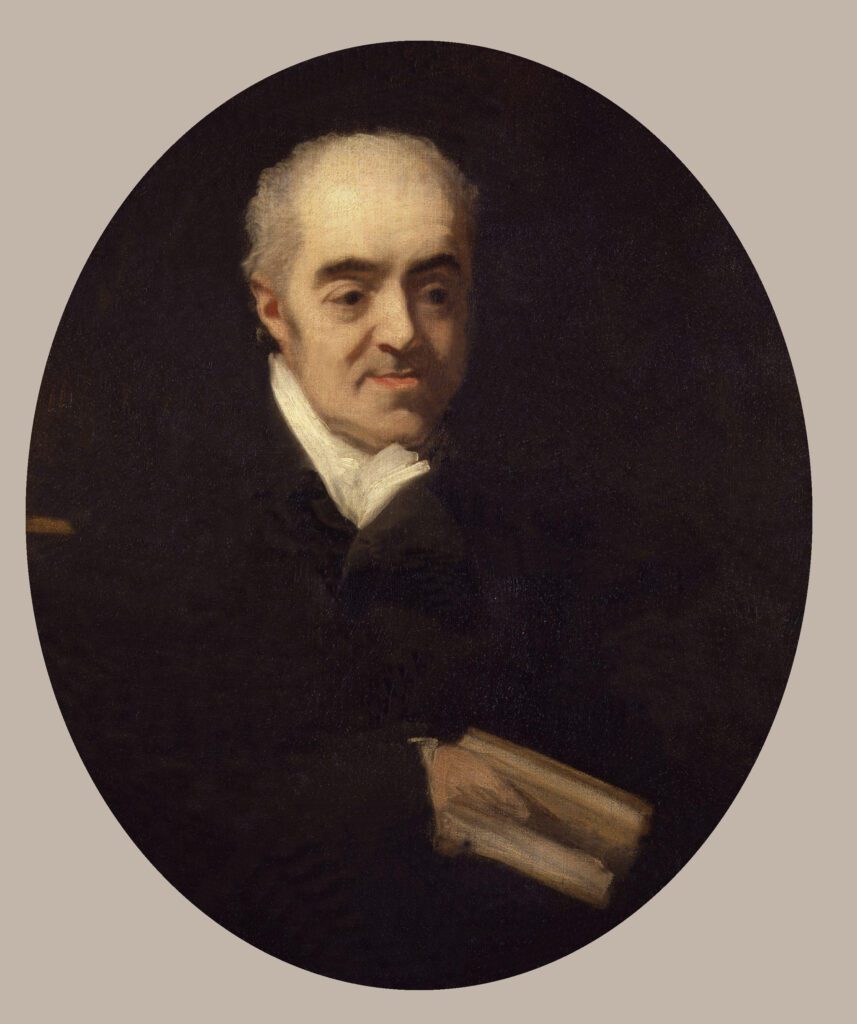
Thomas Rogers Overview
| Full Name | Thomas Rogers |
| Date of Birth | Circa 1571 |
| Age(as of 2025) | Deceased (Died in the winter of 1620/1621 at approximately 49 years of age) |
| Birthplace | Watford, Northamptonshire, England |
| Profession | Camlet Merchant |
| Husband/Wife | Alice Cosford |
| Family | Parents: William and Eleanor Rogers. Children: Thomas, Richard, Joseph, John, Elizabeth, and Margaret. |
| Relationship/Affairs(GF/BF) | Not applicable. He was married to Alice Cosford. |
| Net Worth | Not applicable for a 17th-century historical figure. |
Early Life and Education of Thomas Rogers
Thomas Rogers was born around 1.571 in Watford, Northamptonshire, England, to William and Eleanor Rogers. Growing up in Elizabethan England, he would have experienced a period of significant religious and social change. While specific details about his formal education are not documented, as a merchant, it is presumed he possessed a level of literacy and numeracy necessary for trade. On October 24, 1597, he married Alice Cosford in his home parish of Watford. She was the daughter of George and Margaret Cosford and had been baptized in the same parish on May 10, 1573. The couple established their family in Watford, where their six children were baptized between 1598 and 1613. Their life in England was deeply intertwined with the burgeoning Separatist movement. Seeking the freedom to practice their faith without persecution from the Church of England, Rogers and his family made the momentous decision to leave their homeland. Sometime after the baptism of their youngest child in 1613, the Rogers family relocated to Leiden, Holland, a city that had become a haven for religious dissenters from across Europe. In Leiden, Rogers assimilated into the community of English Separatists, who would later be known as the Pilgrims. He established himself as a merchant, dealing in camlet, a luxurious fabric made from a blend of wool and silk. Records indicate that he became a citizen of Leiden on June 25, 1618. This period in Leiden was crucial in shaping the events that would lead him to embark on the perilous journey to the New World. Having sold his house on the Barbarasteeg for 300 guilders on April 1, 1620, he was making tangible preparations for the voyage that would cement his place in history.
Thomas Rogers’s Career
Thomas Rogers’s career was that of a merchant, specifically a camlet merchant, a trade he practiced in Leiden, Holland. Camlet was a valuable woven fabric, often made from a combination of silk and camel’s hair or angora wool, indicating that Rogers was involved in the textile trade which was a significant industry in Leiden at the time. His profession as a merchant suggests he was a man of some means and business acumen, as evidenced by his ability to purchase a house in Leiden in 1614 and later sell it in 1620, likely to finance his family’s passage to America. The decision to join the Separatist congregation in their voyage to establish a new colony was a profound career change, moving from a settled merchant life to that of a colonist and planter in an unknown land. His role in this new venture was formalized when he became one of the 41 signatories of the Mayflower Compact on November 11, 1620. This document was the first governing agreement of the Plymouth Colony and his signature, the 18th on the list, signifies his standing as a respected member of the company. This act was arguably the most significant achievement of his career, as it marked his participation in the founding of a new society based on principles of self-governance. Unfortunately, his career as a colonist was cut short by his untimely death. He succumbed to the “first sickness,” a wave of contagious disease that swept through the colony during the harsh winter of 1620-1621. Despite his brief time in the New World, his contribution as one of the original Mayflower passengers and a signer of the Compact was a crucial step in the establishment of the Plymouth Colony.
Thomas Rogers Personal Life & Family
The personal life of Thomas Rogers was centered around his family and his faith. He was married to Alice Cosford, and together they had six children, all baptized in Watford, Northamptonshire. Their children were Thomas (who died in infancy), Richard (who also likely died young), Joseph, John, Elizabeth, and Margaret. His commitment to his Separatist beliefs was a defining aspect of his life, compelling him to uproot his family from England and move to Leiden, Holland, in search of religious tolerance. The family’s life in Leiden was among a community of fellow English Separatists, which likely provided a strong social and religious support network. However, the 1622 poll tax in Leiden lists his wife and remaining children as “poor people,” indicating the economic hardships they faced. When the decision was made to sail to America, the family was divided. Thomas traveled on the Mayflower with only his eldest surviving son, Joseph, who was about 17 or 18 years old at the time. His wife Alice and their other three children, John, Elizabeth, and Margaret, remained in Leiden, with the intention of joining them later once the colony was established. Tragically, Thomas Rogers died during the first winter in Plymouth, leaving his son Joseph an orphan in the new land. Joseph was taken into the care of Governor William Bradford. Governor Bradford’s later writings confirm that “the rest of Thomas Rogers’ [children] came over and are married and have many children.” His son John is known to have arrived in Plymouth around 1630. While the exact arrival details for his daughters Elizabeth and Margaret are less certain, it is believed they also made the journey to New England. The family was eventually reunited, in a sense, in the new colony, and his descendants played a role in the growth and development of early America. The story of the Thomas Rogers family highlights the immense sacrifices made by the Pilgrims, including the separation of families and the perils of establishing a new life in an unforgiving environment.
Awards and Achievements of Thomas Rogers
- Signatory of the Mayflower Compact: As the 18th signer of this foundational document of American democracy, Thomas Rogers played a direct role in establishing a system of self-governance for the Plymouth Colony.
- Mayflower Passenger: His journey on the Mayflower is a significant historical achievement, marking him as one of the original Pilgrims who sought religious freedom and established one of the first permanent English settlements in New England.
Thomas Rogers Net Worth and Income
Information regarding the specific net worth and income of Thomas Rogers is not publicly available and would be impossible to calculate in modern terms. As a camlet merchant in the 17th century, his income would have fluctuated with the success of his trade. The sale of his house in Leiden for 300 guilders in 1620 provides some insight into his financial standing at the time of his departure for America. However, the 1622 poll tax records from Leiden describe his remaining family as “poor people,” suggesting that the family’s resources were limited, especially after his departure and subsequent death. In the Plymouth Colony, the concept of personal net worth was different from today. Wealth was often measured in land and livestock. In the 1623 land division, two acres were allotted in the name of the deceased Thomas Rogers and his son Joseph, which indicates his recognized status as a head of household. There are no records of a Thomas Rogers husband/wife division of property as his wife was in Leiden at the time of his death.
Legacy and Influence
The legacy and influence of Thomas Rogers are deeply embedded in the story of America’s founding. Although his time in the Plymouth Colony was brief, his participation in the Mayflower voyage and as a signer of the Mayflower Compact secures his place in history. His primary legacy is carried on through his descendants. Governor William Bradford’s account, written around 1651, notes that Thomas’s son Joseph was living and had six children, and that his other children had also come to America, married, and had many children. This proliferation of the Rogers family from a single Mayflower passenger is a testament to the resilience of the early colonists. Today, it is estimated that millions of people can trace their lineage back to the passengers of the Mayflower, and a significant number of those are descendants of Thomas Rogers. This shared ancestry has fostered a sense of connection to America’s early history for many families. Organizations such as the Thomas Rogers Society are dedicated to preserving his memory and documenting his descendants, further solidifying his historical importance. The life of Thomas Rogers, though tragically short in the New World, exemplifies the courage, faith, and determination of the Pilgrims who laid the groundwork for a new nation.
Interesting Facts about Thomas Rogers
- He was not originally part of the Separatist congregation in Scrooby, England, but joined the community in Leiden, Holland.
- The name of his wife, Alice Cosford, and their marriage date were discovered through English parish records, providing a more complete picture of his family life before the move to Holland.
- In the 1623 land division at Plymouth, his son Joseph received two acres, one for himself and one in his deceased father’s name, acknowledging Thomas’s contribution to the colony.
- While the exact location of his grave is unknown, he is believed to be buried in an unmarked grave on Cole’s Hill in Plymouth, along with the many others who died in the first winter. His name is included on the Pilgrim Memorial Tomb on Cole’s Hill.
- The Y-DNA of his male descendants has been traced, confirming a specific haplogroup for the Rogers line originating from the Mayflower.
Controversies
There are no known significant controversies directly associated with Thomas Rogers. Historical accounts portray him as a committed member of the Pilgrim community who undertook the perilous journey to America for the sake of religious freedom. The primary areas of historical debate or clarification surrounding him have been genealogical in nature. For many years, there was speculation and misinformation regarding his ancestry, with some claims falsely linking him to the Protestant martyr John Rogers. These claims have been thoroughly debunked by genealogical research. Similarly, the identities of all his children who came to America after him were a subject of research for a long time. While his son John is well-documented, the later lives of his daughters Elizabeth and Margaret in New England are less clear to historians.
Social Media Presence
- Instagram – Not applicable
- Twitter – Not applicable
- YouTube – Not applicable
Final Words about Thomas Rogers
Thomas Rogers stands as a poignant figure in the early history of the Plymouth Colony. His story is one of profound faith, courage, and ultimate sacrifice. As a camlet merchant who left a settled life in England and then Holland, he represents the deep convictions that drove the Pilgrims to seek a new life in an unknown wilderness. His signature on the Mayflower Compact is a lasting testament to his commitment to the principles of community and self-governance. Though he did not survive to see the colony flourish, his legacy was not buried with him on Cole’s Hill. It lived on through his son Joseph, who endured that first brutal winter, and through his other children who later crossed the Atlantic to join their brother. The Thomas Rogers biography is more than just a historical account; it is the story of a founding father whose descendants have become an enduring part of the American fabric. The continued interest in the Thomas Rogers wiki and his family tree underscores the lasting importance of the Mayflower story and the individuals who lived it.