
Brief Introduction of Pope Francis
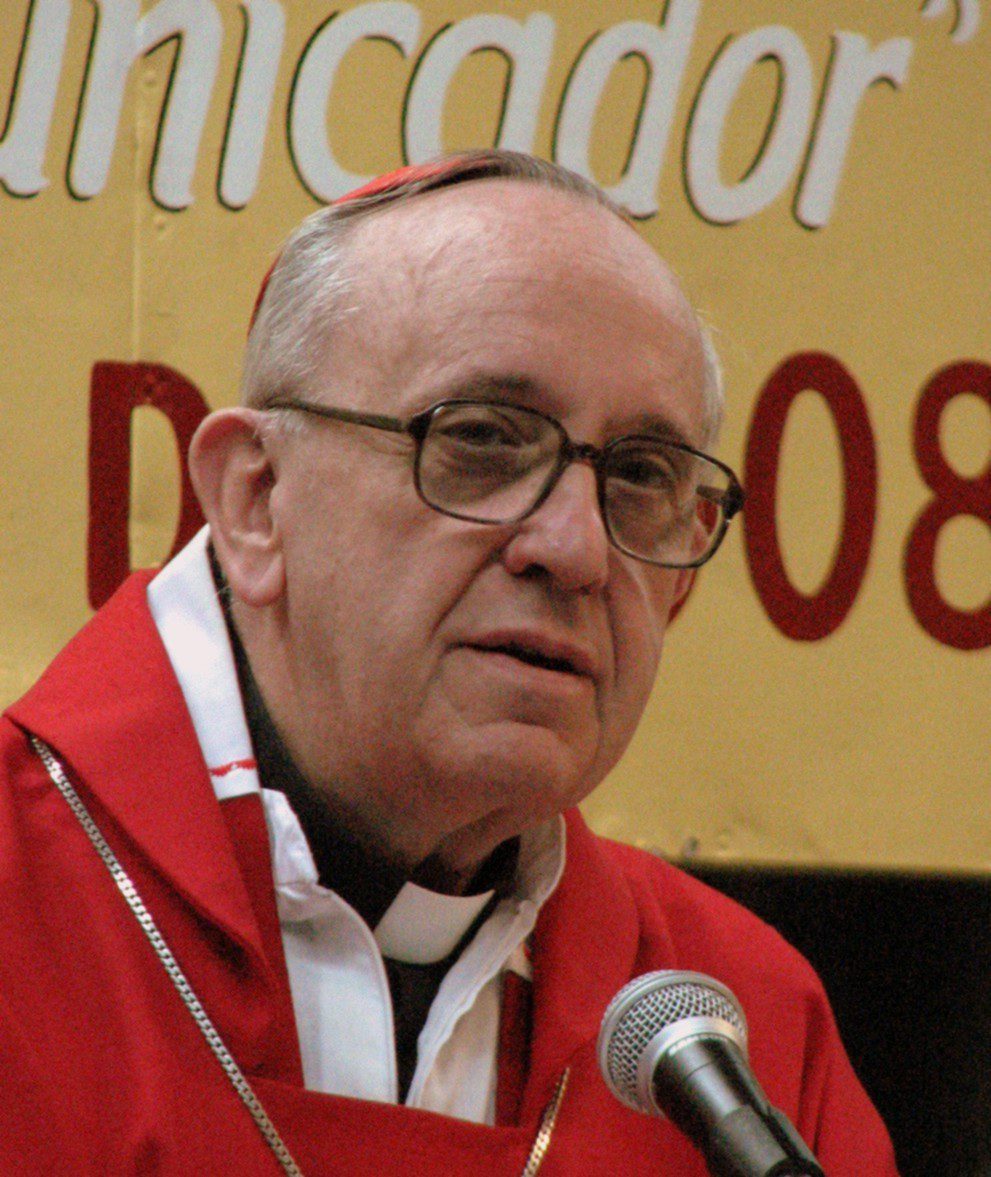
Pope Francis, born Jorge Mario Bergoglio on December 17, 1936, served as the 266th pope of the Roman Catholic Church from his election on March 13, 2013, until his death on April 21, 2025. A figure of global significance, he was the first pope from the Americas, the first from the Southern Hemisphere, and the first Jesuit to be elected to the papacy. Known for his humility, emphasis on God’s mercy, and concern for the poor and marginalized, Pope Francis adopted a simpler and less formal approach to the papacy than his predecessors. His pontificate was marked by a focus on social justice, environmental stewardship, and interfaith dialogue, making him a prominent voice on the world stage. He was recognized for his efforts to reform the Vatican bureaucracy and for his pastoral outreach to those on the peripheries of society.
Pope Francis Overview
| Full Name | Jorge Mario Bergoglio |
| Date of Birth | December 17, 1936 |
| Age(as of 2025) | 88 years old (at time of death) |
| Birthplace | Buenos Aires, Argentina |
| Profession | 266th Pope of the Catholic Church |
| Husband/Wife | Not applicable (vow of celibacy) |
| Family | Parents: Mario José Bergoglio and Regina María Sívori. Siblings: Alberto Horacio, Óscar Adrián, Marta Regina, and María Elena. |
| Relationship/Affairs(GF/BF) | Not publicly available |
| Net Worth | Estimates vary, with some sources suggesting around $16 million in assets associated with his office, while others claim his personal net worth is virtually zero due to his vow of poverty. |
Early Life and Education of Pope Francis
Pope Francis was born Jorge Mario Bergoglio in the Flores neighborhood of Buenos Aires, Argentina, on December 17, 1936. He was the eldest of five children born to Italian immigrants, Mario José Bergoglio, a railway accountant, and Regina María Sívori, a homemaker. His family had emigrated from the Piedmont region of Italy in 1929 to escape the fascist regime of Benito Mussolini. Bergoglio’s upbringing in a working-class neighborhood profoundly shaped his worldview and his later advocacy for the poor. He attended public schools and graduated from a technical secondary school with a diploma as a chemical technician. Before entering the seminary, he worked in the food section of a laboratory and also briefly as a bouncer at a nightclub and as a janitor. At the age of 21, he suffered from a severe case of pneumonia, which resulted in the removal of a portion of his right lung, a health issue he contended with throughout his life. In 1958, he felt a strong calling to the priesthood and began his journey with the Society of Jesus, entering the Jesuit novitiate on March 11 of that year. His academic path included studying humanities in Santiago, Chile, and earning a licentiate in philosophy from the Colegio Máximo de San José in San Miguel, Buenos Aires province. He also taught literature and psychology at high schools in Santa Fé and Buenos Aires during the mid-1960s before undertaking theological studies.
Pope Francis’s Career
Jorge Mario Bergoglio was ordained to the priesthood on December 13, 1969. He continued his spiritual training and took his final vows as a Jesuit in 1973. That same year, at the young age of 36, he was appointed as the Provincial Superior of the Society of Jesus in Argentina, a position he held until 1979. This period coincided with Argentina’s brutal “Dirty War,” and his leadership during this time later faced scrutiny, though he maintained that he worked covertly to protect people from the military junta. In the 1980s, after his term as provincial superior, he served as the rector of the Colegio Máximo where he had studied and also pursued doctoral studies in Germany. His episcopal career began on May 20, 1992, when Pope John Paul II appointed him as an auxiliary bishop of Buenos Aires. He was later named Coadjutor Archbishop in 1997 and succeeded Cardinal Antonio Quarracino as the Archbishop of Buenos Aires on February 28, 1998. As Archbishop, he became known as “Father Jorge,” noted for his simple lifestyle; he lived in a small apartment, used public transportation, and cooked his own meals. He focused heavily on increasing the Church’s presence in the city’s slums, earning him the nickname “the slum bishop.” Pope John Paul II elevated him to the rank of cardinal on February 21, 2001. Following the resignation of Pope Benedict XVI in February 2013, the papal conclave elected Cardinal Bergoglio as the 266th pope on March 13, 2013. He chose the papal name Francis in honor of Saint Francis of Assisi, signaling his commitment to the poor, peace, and the environment.
Pope Francis Personal Life & Family
Pope Francis, as the head of the Catholic Church, lived a life dedicated to his religious vows, which include celibacy; therefore, the concepts of Pope Francis husband/wife or Pope Francis gf/bf are not applicable. He was born into a close-knit family, the eldest of five children. His parents were Mario José Bergoglio and Regina María Sívori. His siblings were Alberto Horacio, Óscar Adrián, Marta Regina, and María Elena Bergoglio. By the time of his papacy, only his sister, María Elena, was still living. He maintained a close relationship with her and his nephews. Francis was known for his remarkable humility and simple lifestyle, which he maintained even after becoming pope. He famously rejected the traditional, ornate papal apartments in the Apostolic Palace, choosing instead to reside in the more modest Domus Sanctae Marthae guesthouse in the Vatican. His personal philosophy was deeply rooted in his Jesuit identity, emphasizing service, social justice, and a “preferential option for the poor.” He was an avid fan of soccer, remaining a loyal supporter of the San Lorenzo de Almagro club from his hometown of Buenos Aires.
Awards and Achievements of Pope Francis
- Charlemagne Prize (2016): Awarded for his message of hope and encouragement and for his work in promoting peace and understanding in Europe.
- Time Magazine’s Person of the Year (2013): Recognized for his global influence and for shifting the focus of the Catholic Church towards compassion and social justice.
- Encyclical ‘Laudato Si’ (2015): A landmark papal letter addressing the urgent need for environmental protection and action on climate change, which had a significant global impact.
- Interfaith Dialogue: Made historic strides in improving relations with other faiths, notably through his relationship with the Grand Imam of Al-Azhar, Ahmed el-Tayeb.
- Vatican Financial Reforms: Initiated significant reforms to bring greater transparency and accountability to the Vatican’s finances.
- Jubilee Year of Mercy (2016): A worldwide extraordinary jubilee that focused on God’s mercy, a central theme of his pontificate.
- Synod on Synodality: Launched a multi-year global consultation process to foster a more inclusive and “listening Church.”
Pope Francis Net Worth and Income
The discussion of Pope Francis net worth is complex. While popes are entitled to a salary, Francis reportedly refused to accept any personal wages from the Vatican since his election in 2013. He is bound by a Jesuit vow of poverty, meaning he does not personally own property or accumulate wealth. Consequently, his personal net worth is often cited as being close to zero. However, some reports estimate his net worth to be around $16 million. This figure does not represent personal wealth but rather the value of assets associated with the office of the pope, such as residences and transportation, to which he had access. His lifestyle reflected his commitment to simplicity; he wore a simple iron pectoral cross and eschewed the traditional red papal shoes. All his living expenses, including housing, food, and travel, were covered by the Vatican. He consistently advocated for greater financial transparency within the Church and redirected its focus towards service and justice rather than wealth accumulation.

Legacy and Influence
Pope Francis left an indelible mark on the Catholic Church and the world. As the first pope from the Global South, his papacy represented a significant shift in the Church’s geographical focus. His legacy is largely defined by his efforts to create a more inclusive, merciful, and pastoral Church, one that is “for the poor.” He challenged the Church to go to the “peripheries” and to be a “field hospital” for the wounded. A key aspect of his influence was changing the tone of the papacy; his famous “Who am I to judge?” remark regarding gay priests signaled a more compassionate approach, even if Church doctrine did not change. His encyclical, Laudato si’, became a foundational text for faith-based environmentalism. He was a tireless advocate for migrants and refugees and a strong critic of unfettered capitalism and consumerism. His leadership, however, was not without its critics, who found his informal style and openness to debate polarizing. Ultimately, he appointed a majority of the cardinals who would elect his successor, ensuring his vision for a more global and pastoral Church would have a lasting influence.
Interesting Facts about Pope Francis
- He worked as a bouncer at a nightclub in Buenos Aires in his youth to earn money.
- He only has one fully functioning lung, as part of his right lung was removed when he was a young man due to a severe infection.
- He is a lifelong fan of tango and was known to be a good dancer in his youth.
- Before becoming pope, he was known for taking the bus to work and cooking his own meals in his small apartment.
- He chose the name Francis in honor of St. Francis of Assisi, and it was the first time a pope had chosen this name.
- He speaks several languages, including Spanish, Italian, and German.
- He made a vow not to watch television in 1990.
Controversies
Pope Francis’s papacy, while widely popular, was not without its controversies. One of the most significant challenges was his handling of the clergy sexual abuse crisis. While he took steps to create accountability, including defrocking bishops and establishing a commission for child protection, critics and abuse survivors often felt his responses were inadequate or too slow. In 2018, he faced significant backlash for his initial defense of a Chilean bishop accused of covering up abuse, for which he later apologized, admitting to “serious errors in judgment.” His decisions regarding liturgy also sparked debate, particularly his 2021 motu proprio Traditionis Custodes, which restricted the use of the Traditional Latin Mass, a move that was seen as a reversal of his predecessor Benedict XVI’s policy and upset many traditionalist Catholics. Francis also faced criticism from conservatives over his pastoral openness on issues like communion for the divorced and remarried and his outreach to the LGBTQ+ community. Some accused him of sowing confusion and diluting Catholic doctrine, while his supporters saw these moves as necessary pastoral adaptations to modern life.
Social Media Presence
- Twitter (X) – The official papal account, @Pontifex, which tweets in nine languages, has over 50 million followers combined across all its language accounts.
- Instagram – His Instagram account, @Franciscus, has nearly 10 million followers.
- YouTube – The Vatican has an official YouTube channel that features videos of Pope Francis’s activities and messages, although subscriber numbers for a personal channel are not applicable.
Final Words about Pope Francis
Pope Francis’s pontificate was a period of significant transformation for the Catholic Church. He remained an active and influential global leader until his final days, passing away at his Vatican residence on April 21, 2025, after a period of declining health. In his will, he requested to be buried in the Basilica of Santa Maria Maggiore in Rome, a church he held in special affection. His legacy is one of compassion, reform, and a reorientation of the Church’s mission towards the poor and marginalized. By appointing a diverse college of cardinals, he paved the way for a more globally representative Church. He consistently challenged political and economic systems that exclude and harm the vulnerable, and he reframed the papacy with a tone of humility and service. The “People’s Pope,” as he was often called, will be remembered for bringing the Church closer to the people and for his tireless efforts to build a more just and fraternal world.