
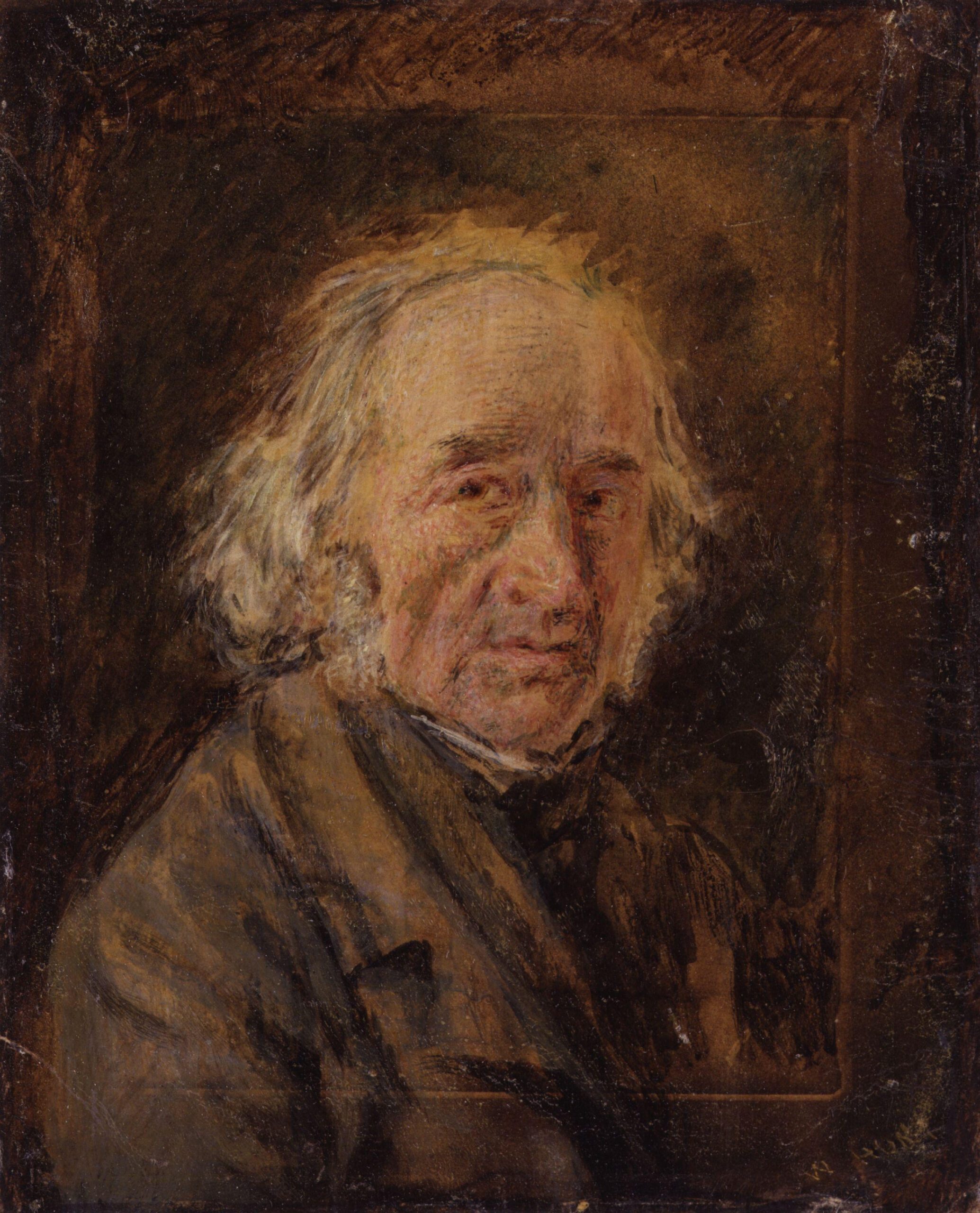
Brief Introduction of Henry Hunt
Henry “Orator” Hunt was a prominent British radical speaker and agitator in the early 19th century, renowned for his powerful oratory and his relentless campaigning for parliamentary reform. A pioneer of working-class radicalism, he was a central figure in the movement advocating for universal suffrage, annual parliaments, and the repeal of the Corn Laws. His fame was cemented by his role as the principal speaker at a mass reform meeting in Manchester on August 16, 1819, an event that tragically became known as the Peterloo Massacre. Hunt’s unwavering dedication to the cause of the common person, his subsequent imprisonment, and his brief but impactful career as a Member of Parliament made him a significant influence on the later Chartist movement and a foundational figure in the long struggle for democratic rights in Britain.

Henry Hunt Overview
| Full Name | Henry Hunt |
| Date of Birth | November 6, 1773 |
| Age(as of 2025) | Deceased (Died February 15, 1835, aged 61) |
| Birthplace | Upavon, Wiltshire, England |
| Profession | Politician, Orator, Farmer |
| Husband/Wife | Ann Halcomb (m. 1796, separated 1802) |
| Family | Father: Thomas Hunt. Children: Two sons and one daughter with Ann Halcomb. |
| Relationship/Affairs(GF/BF) | Lived with Catherine Vince after separating from his wife. |
| Net Worth | Information not disclosed in modern terms; he was a prosperous farmer and landowner. |
Early Life and Education of Henry Hunt
Henry Hunt was born on November 6, 1773, in Upavon, Wiltshire, into a family of considerable means. His father, Thomas Hunt, was a successful and wealthy gentleman farmer. From the age of five, Hunt was sent to a boarding school in Tilshead, Wiltshire, and later received education in Hampshire. Though his parents had ambitions for him to join the priesthood, possibly attending Oxford, Hunt himself was drawn to agriculture and the life of a farmer. He joined his father in managing the family estates and, upon his father’s death in 1797, inherited significant landholdings, including 3,000 acres in Wiltshire and another large estate in Somerset. Initially a loyal supporter of the government and constitution, his direct experiences with rural poverty and the administration of justice began to shift his political views towards a more radical perspective. A pivotal moment in his early life came in 1800 when a dispute with Lord Bruce over the killing of pheasants led to Hunt being sentenced to six weeks in prison. It was during this imprisonment that he met Henry Clifford, a radical lawyer who introduced him to the burgeoning movement for adult suffrage and key political reformers like Francis Place and Thomas Hardy.
Henry Hunt’s Career
Henry Hunt’s political career was defined by his extraordinary talent as a public speaker and his unwavering commitment to radical reform. After his introduction to radical circles, he became increasingly active in politics, using his wealth to fund his campaigns and his powerful voice to rally the masses. By the 1810s, he had gained a national reputation as a magnificent orator, earning the nickname “Orator” Hunt. He addressed enormous crowds across the country, speaking at reform meetings with tens of thousands of attendees in cities like Birmingham, Blackburn, and London. His political platform was clear and consistent: he advocated for annual parliaments, universal suffrage, the secret ballot, and the repeal of the restrictive Corn Laws. His tactic was to use “mass pressure”—mobilizing huge, peaceful crowds to demonstrate the will of the people and compel the government to enact reforms without resorting to insurrection.
The apex of his influence came on August 16, 1819, when he was invited to be the main speaker at a rally for parliamentary reform at St. Peter’s Fields in Manchester. A peaceful crowd of around 60,000 men, women, and children gathered to hear him speak. The local magistrates, fearing a riot, ordered the yeomanry to arrest Hunt. The poorly trained cavalry charged the crowd, leading to a brutal dispersal that resulted in an estimated 18 deaths and hundreds of injuries. The event was dubbed the “Peterloo Massacre.” Hunt was arrested, tried for seditious conspiracy, and sentenced to two and a half years in Ilchester Gaol. His imprisonment only enhanced his status as a martyr for the cause. While incarcerated, he wrote his memoirs and exposed the brutal conditions of the prison, leading to public outcry and the eventual dismissal of the jailer.
After his release in 1822, Hunt continued his relentless campaign. He formed the Radical Reform Association and stood for Parliament several times. In 1830, he achieved a major victory, being elected as the Member of Parliament for Preston, one of the few constituencies with a relatively democratic franchise. In the House of Commons, he was a tireless champion for the working classes, speaking out against child labour and presenting the first-ever petition in support of women’s suffrage to Parliament in 1832. However, his uncompromising principles led him to oppose the 1832 Reform Act, which he believed was a betrayal of the working class as it did not grant them the vote. This stance cost him his seat in the 1833 election. He retired from national politics thereafter, having exhausted much of his fortune in the pursuit of his ideals.
Henry Hunt Personal Life & Family
Henry Hunt’s personal life was often as tumultuous as his political career. In January 1796, he married Ann Halcomb, the daughter of a Devizes innkeeper. The couple had three children together: two sons and a daughter. However, the marriage was not a happy one, and the couple formally separated in 1802. Following the separation, Hunt began a relationship with Catherine Vince, the wife of a friend, with whom he eloped and lived for the remainder of his life. Under the separation agreement, his wife Ann received custody of their daughter and an annual allowance, while their two sons remained with Hunt. Hunt was described as a man who was fond of rural sports, excelling as a shot, angler, and skilled farmer. Despite his radical politics, he came from a wealthy landowning background, and his lifestyle was that of a prosperous gentleman farmer. This financial independence allowed him to pursue his political ambitions without the need for patronage, though his decades of campaigning and legal battles significantly drained his personal wealth.
Awards and Achievements of Henry Hunt
While Henry Hunt did not receive formal awards in the modern sense, his achievements were significant and left a lasting mark on British politics.

- Elected as a Member of Parliament for Preston in 1830, defeating the future Prime Minister Edward Stanley.
- Became the first Member of Parliament to advocate for women’s suffrage, presenting a petition for a woman’s right to vote in 1832.
- Successfully exposed the horrific conditions and corruption at Ilchester Gaol during his imprisonment, leading to an official inquiry and the dismissal of the governor.
- A leading figure in the national movement for parliamentary reform, whose advocacy for universal suffrage laid the groundwork for the later Chartist movement.
- Championed the rights of the working classes in Parliament, addressing issues such as the repeal of the Corn Laws and the abolition of child labour.
- His white hat, damaged by a sabre at Peterloo, became an iconic symbol of the reform movement.
Henry Hunt Net Worth and Income
A precise Henry Hunt net worth in contemporary figures is not available. However, historical accounts confirm that he was a man of considerable wealth for his time. He was born into a prosperous farming family and, in 1797, inherited substantial estates from his father, including thousands of acres of land in Wiltshire and Somerset. This made him a wealthy landowner and a successful farmer. His income was derived from his agricultural enterprises. This financial independence was crucial, as it allowed him to fund his own political campaigns and activities without relying on sponsors. However, his relentless political agitation, multiple election campaigns, and lengthy imprisonment took a significant toll on his finances over the decades, and it is reported that he lost much of his fortune in pursuit of his political goals. Towards the end of his life, after losing his parliamentary seat, he focused on business, including manufacturing shoe blacking.
Legacy and Influence
Henry Hunt’s legacy is that of a foundational figure in the history of British democracy. Though he did not live to see the realization of his ultimate goal of universal suffrage, his tireless agitation and powerful oratory were instrumental in raising the political consciousness of the working classes. He is remembered as a key pioneer of working-class radicalism and a direct influence on the Chartist movement, which adopted many of the principles he had championed for decades. The Peterloo Massacre, where he was the central figure, became a potent symbol of state oppression and a rallying cry for reform that resonated for generations. As an MP, his advocacy for radical causes, including his groundbreaking call for women’s suffrage, marked him as a politician far ahead of his time. Although his uncompromising nature sometimes created friction with other reformers, his dedication to the principle of “mass pressure” and peaceful demonstration helped shape the tactics of future social and political movements in Britain.
Interesting Facts about Henry Hunt
- His white top hat, which was famously struck by a yeoman’s sabre at the Peterloo Massacre, became a popular symbol for reformers.
- During his two-year imprisonment in Ilchester Gaol, he wrote his memoirs.
- An ancestor of his, Colonel Thomas Hunt, had also been imprisoned in Ilchester after the Somerset rising in the 17th century.
- After retiring from politics, one of his business ventures was the manufacturing and sale of shoe blacking.
- He was known for his commanding physical presence, standing over six feet tall, which added to his authority as a speaker.
- Despite his radicalism, he was a strong believer in constitutional methods and argued for peaceful protest, not insurrection.
Controversies
Henry Hunt was a deeply controversial figure throughout his life. To the government and the establishment, he was a dangerous demagogue inciting revolution. His leadership at the Peterloo meeting led to his conviction for seditious conspiracy. He was also a divisive figure within the radical movement itself. His supreme confidence, vanity, and sometimes arrogant demeanor led to clashes with other reformers, such as William Cobbett. His personal life also attracted controversy, particularly his decision to leave his wife, Ann Halcomb, and elope with the wife of a friend, Catherine Vince, which was a significant social scandal at the time.
Social Media Presence
- Instagram – Not applicable
- Twitter – Not applicable
- YouTube – Not applicable
Final Words about Henry Hunt
Henry “Orator” Hunt remains a pivotal, if sometimes overlooked, figure in the United Kingdom’s long march toward democracy. The complete Henry Hunt biography reveals a man of paradoxes: a wealthy landowner who became the champion of the impoverished working class, a believer in constitutional rights branded as a dangerous revolutionary, and a masterful orator whose greatest triumph ended in a massacre. His refusal to compromise on the principle of universal suffrage, even when it cost him his parliamentary career, underscores his deep commitment to genuine democratic reform. Hunt died of a stroke on February 15, 1835, but his influence endured. He laid the essential groundwork for the Chartists and all subsequent movements that fought to give a political voice to the ordinary people of Britain, cementing his legacy as a courageous and indispensable advocate for popular sovereignty.