
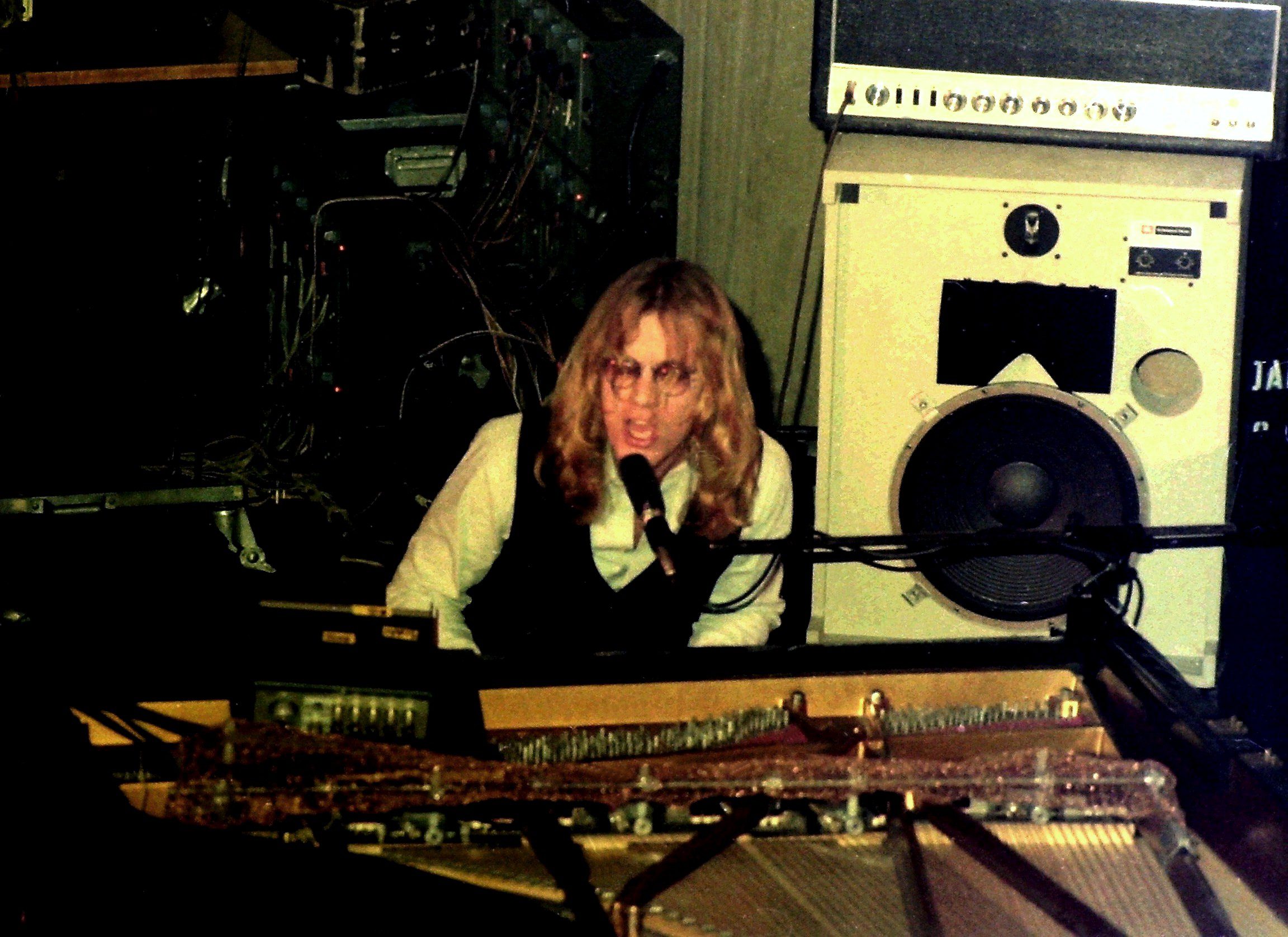
Brief Introduction of Warren Zevon
Warren William Zevon was a singular American rock singer and songwriter, celebrated for his literary, often cynical, and darkly humorous lyrics that painted vivid, cinematic portraits of outlaws, mercenaries, and the down-and-out. His music, a potent blend of rock, folk, and blues, garnered critical acclaim and a devoted cult following, though widespread commercial success largely eluded him. Zevon’s most iconic songs, such as “Werewolves of London,” “Lawyers, Guns and Money,” and “Roland the Headless Thompson Gunner,” showcase his unique narrative style and mordant wit. He was a musician’s musician, highly respected by his peers, including luminaries like Jackson Browne, Bruce Springsteen, and Bob Dylan. Despite personal struggles with alcoholism and a notorious fear of doctors, Zevon’s creative output remained potent throughout his career, culminating in a poignant final album recorded after a terminal cancer diagnosis.

Warren Zevon Overview
| Full Name | Warren William Zevon |
| Date of Birth | January 24, 1947 |
| Age (as of 2025) | Would have been 78 |
| Birthplace | Chicago, Illinois, U.S. |
| Profession | Singer, songwriter |
| Husband/Wife | Crystal Zevon (married 1974) |
| Family | Son: Jordan Zevon; Daughter: Ariel Zevon |
| Relationship/Affairs(GF/BF) | Marilyn “Tule” Livingston |
| Net Worth | $4 million at the time of his death |
Early Life and Education of Warren Zevon
Warren William Zevon was born in Chicago, Illinois, to a family with a colorful and unconventional background that would deeply influence his later songwriting. His father, William “Stumpy” Zevon, was a Jewish immigrant from Russia with ties to the criminal underworld, working as a bookie and dice-game operator for the infamous Los Angeles mobster Mickey Cohen. His mother, Beverly Cope, came from a Mormon family of English descent. This unlikely pairing of a gangster and a Mormon created a volatile and nomadic childhood for Zevon, who moved frequently between different cities in California. The instability of his home life, marked by his parents’ eventual divorce when he was sixteen, undoubtedly shaped his worldview and the sardonic, tough-guy characters that populated his songs. Despite the tumultuous environment, Zevon displayed prodigious musical talent from a young age. In an extraordinary turn of events, a young Zevon was an occasional visitor to the home of the legendary classical composer Igor Stravinsky, where he briefly studied modern classical music. This early exposure to classical forms and intricate composition would subtly inform his own rock and roll arrangements. However, his formal education was short-lived. After his parents divorced, Zevon quit high school at the age of 16 and moved to New York City with aspirations of becoming a folk singer, setting the stage for his entry into the professional music world.
Warren Zevon’s Career
Warren Zevon’s career was a study in contrasts: critical adoration paired with inconsistent commercial success, brilliant songwriting marred by personal demons, and a cult following that sustained him through lean years. His journey began in the mid-1960s folk scene, forming a duo called lyme & cybelle, which achieved minor success with the single “Follow Me”. He also penned songs for other artists, notably The Turtles. His debut solo album, “Wanted Dead or Alive” (1969), produced by Kim Fowley, failed to make an impact. The early 1970s found Zevon working as the musical director, band leader, and keyboardist for the Everly Brothers, a period that honed his professional skills but left him creatively unfulfilled. A brief, self-imposed exile in Spain followed, where he played in a bar and began writing some of his most enduring songs. A turning point came when his friend Jackson Browne championed his work, leading to a contract with Asylum Records. Browne produced Zevon’s self-titled 1976 album, a critical masterpiece that featured contributions from a who’s who of the Laurel Canyon music scene, including members of the Eagles, Fleetwood Mac, and Linda Ronstadt, who would have hits with his songs “Poor Poor Pitiful Me” and “Hasten Down the Wind”. This album established Zevon as a songwriter of immense talent and wit. His commercial breakthrough arrived in 1978 with “Excitable Boy,” which became his best-selling album. It contained his only major hit single, the quirky and infectious “Werewolves of London,” as well as other signature tracks like “Roland the Headless Thompson Gunner” and “Lawyers, Guns and Money.” The success, however, exacerbated his struggles with alcoholism, leading to a period of personal and professional decline. Throughout the 1980s and 1990s, Zevon continued to release critically acclaimed albums like “The Envoy” (1982), “Sentimental Hygiene” (1987), and “Mr. Bad Example” (1991), but he never replicated the commercial success of “Excitable Boy.” He maintained a loyal fanbase and was a frequent and beloved guest on “Late Night with David Letterman,” whose host, David Letterman, became a significant champion of his music. In 2002, Zevon was diagnosed with inoperable mesothelioma and given only months to live. Refusing debilitating treatment, he chose to pour his remaining energy into a final album. “The Wind,” released just two weeks before his death in 2003, was a powerful and moving farewell, featuring collaborations with friends like Bruce Springsteen, Tom Petty, and Don Henley. The album became a commercial success and earned him two posthumous Grammy Awards, a fitting final chapter to a remarkable career.
Warren Zevon Personal Life & Family
Warren Zevon’s personal life was as turbulent and complex as his song narratives. His relationships were often fraught with the consequences of his alcoholism and intense personality. He had a son, Jordan Zevon, born in 1969, with his long-term partner Marilyn “Tule” Livingston. In 1974, he married Crystal Ann Brelsford, and their daughter, Ariel Zevon, was born in 1976. The marriage was tumultuous, heavily impacted by Zevon’s drinking and violent behavior during alcoholic blackouts. In her biography of her late ex-husband, “I’ll Sleep When I’m Dead: The Dirty Life and Times of Warren Zevon,” Crystal chronicled the chaos and pain of their life together, which he had asked her to do with unflinching honesty. They divorced in 1980. Zevon’s lifestyle was often self-destructive, and he battled addiction for many years before achieving sobriety in the mid-1980s. However, his sobriety brought other challenges to the forefront, namely his lifelong struggles with obsessive-compulsive disorder. He was known for his sharp intellect, cynical wit, and a deep-seated phobia of doctors, which tragically led to a late diagnosis of the cancer that would take his life. In his final year, Zevon focused on his music and connecting with his family. He lived to see the birth of his twin grandsons just a few months before he passed away. Despite the difficulties he caused, he was beloved by a close circle of friends and his children, with whom he developed stronger relationships later in his life.
Awards and Achievements of Warren Zevon
- Grammy Award: Best Contemporary Folk Album for “The Wind” (2004)
- Grammy Award: Best Rock Performance by a Duo or Group with Vocal for “Disorder in the House” (with Bruce Springsteen) (2004)
- Posthumously nominated for five Grammy Awards in 2004, including Song of the Year for “Keep Me in Your Heart”.
- Inducted into the Rock and Roll Hall of Fame in the Musical Influence Award category (2025).
- Gold record for the album “Excitable Boy” (1978).
- Gold certification for the album “The Wind” (2003).
Warren Zevon Net Worth and Income
At the time of his death on September 7, 2003, Warren Zevon’s net worth was estimated to be $4 million. His income was primarily derived from his career as a musician and songwriter. This included royalties from album sales, both his own and covers of his songs by other artists, with Linda Ronstadt’s versions of “Poor Poor Pitiful Me” and “Hasten Down the Wind” being notable examples. He also earned money from touring and live performances throughout his career. While he never achieved the consistent mainstream commercial success of some of his contemporaries, albums like “Excitable Boy” and his final work, “The Wind,” were commercially successful and contributed significantly to his earnings. His extensive catalog of critically acclaimed songs continues to generate posthumous income through licensing and sales.

Legacy and Influence
Warren Zevon’s legacy is that of a truly original and uncompromising artist whose influence far outweighs his chart success. He was a “songwriter’s songwriter,” revered by his peers for his literary craftsmanship, fearless subject matter, and the ability to blend profound darkness with savage humor. His songs explored the frayed edges of society, populated by mercenaries, spies, and romantic desperados, all rendered with a novelist’s eye for detail. This unique, cinematic style has influenced a generation of alternative country and rock artists, including Jason Isbell and Amanda Shires. Musicians like Bruce Springsteen, Bob Dylan, and Neil Young have all expressed their admiration for his work. Zevon’s public image was cemented by his frequent appearances on David Letterman’s late-night shows, where his dry wit and intelligence were on full display. His final appearance on the show, an entire hour dedicated to him after his cancer diagnosis, was a poignant and unflinching conversation about life and death, culminating in his now-famous advice to “enjoy every sandwich.” This moment encapsulated his public persona: a man who faced mortality with the same clear-eyed, unsentimental grace that defined his art. In 2025, his significant impact was formally recognized with his induction into the Rock and Roll Hall of Fame under the Musical Influence Award category.
Interesting Facts about Warren Zevon
- As a teenager, he briefly studied modern classical music with Robert Craft, a conductor and musicologist who worked closely with the famed composer Igor Stravinsky.
- His father, William “Stumpy” Zevon, was a bookie who worked for the notorious Los Angeles mobster Mickey Cohen.
- Before his solo career took off, he worked as a jingle writer, a session musician, and was the band leader for The Everly Brothers.
- His song “She Quit Me” was used in the 1969 film “Midnight Cowboy,” retitled “He Quit Me” and sung by Lesley Miller.
- Zevon co-wrote songs with several literary figures, including the novelist Carl Hiaasen and the poet Paul Muldoon.
- He was a member of the “Rock Bottom Remainders,” an amateur rock band composed of prominent authors like Stephen King and Amy Tan.
- After his terminal cancer diagnosis, he was the sole guest for an entire episode of the “Late Show with David Letterman” on October 30, 2002.
- Bob Dylan was a great admirer of Zevon’s work and performed several of his songs in concert shortly before Zevon’s death.
Controversies
Warren Zevon’s life and career were not without controversy, much of which he unflinchingly documented in his own work and openly discussed. His most significant struggles were with alcoholism, which had a devastating impact on his personal life and professional relationships. During his years of heavy drinking, he was known for erratic, and at times, violent behavior, including instances of domestic abuse, which his ex-wife Crystal Zevon later chronicled in her biography at his request. His song “Excitable Boy,” which tells the story of a sociopathic young man who rapes and murders a woman, was seen by some as glamorizing violence and reflected a darker, more provocative side of his songwriting that could be unsettling for audiences. Zevon’s career was also marked by a lack of consistent commercial success, which was sometimes attributed to his difficult and uncompromising nature, as well as record companies’ inability to market his unique, genre-defying music.
Social Media Presence
- Instagram – Not applicable
- Twitter – Not applicable
- YouTube – Not applicable
Final Words about Warren Zevon
Warren Zevon’s final act was a testament to his character and artistry. Faced with a terminal diagnosis, he chose not to retreat but to create, producing one of the most acclaimed albums of his career, “The Wind.” This final, defiant burst of creativity cemented his legacy as a fearless and essential voice in American music. Though he is no longer with us, his music continues to resonate, his darkly comedic and often profound stories finding new audiences. His influence persists in the work of contemporary songwriters who value lyrical depth and raw honesty. Zevon’s induction into the Rock and Roll Hall of Fame in 2025 was a long-overdue acknowledgment of his unique contribution to the art form. He remains a cult icon, a songwriter’s songwriter whose unflinching gaze into the darker corners of the human heart produced a body of work that is both timeless and brutally honest. His life serves as a complicated, often cautionary, but ultimately inspiring tale of a brilliant artist who lived and wrote on his own terms, right up to the very end.
 Team Dailly WikiBio