Brief Introduction of Olaf Scholz
Olaf Scholz is a prominent German politician of the Social Democratic Party (SPD) who served as the ninth Chancellor of Germany from December 2021 to May 2025. A career politician with a background in law, Scholz has held a series of high-ranking positions in both federal and state governments, shaping German policy for decades. His political journey includes roles as the First Mayor of Hamburg, Federal Minister of Labour and Social Affairs, and Vice Chancellor and Federal Minister of Finance under Angela Merkel. Known for his pragmatic, calm, and sometimes perceived as robotic demeanor, which earned him the nickname “Scholzomat,” he has been a central figure in German politics. His leadership has been marked by significant domestic and international challenges, including the Russian invasion of Ukraine and ensuing energy and economic crises. The Olaf Scholz biography is one of a steady, experienced, yet often understated leader at the helm of Europe’s largest economy during a period of profound global change.

Olaf Scholz Overview
| Full Name | Olaf Scholz |
| Date of Birth | June 14, 1958 |
| Age(as of 2025) | 67 |
| Birthplace | Osnabrück, Lower Saxony, West Germany |
| Profession | Politician, Lawyer |
| Husband/Wife | Britta Ernst |
| Family | Parents: Gerhard Scholz and Christel Scholz; Brothers: Jens Scholz and Ingo Scholz |
| Relationship/Affairs(GF/BF) | Not publicly available |
| Net Worth | Estimated to be between €4 million and $5 million |
Early Life and Education of Olaf Scholz
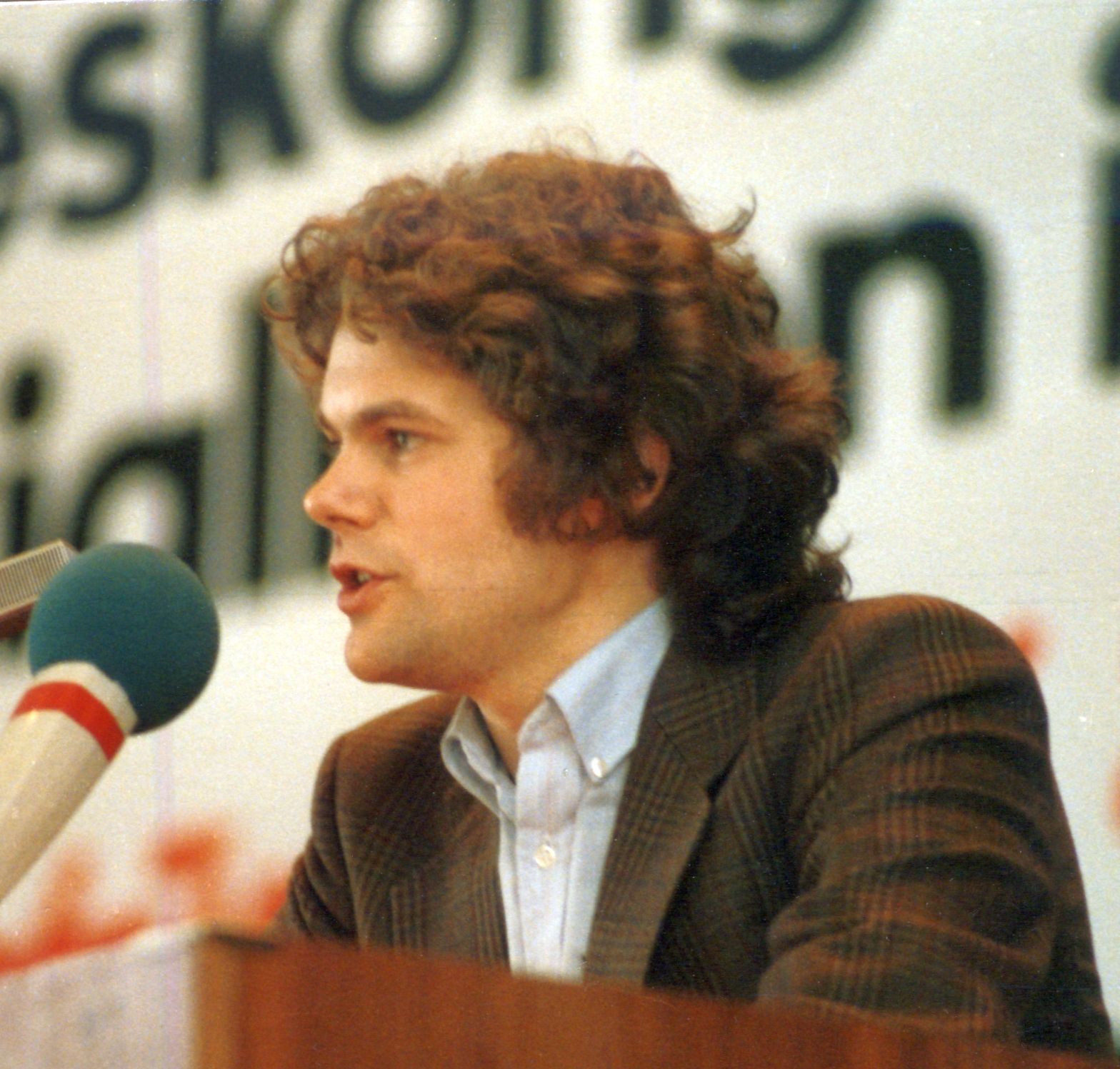
Olaf Scholz was born on June 14, 1958, in Osnabrück, Lower Saxony, but spent his formative years in Hamburg’s Rahlstedt district. His parents, Gerhard and Christel Scholz, were employed in the textile industry. He is the eldest of three brothers; his younger siblings are Jens Scholz, an anesthesiologist and CEO of the University Medical Center Schleswig Holstein, and Ingo Scholz, a technology entrepreneur. His family’s background was rooted in the working world, with his grandfather having been a railway worker. Scholz’s political consciousness was awakened early, and he became involved in student politics as a high school student representative. Influenced by prominent SPD figures like Willy Brandt and Helmut Schmidt, his political leanings were established at a young age. After completing his high school education (Abitur) in 1977, Scholz embarked on his legal studies at the University of Hamburg in 1978. During his university years, he was deeply involved with the Jusos, the youth organization of the SPD, where he served as Deputy Federal Chairman from 1982 to 1988. In his youth, he identified with the more radical, Marxist wing of the party, advocating for the “overcoming of the capitalist economy.” He completed his law degree in 1985 and subsequently established himself as a lawyer specializing in labor and employment law.
Olaf Scholz’s Career
Olaf Scholz’s political career is extensive, marked by a steady ascent through the ranks of the Social Democratic Party (SPD) and the German government. He joined the SPD in 1975 at the age of 17. After practicing as a lawyer specializing in labor law, he entered electoral politics in 1998, winning a seat in the German federal parliament, the Bundestag, representing Hamburg-Altona. His initial tenure in the Bundestag lasted until 2001, during which he served on the Committee for Labour and Social Matters. In 2001, he briefly took on the role of Senator for the Interior in the Hamburg state government. A key early role was his appointment as General Secretary of the SPD in 2002 under then-Chancellor Gerhard Schröder. In this position, he was tasked with defending the government’s controversial “Agenda 2010” labor market reforms. His often dry and mechanical communication style during this period earned him the enduring nickname “Scholzomat.”
From 2007 to 2009, Scholz served in Chancellor Angela Merkel’s first grand coalition government as the Federal Minister of Labour and Social Affairs. Following the SPD’s departure from government after the 2009 election, he became the deputy leader of the SPD parliamentary group. A significant breakthrough in his career came in 2011 when he led the SPD to a resounding victory in the Hamburg state election, becoming the First Mayor of Hamburg. He served in this capacity until 2018, focusing on issues like housing and infrastructure. His time as mayor was also marked by the controversial G20 summit in 2017, where he faced criticism for his handling of large-scale protests and riots.
Scholz returned to federal politics in 2018, becoming a pivotal figure in Merkel’s fourth and final government as Vice Chancellor and Federal Minister of Finance. In this dual role, he gained a reputation as a steady hand, particularly for his management of Germany’s massive economic aid packages during the COVID-19 pandemic. His calm demeanor and experience positioned him as a natural successor to Merkel’s style of leadership. In 2020, the SPD nominated him as their candidate for Chancellor for the 2021 federal election. Against initial expectations, he led the party to a narrow victory. Following successful coalition negotiations with the Green Party and the Free Democratic Party (FDP), Olaf Scholz was elected and sworn in as the ninth Chancellor of the Federal Republic of Germany on December 8, 2021.
His chancellorship was immediately confronted by major crises, most notably Russia’s full-scale invasion of Ukraine in February 2022. This event prompted Scholz to announce a “Zeitenwende” (turning point), which included a dramatic increase in military spending and a shift in foreign policy. His government also navigated the ensuing energy crisis and high inflation. However, his coalition government faced internal strife, which ultimately collapsed in November 2024. After losing a vote of confidence in December 2024, a snap election was held in February 2025, where the SPD placed third. This led to the end of his term as Chancellor in May 2025.
Olaf Scholz Personal Life & Family
Olaf Scholz maintains a relatively private personal life. He has been married to Britta Ernst, a fellow SPD politician, since 1998. The couple, who have no children, reside in Potsdam. Britta Ernst has had a distinguished political career of her own, serving as the State Minister for Education in Brandenburg until her resignation in April 2023, and previously as the School Minister in Schleswig-Holstein. Scholz was raised in the Protestant Church but is no longer a member and is the first German Chancellor to be unaffiliated with any church. During his inauguration as chancellor, he notably omitted the optional phrase “so help me God” from his oath of office, a choice also made by his mentor, Gerhard Schröder. Despite his secular stance, he has spoken about the importance of Germany’s Christian heritage and culture. His father, Gerhard Scholz, revealed that his son had ambitions to become chancellor from the age of 12. The Olaf Scholz husband/wife dynamic is one of two politically active individuals who have navigated high-profile careers. There is no publicly available information regarding any other past relationships or affairs (gf/bf).
Awards and Achievements of Olaf Scholz
While Olaf Scholz has not been the recipient of numerous formal awards or state honors, his career is marked by a series of significant political achievements and appointments to the highest offices in German politics. His primary achievements include:

- Chancellor of Germany (2021-2025): Leading the German government and navigating major international and domestic crises.
- Vice Chancellor and Federal Minister of Finance (2018-2021): Holding two of the most powerful positions in the German federal government simultaneously.
- First Mayor of Hamburg (2011-2018): Governing Germany’s second-largest city and a major European port.
- Federal Minister of Labour and Social Affairs (2007-2009): Overseeing a crucial ministry in Angela Merkel’s first grand coalition.
- Großer Zapfenstreich (Grand Tattoo): He was honored with this traditional military farewell ceremony in May 2025, marking the end of his chancellorship. This is the highest military honor for a civilian.
Olaf Scholz Net Worth and Income
Estimates of Olaf Scholz’s net worth vary among different sources. As of 2025, the Olaf Scholz net worth is estimated to be around €4 million to $5 million. His wealth has been accumulated primarily through his long and successful career in high-level political offices. As Chancellor, his annual salary was approximately €360,000, composed of his official salary, various allowances, and a reduced stipend as a member of the Bundestag. Before becoming Chancellor, he also earned substantial salaries as Vice Chancellor and Federal Minister of Finance, First Mayor of Hamburg, and as a Federal Minister and Member of Parliament in earlier years. There are no public records of significant income from sources outside of his political activities. His financial standing is considered substantial but not atypical for a career politician of his stature in Germany, reflecting a political culture where public service is the primary focus.
Legacy and Influence
Olaf Scholz’s legacy is that of a pragmatic and experienced, if sometimes uncharismatic, leader who governed Germany during a period of immense upheaval. His chancellorship will be inextricably linked to the “Zeitenwende,” the historic shift in German foreign and defense policy he announced in response to Russia’s invasion of Ukraine. This marked a departure from decades of German post-war policy and will have lasting implications for the country’s role in Europe and the world. He is also credited with navigating Germany through the immediate economic fallout of the war and the subsequent energy crisis, employing massive financial aid packages, a strategy reminiscent of his approach during the COVID-19 pandemic as Finance Minister. His supporters view him as a steady and reliable crisis manager, a successor to the stability of the Merkel era. However, critics point to a perceived lack of strong leadership and communication, often citing his “Scholzomat” persona as a hindrance to inspiring public confidence. The eventual collapse of his three-party coalition government also raises questions about his ability to manage complex political alliances. His influence lies in steering Germany through a critical juncture, forcing a national reassessment of its security and energy policies, though the long-term success of these shifts remains to be seen.
Interesting Facts about Olaf Scholz
- He was given the nickname “Scholzomat,” a portmanteau of “Scholz” and “Automat” (machine), early in his career due to his tendency to speak in a robotic and repetitive manner when defending party policies.
- As a young socialist in the 1980s, he held far-left views, criticizing NATO and advocating for overcoming the “capitalist economy.”
- He is an avid jogger, a habit he has maintained for many years, and also enjoys rowing and hiking.
- He told his father at the age of 12 that he wanted to become German Chancellor one day.
- Scholz is the first German Chancellor to not be a member of any church while in office.
- He is known for his remarkable self-confidence and has been described as having a “Smurf-like grin,” once quipping in response that Smurfs are “small, cunning and always win.”
Controversies
Throughout his long career, Olaf Scholz has been connected to several significant controversies. One of the most prominent is the “Cum-Ex” tax fraud scandal. The affair involved a scheme where banks and investors exploited a legal loophole to claim multiple refunds on taxes that were only paid once, costing the state billions. During Scholz’s time as Mayor of Hamburg, the city’s tax authorities initially dropped a demand for a €47 million repayment from the private bank M.M. Warburg, a key player in the scandal. Questions arose about meetings Scholz had with the bank’s co-owner, Christian Olearius. Scholz has consistently denied exerting any political influence on the tax office’s decision and has claimed he cannot recall the specific content of their conversations, a stance that has drawn considerable public and political scrutiny.
Another major controversy was the collapse of the payment company Wirecard, which happened while Scholz was Federal Minister of Finance. He faced criticism for the failure of the Federal Financial Supervisory Authority (BaFin), which fell under his ministry’s oversight, to detect the massive fraud at Wirecard sooner. Scholz defended his ministry’s actions but faced a parliamentary inquiry into the matter. Earlier in his career, as Hamburg’s Interior Senator in 2001, he supported the controversial practice of forcing suspected drug dealers to vomit by administering emetics to retrieve evidence. This practice was later ruled illegal by the European Court of Human Rights as a form of degrading treatment.
Social Media Presence
- Instagram – His official Chancellor account (@bundeskanzler) has approximately 2 million followers.
- Twitter (X) – His official Chancellor account (@bundeskanzler) has nearly 1 million followers. His personal account (@OlafScholz) is also active.
- YouTube – Not publicly available
- Facebook – He maintains an official Facebook page with a significant following.
- TikTok – In April 2024, the government launched a TikTok account (@teambundeskanzler) to reach younger citizens, with Scholz promising he would not be seen dancing on the platform.
Final Words about Olaf Scholz
Olaf Scholz’s political journey from a young, left-wing activist to the pragmatic, centrist leader of Germany is a testament to his adaptability and enduring ambition. His chancellorship, though relatively short, coincided with a period of historic challenges that forced a fundamental rethinking of Germany’s place in the world. As the leader who declared the “Zeitenwende,” he initiated policy shifts in defense and energy that will shape the nation for years to come. While praised for his calm crisis management, he was also criticized for a communication style that often failed to connect with the public and for his government’s internal divisions. Having left the chancellery in May 2025, his legacy will be debated: was he the steady hand Germany needed in a storm, or a transitional leader who struggled to forge a new path? His future role in German politics remains to be seen, but his impact as the chancellor who presided over a pivotal turning point in the nation’s post-reunification history is undeniable. The Olaf Scholz wiki will remember him as a figure of consequence, a quiet but determined politician who led Germany through the end of an era and the turbulent beginning of a new one.