Brief Introduction of Hirokazu Koreeda
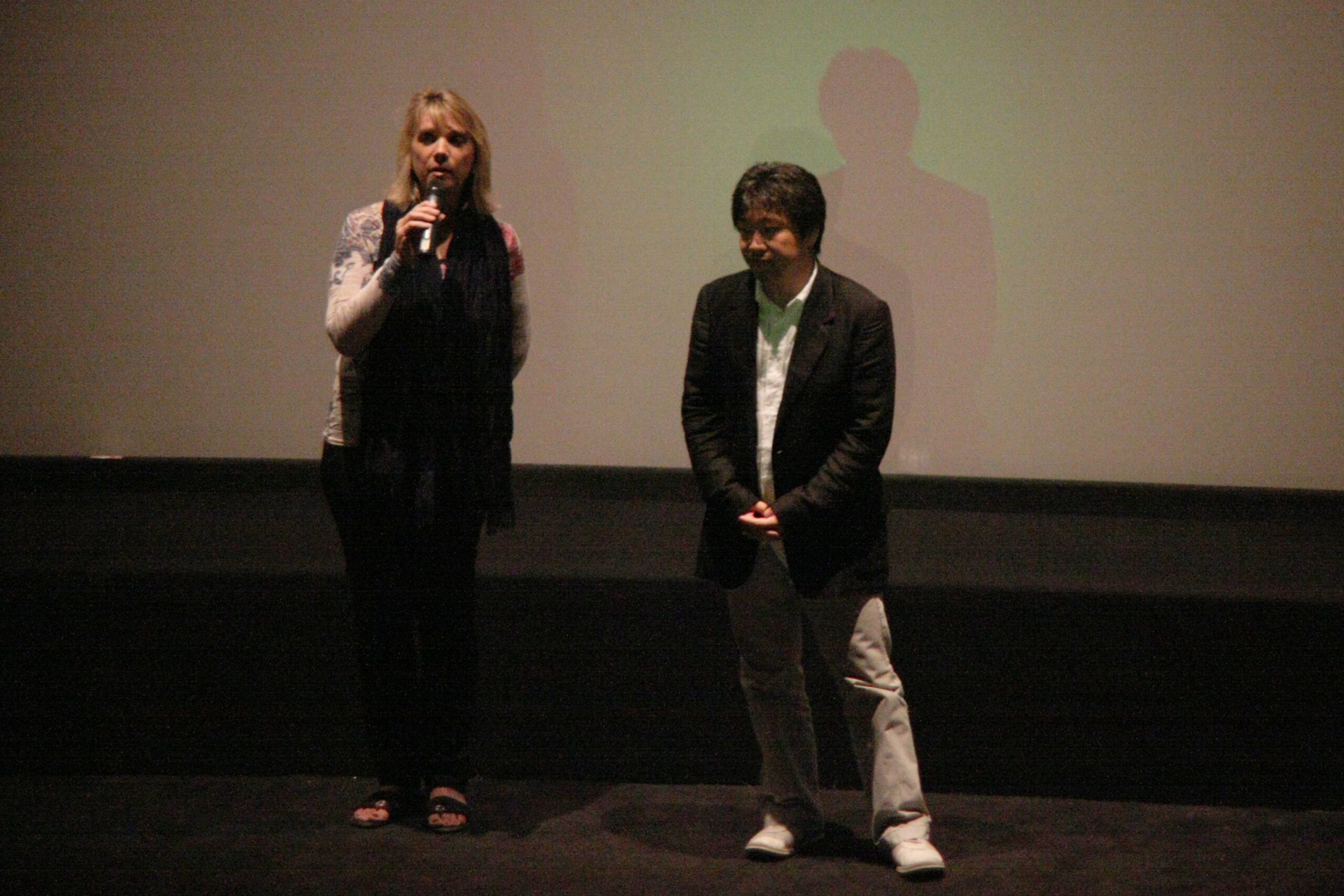
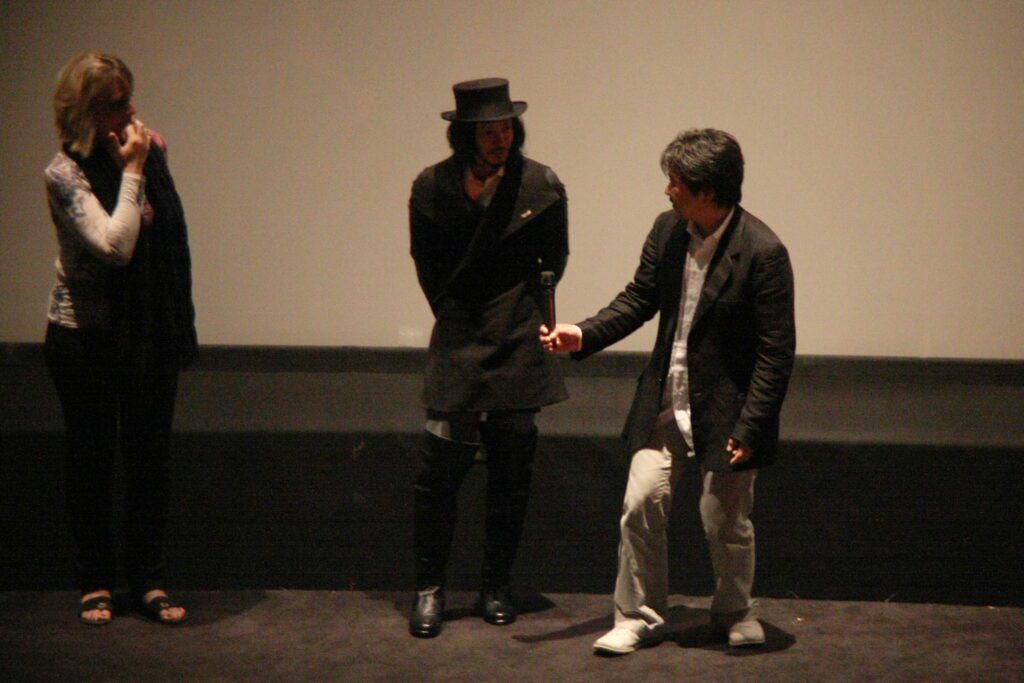
Hirokazu Koreeda is a globally acclaimed Japanese film director, screenwriter, producer, and editor, celebrated for his intimate and humanistic storytelling. He began his career in television documentaries, a foundation that deeply informs the realistic and observational style of his narrative films. Koreeda’s work consistently explores profound themes of family, memory, loss, and the complexities of human connection, often focusing on non-traditional family structures and societal margins. He has garnered significant international recognition, most notably winning the Palme d’Or at the Cannes Film Festival for “Shoplifters” in 2018, which was also nominated for an Academy Award. His films, such as “Nobody Knows,” “Still Walking,” and “Like Father, Like Son,” are praised for their gentle pacing, emotional depth, and nuanced portrayal of everyday life, cementing his status as one of contemporary cinema’s most vital and empathetic voices.
Hirokazu Koreeda Overview
| Full Name | Hirokazu Koreeda (是枝 裕和) |
| Date of Birth | June 6, 1962 |
| Age(as of 2025) | 63 |
| Birthplace | Nerima, Tokyo, Japan |
| Profession | Film director, screenwriter, producer, editor |
| Husband/Wife | Not publicly available |
| Family | Has one daughter. |
| Relationship/Affairs(GF/BF) | Information not disclosed. |
| Net Worth | Not publicly available |
Early Life and Education of Hirokazu Koreeda
Hirokazu Koreeda was born on June 6, 1962, in Nerima, Tokyo, Japan, as the youngest of three children. His childhood was shaped by post-war Japan’s rapid economic growth. A significant part of his family history is rooted in Taiwan, where his paternal grandparents had eloped to marry because they shared the same last name, a union not permitted in Japan at the time. His father was born in Taiwan and was later conscripted into the Japanese military during World War II, spending three years detained in Siberia after the war. Koreeda developed a deep love for cinema from an early age, largely influenced by his mother, an avid film enthusiast who adored classic Hollywood actresses like Ingrid Bergman and Joan Fontaine. They frequently watched movies together on television, an experience that ignited his lifelong passion for storytelling. After graduating from Waseda University in 1987 with a degree in literature, Koreeda initially aspired to be a novelist before embarking on his filmmaking journey.
Hirokazu Koreeda’s Career
Hirokazu Koreeda began his career not in feature films, but in television, joining TV Man Union after his university graduation. He started as an assistant director for television documentaries, a formative experience that would profoundly shape his cinematic style. His directorial debut came in 1991 with the television documentary “Lessons from a Calf.” He directed several other documentaries, including “August without Him” (1994), a poignant work about a man living with AIDS. This background in documentary filmmaking instilled in him a keen sense of realism and an observational approach to storytelling that would become his signature.
In 1995, Koreeda transitioned to fiction with his debut feature film, “Maborosi.” The film premiered at the Venice Film Festival and immediately garnered international attention, winning a Golden Osella for Best Cinematography. This marked the arrival of a major new voice in Japanese cinema. His second feature, “After Life” (1998), further solidified his reputation. A fantasy drama that blurs the line between documentary and fiction, it received widespread critical acclaim and was distributed in over 30 countries.
Throughout the 2000s, Koreeda continued to explore complex family dynamics and social issues. “Nobody Knows” (2004), based on a true story of child abandonment, was a major breakthrough. Its young lead, Yuya Yagira, became the youngest-ever winner of the Best Actor award at the Cannes Film Festival. His 2008 film “Still Walking” is a deeply personal and masterful portrait of a family gathering, partly inspired by his own experiences and the death of his parents.
The following decade saw Koreeda’s international stature grow exponentially. “Like Father, Like Son” (2013), a sensitive drama about two families who discover their sons were switched at birth, won the Jury Prize at the Cannes Film Festival. He continued his exploration of family with “Our Little Sister” (2015) and “After the Storm” (2016). However, it was “Shoplifters” (2018) that brought him the highest honor of his career. The film, about a makeshift family of petty criminals who take in an abused young girl, won the prestigious Palme d’Or at the Cannes Film Festival and earned an Academy Award nomination for Best Foreign Language Film.
Following this monumental success, Koreeda has ventured into international productions. He directed his first French-language film, “The Truth” (2019), starring Catherine Deneuve and Juliette Binoche, and the Korean-language film “Broker” (2022), which also competed for the Palme d’Or. His 2023 film “Monster” won the Best Screenplay award at Cannes. He has also worked in television, creating the Netflix series “The Makanai: Cooking for the Maiko House” (2023) and “Asura” (2025). His upcoming projects include “Sheep in the Box” and a live-action adaptation of the manga “Look Back,” both anticipated for 2026.
Hirokazu Koreeda Personal Life & Family
Hirokazu Koreeda is known for being private about his personal life. He is married and has one daughter, who was born around 2007. The experience of becoming a father, as well as the loss of his own parents, has significantly influenced the themes in his work, particularly his nuanced explorations of family dynamics. In interviews, he has noted how fatherhood reshaped his perspective, informing the portrayals of parental struggles and the shifting viewpoints in his films like “Still Walking” and “Like Father, Like Son.” He has described his own father as a less dominant figure in his upbringing compared to his mother and two older sisters. Koreeda’s family history, particularly his father’s experiences during and after World War II and his grandparents’ move to Taiwan, has also provided a rich backdrop to his personal and creative identity. He has expressed a long-standing desire to make a film about his father’s experiences. For more on Hirokazu Koreeda’s biography and personal journey, this Hirokazu Koreeda wiki provides a comprehensive overview.
Awards and Achievements of Hirokazu Koreeda
- Palme d’Or, Cannes Film Festival for “Shoplifters” (2018)
- Jury Prize, Cannes Film Festival for “Like Father, Like Son” (2013)
- Best Screenplay Award, Cannes Film Festival for “Monster” (2023)
- Queer Palm, Cannes Film Festival for “Monster” (2023)
- Prize of the Ecumenical Jury, Cannes Film Festival for “Broker” (2022)
- Donostia Award for lifetime achievement, San Sebastián International Film Festival (2018)
- Golden Osella for Best Cinematography, Venice Film Festival for “Maborosi” (1995)
- Japan Academy Prize for Director of the Year for “Our Little Sister” (2016) and “The Third Murder” (2018)
- Japan Academy Prize for Picture of the Year for “Our Little Sister” (2016) and “Shoplifters” (2019)
- Asian Film Award for Best Director for “Still Walking” (2009)
- Blue Ribbon Awards for Best Film and Best Director for “Nobody Knows” (2005)
- Best Film and Best Screenplay, Buenos Aires International Festival of Independent Cinema for “After Life” (1999)
Hirokazu Koreeda Net Worth and Income
Information regarding the specific figure for Hirokazu Koreeda net worth is not publicly available. His income is primarily derived from his successful and prolific career as a film director, screenwriter, and producer. His films, particularly internationally acclaimed works like the Palme d’Or winner “Shoplifters,” have achieved significant box office success worldwide, contributing to his earnings. Additionally, he generates income from his work on television series, such as those produced for Netflix. He also founded his own production company, BUN-BUKU, in 2014, which serves as another source of income through the development and production of his own films and those of other emerging directors.

Legacy and Influence
Hirokazu Koreeda is widely regarded as one of the most important Japanese filmmakers of his generation and a master of contemporary humanist cinema. His legacy is defined by his patient, empathetic, and deeply insightful explorations of the family unit in all its forms, from biological and broken to makeshift and chosen. Often compared to cinematic giants like Yasujirō Ozu and Mikio Naruse for his focus on domestic life, Koreeda has carved out a unique style that blends the realism of his documentary background with a tender, lyrical narrative approach. His films are celebrated for their subtle storytelling, avoidance of melodrama, and focus on the small, quiet moments that reveal profound emotional truths. Koreeda’s influence extends to his ability to draw remarkably naturalistic performances, especially from child actors, a skill that earned him renown with “Nobody Knows.” He actively champions emerging filmmakers and has criticized the risk-averse nature of the modern Japanese film industry, advocating for more original stories with international appeal. Through his work, Koreeda consistently gives voice to the marginalized and makes visible those who exist on the fringes of society, offering a quiet critique of societal norms and government indifference.
Interesting Facts about Hirokazu Koreeda
- He initially wanted to be a novelist before pursuing a career in filmmaking.
- His love for movies was nurtured by his mother, with whom he frequently watched classic films starring actresses like Ingrid Bergman and Vivien Leigh.
- Koreeda’s paternal grandparents had to elope to Taiwan to get married because Japanese law forbade marriage between people with the same surname.
- He is a master at directing children, a reputation cemented by the fact that 14-year-old Yuya Yagira became the youngest winner of the Best Actor award at Cannes for his role in Koreeda’s “Nobody Knows.”
- His 2008 film “Still Walking” is largely autobiographical, reflecting on his own family and experiences following the death of his mother.
- Beyond his own directing, he established the production company BUN-BUKU in 2014 to produce his own work and support younger directors.
- He does not consider himself the sole “boss” on his film sets, viewing the cast and crew as a temporary family unit working toward a common goal.
- He is an admirer of the British director Ken Loach, seeing parallels in their focus on social issues and their critical stance toward government policies.
Controversies
Hirokazu Koreeda has maintained a career largely free of personal scandal, but he has engaged in public discourse regarding political and social issues. In 2018, after “Shoplifters” won the Palme d’Or, a controversy arose when it was noted that then-Prime Minister Shinzō Abe did not publicly congratulate him, leading to speculation it was due to the film’s critical portrayal of Japanese society and poverty. Koreeda, who is publicly critical of certain government policies, declined an invitation to a celebration from the education minister, stating his desire to maintain distance from state power. In 2019, amidst diplomatic tensions between Japan and South Korea, he attended the Busan International Film Festival, emphasizing the importance of cultural solidarity to overcome political problems. More recently, in 2022, Koreeda was among a group of prominent Japanese directors who signed a petition denouncing sexual abuse within the Japanese film industry and calling for an end to such misconduct.
Social Media Presence
- Instagram – Not publicly available
- Twitter – @hkoreeda
- YouTube – Not publicly available
Final Words about Hirokazu Koreeda
Hirokazu Koreeda continues to be a formidable and vital presence in international cinema. His career, built on a foundation of documentary realism and narrative sensitivity, has firmly established him as a chronicler of the human heart, particularly within the intricate web of family. With each film, he challenges and expands the definition of what constitutes a family, finding grace and profound connection in the most unconventional of bonds. His quiet, observational style invites audiences to look closer at the ordinary, revealing the deep emotional currents that run beneath the surface of everyday life. As he moves forward with international productions and nurtures new talent, Koreeda’s legacy is not only that of a master storyteller but also of a conscientious artist who uses his platform to illuminate hidden lives and advocate for a more empathetic understanding of society. His future projects, including “Sheep in the Box” and “Look Back,” are eagerly awaited, promising further explorations of the delicate, resilient, and ever-evolving nature of human relationships.