
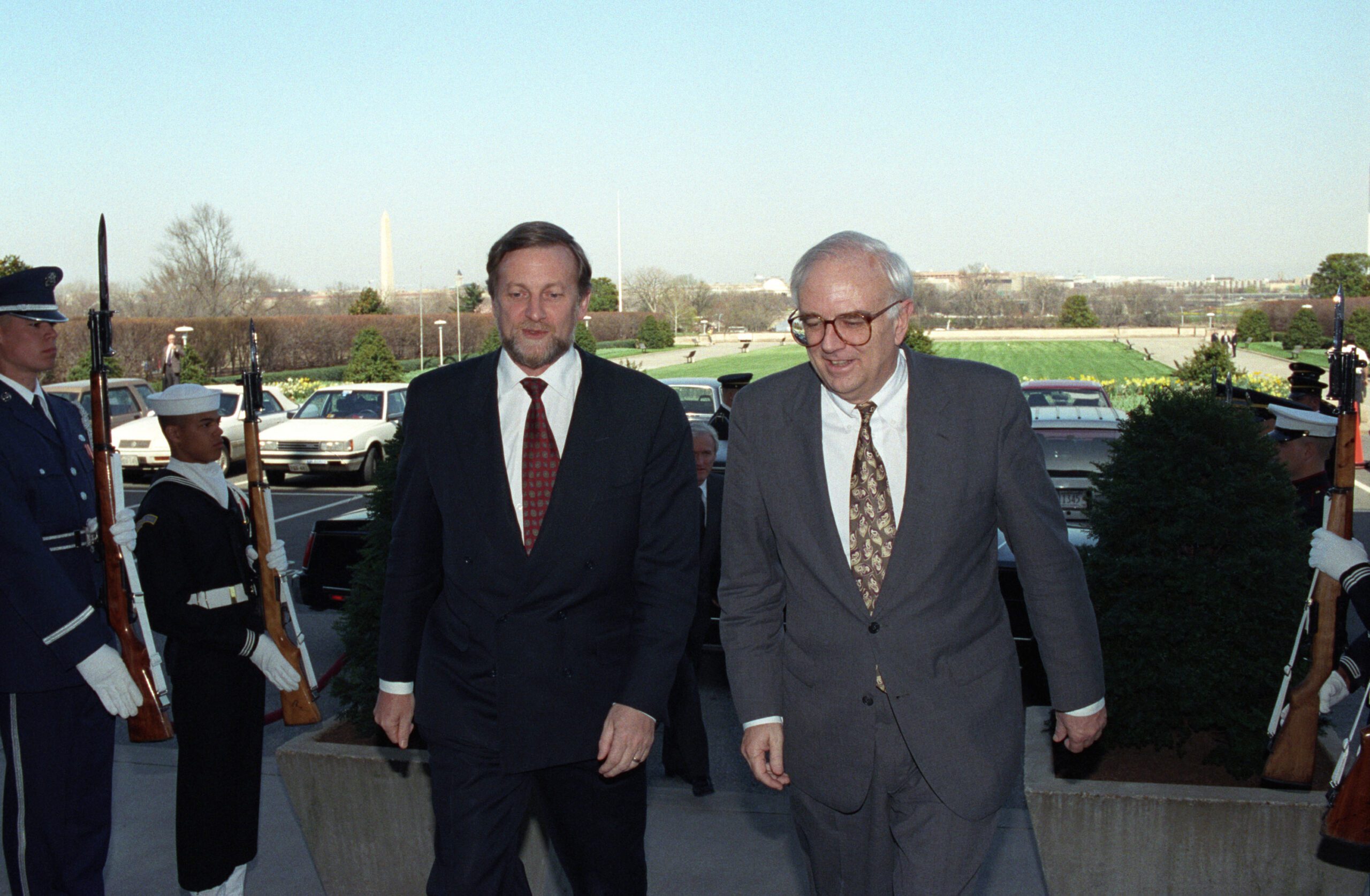
Brief Introduction of Gareth Evans
Gareth Huw Evans is a highly acclaimed Welsh film director, screenwriter, editor, and action choreographer who has carved a significant niche in the global film industry. He is renowned for his visceral, kinetic, and intensely choreographed action sequences that have redefined the genre for a modern audience. Evans is most famous for his work on the Indonesian action films Merantau, The Raid, and its sequel, The Raid 2. Through these films, he was instrumental in popularizing the Indonesian martial art of Pencak Silat on an international scale. His distinct visual style, which often involves complex camera work and long takes during fight scenes, has garnered critical acclaim and a dedicated global fanbase. Beyond his signature Indonesian films, Evans has demonstrated his versatility with projects like the folk horror film Apostle and the critically praised crime drama series Gangs of London, showcasing a deep understanding of tension, character, and narrative far beyond the confines of action cinema.
Gareth Evans Overview
| Full Name | Gareth Huw Evans |
| Date of Birth | April 6, 1980 |
| Age(as of 2025) | 45 |
| Birthplace | Hirwaun, Cynon Valley, Wales |
| Profession | Film Director, Screenwriter, Editor, Action Choreographer |
| Husband/Wife | Maya Barack-Evans |
| Family | Information not disclosed |
| Relationship/Affairs(GF/BF) | Married |
| Net Worth | Not publicly available |
Early Life and Education of Gareth Evans
Gareth Huw Evans was born and raised in Hirwaun, a village in the Cynon Valley of Wales. From a young age, Evans was captivated by the world of cinema. His earliest cinematic memories include watching films like Teen Wolf and Karate Kid 2. Growing up, he and his friends would often recreate scenes from their favorite action movies, such as Fist of Fury and Big Trouble in Little China, with Evans harboring early aspirations of becoming an actor in the mold of his heroes, Jackie Chan and Bruce Lee. This formative passion for martial arts and action filmmaking would become a cornerstone of his professional career. Recognizing that his true calling was behind the camera, Evans pursued a formal education in filmmaking. He attended the University of Glamorgan, now known as the University of South Wales, where he earned a Master of Arts degree in Screenwriting. This academic background provided him with a strong foundation in narrative structure and character development, skills that would later set his action films apart from many of their contemporaries. After completing his studies, his initial career path was more conventional; he took a nine-to-five job creating educational CD-ROMs in Cardiff. However, the ambition to direct films never waned. He dedicated his free time to smaller video projects and, with the support of an understanding boss, was able to take time off to direct his first, self-funded feature film, a low-budget project titled Footsteps.
Gareth Evans’s Career
Gareth Evans’s career trajectory is a fascinating story of talent meeting opportunity in an unexpected corner of the world. His professional journey began modestly after university with his first feature, Footsteps (2006), a small-budget film that served as a crucial learning experience. The pivotal moment in his career arrived when he was hired to direct a documentary about the Indonesian martial art, Pencak Silat. This project not only introduced him to a discipline he would become fascinated with but also led him to discover Iko Uwais, a gifted martial artist then working as a delivery driver for a phone company. This meeting proved to be a catalyst, sparking a collaborative partnership that would launch both of their international careers.
Intrigued by the cinematic potential of Pencak Silat and inspired by the talent he had found, Evans, along with his Indonesian-Japanese wife and producer Maya Barack-Evans, relocated to Indonesia. There, he immersed himself in the culture and the martial art, leading to his first major film, Merantau (2009). The film starred Iko Uwais and was a powerful showcase for Pencak Silat, blending traditional themes with a modern action aesthetic. Drawing from his own feelings of being away from home, Evans infused the narrative with a sense of displacement, connecting with the main character’s journey to a new city. The film became a cult hit and laid the groundwork for what was to come.
Evans’s international breakthrough came with his next feature, The Raid (released as The Raid: Redemption in some territories) in 2011. Initially, he had planned a much larger-scale action film, but budget constraints forced him to scale down the concept to a more contained, high-concept premise: a police squad fighting their way through a high-rise apartment block run by a ruthless crime lord. The result was a masterpiece of action filmmaking. The film’s relentless pace, innovative and brutal fight choreography, and claustrophobic tension earned it widespread critical acclaim and top honors at various film festivals, including the Midnight Madness Award at the Toronto International Film Festival. The Raid was a global success and is widely regarded as one of the best action films of the 21st century.
The success of The Raid allowed Evans to realize his initial, more ambitious vision with the sequel, The Raid 2 (2014). This film dramatically expanded the scope of the original, featuring a more complex narrative of undercover police work and warring criminal factions, and even more elaborate and jaw-dropping action set pieces. It further cemented Evans’s reputation as a master of the action genre. After the intense production of the sequel, Evans and his family moved back to Wales in 2015. Following his return, he shifted gears to direct the folk horror film Apostle (2018), starring Dan Stevens and Michael Sheen. The film, shot in Wales and released by Netflix, demonstrated Evans’s directorial range and his ability to build suspense and atmosphere outside of martial arts-centric stories.
His next major project was as the co-creator, alongside his long-time collaborator Matt Flannery, of the television series Gangs of London (2020-present). The Sky Atlantic/AMC production blended a complex family crime drama with the kind of brutal, inventive action sequences that had become his trademark, earning critical praise and becoming a significant hit. This success led to a more formal and significant partnership with a major streaming platform. In February 2021, it was announced that Evans had signed an exclusive multi-film deal with Netflix to produce and direct features. The first film under this new partnership is the action thriller Havoc, starring Tom Hardy. After some delays, the film was given a 2025 release date. Following Havoc, Evans also completed principal photography on a reimagining of the 1967 Japanese film A Colt is My Passport, further signaling his continued creative output and influence in genre filmmaking.
Gareth Evans Personal Life & Family
Gareth Evans maintains a relatively private personal life, with limited information publicly available about his family beyond his immediate household. He is married to Maya Barack-Evans, an Indonesian-Japanese producer who has been a significant creative partner throughout his career. Their collaboration was particularly integral during their time in Indonesia, where they co-founded a production company. The couple has one daughter. For many years, the family resided in Jakarta, Indonesia, a period that was foundational to Evans’s career and his deep dive into Pencak Silat. In 2015, following the demanding production of The Raid 2, Evans and his family decided to relocate back to his home country of Wales, where they have resided since. In interviews, Evans has spoken about the importance of family, mentioning a very close relationship with his brother, which he drew upon for character inspiration in his film Merantau. Specific details regarding his parents or other family members have not been widely disclosed. His lifestyle is now based in Wales, where he continues to develop and produce film and television projects, often utilizing the Welsh landscape and production facilities.
Awards and Achievements of Gareth Evans
- In November 2011, The Raid won the Midnight Madness Award at the Toronto International Film Festival.
- In 2012, The Raid won the Audience Award and the Critics’ Choice Award at the Dublin Film Critics’ Circle Awards.
- In 2015, The Raid 2 won several awards at the FANTASPOA International Fantastic Film Festival.
Gareth Evans Net Worth and Income
As of 2025, the specific net worth of Gareth Evans is not publicly available. While he has achieved significant international success as a director, screenwriter, and producer, particularly with the highly profitable The Raid franchise and his exclusive multi-year deal with Netflix, official figures regarding his wealth have not been disclosed by credible financial sources. His income is primarily derived from his work in the film and television industry, including directing fees, writing credits, and producer profits. The financial terms of his deal with Netflix, which includes producing and directing multiple feature films such as Havoc starring Tom Hardy, are confidential but are presumed to be substantial given his status in the industry. The success of the critically acclaimed series Gangs of London also contributes to his earnings. However, without verified statements, any published net worth figures remain speculative.

Legacy and Influence
Gareth Evans’s legacy is firmly cemented in the evolution of modern action cinema. He is widely credited with revitalizing the martial arts genre in the 21st century, bringing a raw, visceral, and technically astonishing style to global audiences. His work on The Raid and its sequel is frequently cited by critics, filmmakers, and fans as a new benchmark for action choreography and direction. Evans’s innovative use of long takes, dynamic camera movement that feels embedded within the action, and the brutal authenticity of the on-screen combat have had a palpable influence on numerous action films and television shows that followed. He single-handedly brought the Indonesian martial art of Pencak Silat to the forefront of world cinema, turning its practitioners, most notably Iko Uwais, into international action stars. Beyond the action, Evans’s work is praised for its ability to weave compelling narratives and character depth amidst the spectacle, a quality evident in the intricate crime saga of Gangs of London. His success has also been a significant boon for the Welsh film industry, as he has returned to his homeland to shoot major projects like Apostle and Havoc, bringing large-scale productions and international attention to the region.
Interesting Facts about Gareth Evans
- Before his film career took off, Gareth Evans made a living by creating online resources to help people learn the Welsh language.
- He initially harbored ambitions of being an actor, inspired by martial arts legends like Bruce Lee and Jackie Chan.
- His journey into Indonesian cinema began with a freelance job directing a documentary about Pencak Silat.
- Evans co-created the acclaimed television series Gangs of London with his long-time director of photography, Matt Flannery.
- He has a close friendship with documentary filmmaker Joshua Oppenheimer, known for his work on Indonesian history.
- Evans has mentioned in interviews that he considers the first The Raid film to be a survival horror movie with action beats, highlighting his cross-genre sensibilities.
Controversies
Gareth Evans’s career has been remarkably free from major public controversies. His professional life has been characterized by a dedicated focus on his craft and a collaborative spirit, particularly with his long-time creative partners. The primary discussions surrounding his work are typically academic or critical in nature, focusing on the level of on-screen violence in his films. While the graphic and brutal nature of the action sequences in films like The Raid and the series Gangs of London is a signature of his style and celebrated by many for its realism and technical execution, it has also been a point of debate among critics and audiences regarding its intensity. However, these discussions fall within the realm of artistic critique rather than personal or professional controversy. Evans has maintained a strong professional reputation within the film industry.
Social Media Presence
- Instagram (@ghuwevans) – 113K+ followers
- Twitter (@ghuwevans) – 99K+ followers
- YouTube – Does not maintain an official, active channel for personal content.
Final Words about Gareth Evans
Gareth Evans stands as a testament to the power of a singular creative vision and the impact of cross-cultural collaboration. From his early days in Wales to his game-changing work in Indonesia, he has consistently pushed the boundaries of action filmmaking, earning a reputation as one of the most innovative directors of his generation. His journey is a unique blend of passion for classic martial arts cinema and a modern, unflinching directorial style. Now, having returned to Wales and secured a landmark deal with Netflix, Evans is poised to enter a new phase of his career. With highly anticipated projects like Havoc on the horizon, he continues to be a vital and influential voice in genre cinema. The Gareth Evans biography is one of a filmmaker who not only revitalized a genre but also built a bridge between different cinematic cultures, leaving an indelible mark on the landscape of global action films. His future projects are watched with great anticipation by a global audience eager to see how he will next redefine cinematic intensity.
 Team Dailly WikiBio