
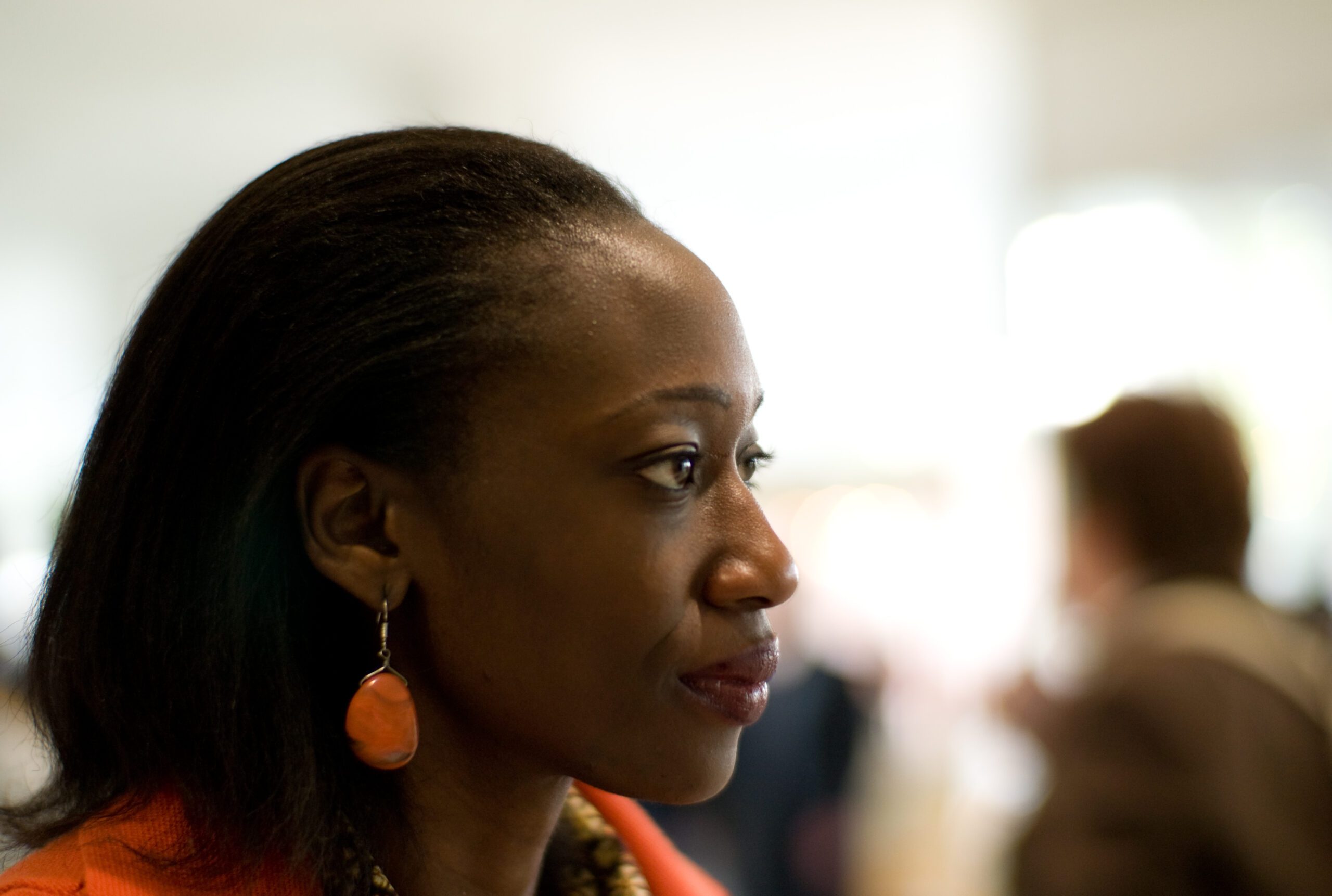
Brief Introduction of Abiola
Chief Moshood Kashimawo Olawale Abiola, popularly known as M.K.O. Abiola, was a monumental figure in Nigerian history, renowned as a highly successful businessman, publisher, philanthropist, and politician. He is most famously remembered as the presumed winner of the June 12, 1993, presidential election, which was widely acclaimed as Nigeria’s freest and fairest election. The annulment of this election by the then-military regime of General Ibrahim Babangida plunged the nation into a political crisis and cemented Abiola’s status as a powerful symbol of Nigeria’s struggle for democracy. His subsequent arrest for treason after declaring himself president and his death in detention in 1998 transformed him into a martyr for the democratic cause, leaving an indelible mark on the nation’s political consciousness.

Abiola Overview
| Full Name | Chief Moshood Kashimawo Olawale Abiola |
| Date of Birth | August 24, 1937 |
| Age(as of 2025) | Would have been 88 (Deceased: July 7, 1998) |
| Birthplace | Abeokuta, Ogun State, Nigeria |
| Profession | Businessman, Publisher, Politician, Philanthropist |
| Husband/Wife | Married to multiple wives, including Simbiat Atinuke Shoaga, Kudirat Olayinka Adeyemi, and Adebisi Olawunmi Oshin |
| Family | Fathered 55 children confirmed through DNA tests after his death |
| Relationship/Affairs(GF/BF) | Had relationships with over 40 women |
| Net Worth | Estimated to be over $1 billion at the time of his death |
Early Life and Education of Abiola
Moshood Kashimawo Olawale Abiola was born on August 24, 1937, in Abeokuta, Ogun State, into humble beginnings. His parents were Salawu Abiola, a cocoa trader, and Suliat Wuraola Abiola, who traded in kola nuts. Life was precarious; he was his father’s 23rd child but the first to survive infancy. This earned him the name “Kashimawo,” a Yoruba name meaning “Let us wait and see.” He was not formally named Moshood until he was 15 years old. From a very young age, Abiola demonstrated a remarkable entrepreneurial spirit and a strong work ethic born out of necessity. At just nine years old, he started his first business, selling firewood he gathered before school to help support his family. By the age of 15, he had formed a musical band that performed at ceremonies in exchange for food, and later payment, which he used to fund his secondary education at the prestigious Baptist Boys High School in Abeokuta. It was here that he served as the editor of the school magazine, “The Trumpeter,” with a future President of Nigeria, Olusegun Obasanjo, as his deputy.
After completing his secondary education, Abiola’s professional life began in 1956 as a bank clerk with Barclays Bank in Ibadan. He later worked as an executive accounts officer at the Western Region Finance Corporation. His ambition and intellectual prowess led him to seek higher education abroad. He received a scholarship to study at the University of Glasgow in Scotland, where he earned a first-class degree in accountancy. He further distinguished himself by gaining a distinction from the Institute of Chartered Accountants of Scotland.
Abiola’s Career
Upon his return to Nigeria, M.K.O. Abiola’s career progressed rapidly. He held senior accounting positions at the University of Lagos Teaching Hospital and Pfizer pharmaceuticals. However, his major breakthrough came when he joined the American multinational corporation, International Telephone & Telegraph (ITT) Corporation. Starting as a controller, his sharp business acumen and ability to navigate Nigeria’s complex political and economic landscape saw him rise swiftly through the ranks. He eventually became the Vice-President for Africa and the Middle-East and later the Chairman and Chief Executive of ITT Nigeria.
Parallel to his corporate success, Abiola built a sprawling and diversified business empire of his own. His investments were vast, spanning numerous sectors of the Nigerian and West African economy. His enterprises included Concord Press, which published the widely-read Concord newspapers, Wonder Bakeries, Abiola Farms, Summit Oil International Ltd, Concord Airlines, Radio Communications Nigeria, and Habib Bank, among others. These ventures created thousands of jobs and established him as one of the wealthiest and most influential business magnates in Africa. His leadership extended to key national economic institutions; he served as the President of the Nigerian Stock Exchange and was the Chairman of the G15 Business Council.
Abiola’s political journey began early, joining the National Council of Nigeria and the Cameroons (NCNC) at 19. He later became a prominent member of the ruling National Party of Nigeria (NPN) in the Second Republic. However, his most defining political chapter began during the transition to civilian rule in the early 1990s. In 1993, he contested the presidency under the Social Democratic Party (SDP) with his running mate, Baba Gana Kingibe. His campaign, themed “Hope ’93,” resonated deeply with Nigerians who were weary of military rule and economic hardship. On June 12, 1993, Nigerians turned out in large numbers in what is widely considered the nation’s most credible election. Unofficial results showed that Abiola had secured a landslide victory, transcending ethnic and religious divides by winning in 19 of the 30 states, including his opponent’s home state of Kano. The military regime, led by General Ibrahim Babangida, annulled the election before the final results were officially announced, sparking a national crisis. A year later, in 1994, Abiola declared himself the lawful president of Nigeria. This act led to his immediate arrest for treason by the regime of General Sani Abacha. He remained imprisoned for four years until his death.
Abiola Personal Life & Family
M.K.O. Abiola’s personal life was as expansive as his business and political careers. He was a polygamist and a devout Muslim who believed in providing for a large family. He married several women, with his most prominent wives being Simbiat Atinuke Shoaga, Kudirat Olayinka Adeyemi, and Adebisi Olawunmi Oshin. His second wife, Kudirat Abiola, became a fierce advocate for his release and the actualization of the June 12 mandate, a stance that tragically led to her assassination in 1996. While it was widely believed that Abiola fathered over 100 children from more than 40 women, his son, Abdulmumuni Abiola, later revealed that DNA tests conducted after his death confirmed he had 55 biological children. He was known to be a generous father who provided for the education of many children, including those who were not biologically his. Despite his immense wealth, which afforded him a lavish lifestyle with properties in Nigeria and abroad, he was deeply rooted in his Yoruba culture and was a respected aristocrat of the Egba clan. His life was guided by his philanthropic beliefs, consistently using his wealth to support communities across the nation.

Awards and Achievements of Abiola
- Grand Commander of the Order of the Federal Republic (GCFR): Nigeria’s highest national honour, conferred posthumously in 2018 by President Muhammadu Buhari in recognition of his democratic sacrifice.
- Aare Ona Kakanfo XIV of Yorubaland: The highest traditional chieftaincy title for a commoner in Yorubaland, making him the ceremonial generalissimo of the Yoruba people.
- International Businessman of the Year: Voted twice for this prestigious award.
- Golden Key to Washington D.C.: Awarded in 1987 in recognition of his influence and contributions.
- Awards from the NAACP and the King Center (USA): Honoured for his support of civil rights and liberation movements.
- 197 Traditional Titles: Conferred by 68 different communities across Nigeria in recognition of his immense philanthropic works from 1972 until his death.
Abiola Net Worth and Income
At the peak of his success in the late 1980s and early 1990s, M.K.O. Abiola was widely regarded as one of the richest men in Africa. While an exact, verified figure is difficult to ascertain, his net worth was estimated to be over $1 billion at the time of his death. This immense wealth was generated from his vast and diversified business empire. His primary sources of income included his role at ITT, and his ownership of numerous successful companies in sectors such as oil and gas (Summit Oil International Ltd), aviation (Concord Airlines), publishing (Concord Press), banking (Habib Bank), large-scale farming (Abiola Farms), and communications (Radio Communications Nigeria). Abiola’s financial success was a testament to his exceptional business acumen and his ability to identify and capitalize on opportunities within Nigeria and across West Africa.
Legacy and Influence
M.K.O. Abiola’s legacy is profoundly intertwined with Nigeria’s democratic evolution. He is celebrated as a martyr for democracy whose sacrifice ultimately paved the way for the end of military rule and the return to civilian governance in 1999. The annulled June 12, 1993, election remains a watershed moment in the nation’s history, symbolizing the collective will of the people for a democratic future. In a historic move in 2018, the Nigerian government officially acknowledged his contribution by posthumously awarding him the nation’s highest honor, the GCFR, an award typically reserved for heads of state. Furthermore, June 12 was declared as the new Democracy Day in Nigeria, permanently cementing Abiola’s place in the nation’s political history. His political philosophy, which championed economic empowerment, social justice, and national unity, continues to influence political discourse in Nigeria. Beyond politics, he is remembered as one of Africa’s greatest philanthropists, having funded the construction of 63 secondary schools, 121 mosques and churches, and 41 libraries across Nigeria. His support for sports earned him the title “Pillar of Sports in Africa.”
Interesting Facts about Abiola
- His first name, Kashimawo, meaning “Let us wait and see,” was given because he was the first of his father’s 23 children to survive infancy.
- He started his first business at the age of nine, selling firewood to support his family.
- While at Baptist Boys High School, Abiola was the editor of the school magazine, and future Nigerian President Olusegun Obasanjo was his deputy editor.
- He was a passionate advocate for reparations for slavery and colonialism, personally lobbying international heads of state on the issue.
- He was conferred with 197 traditional titles from various communities across Nigeria for his extensive philanthropic work.
- In the 1993 election, he defeated his opponent, Bashir Tofa, even in Tofa’s home state of Kano, a rare feat that demonstrated his pan-Nigerian appeal.
Controversies
The central controversy of M.K.O. Abiola’s life was the annulment of the June 12, 1993 presidential election, which he was poised to win. The military government’s decision to void the election results was met with widespread condemnation and led to a protracted political crisis. His subsequent declaration of himself as president in 1994, though seen as a courageous act by his supporters, was officially deemed an act of treason by the Abacha regime, leading to his four-year imprisonment. The circumstances surrounding his death on July 7, 1998, have also remained a subject of controversy. He died of a heart attack while in a meeting with a U.S. delegation, on the very day he was scheduled to be released. While an official autopsy confirmed death by natural causes, a massive heart failure, claims and suspicions of foul play, including poisoning or physical assault, have persisted for years.
Social Media Presence
- Instagram – Not applicable
- Twitter – Not applicable
- YouTube – Not applicable
Final Words about Abiola
Chief Moshood Kashimawo Olawale Abiola remains one of the most significant and revered figures in modern Nigerian history. His journey from a humble background in Abeokuta to the pinnacle of business and politics is a powerful story of resilience and ambition. While he never officially held the presidential office he won, his name is synonymous with the fight for democracy in Nigeria. His unwavering refusal to renounce his mandate, even at the cost of his freedom and ultimately his life, solidified his legacy as a democratic icon. Today, M.K.O. Abiola is remembered not just for the wealth he created or the businesses he built, but as a symbol of hope and the enduring power of the people’s will. The national recognition of June 12 as Democracy Day ensures that his sacrifices, and the democratic ideals he stood for, will not be forgotten by future generations of Nigerians.