
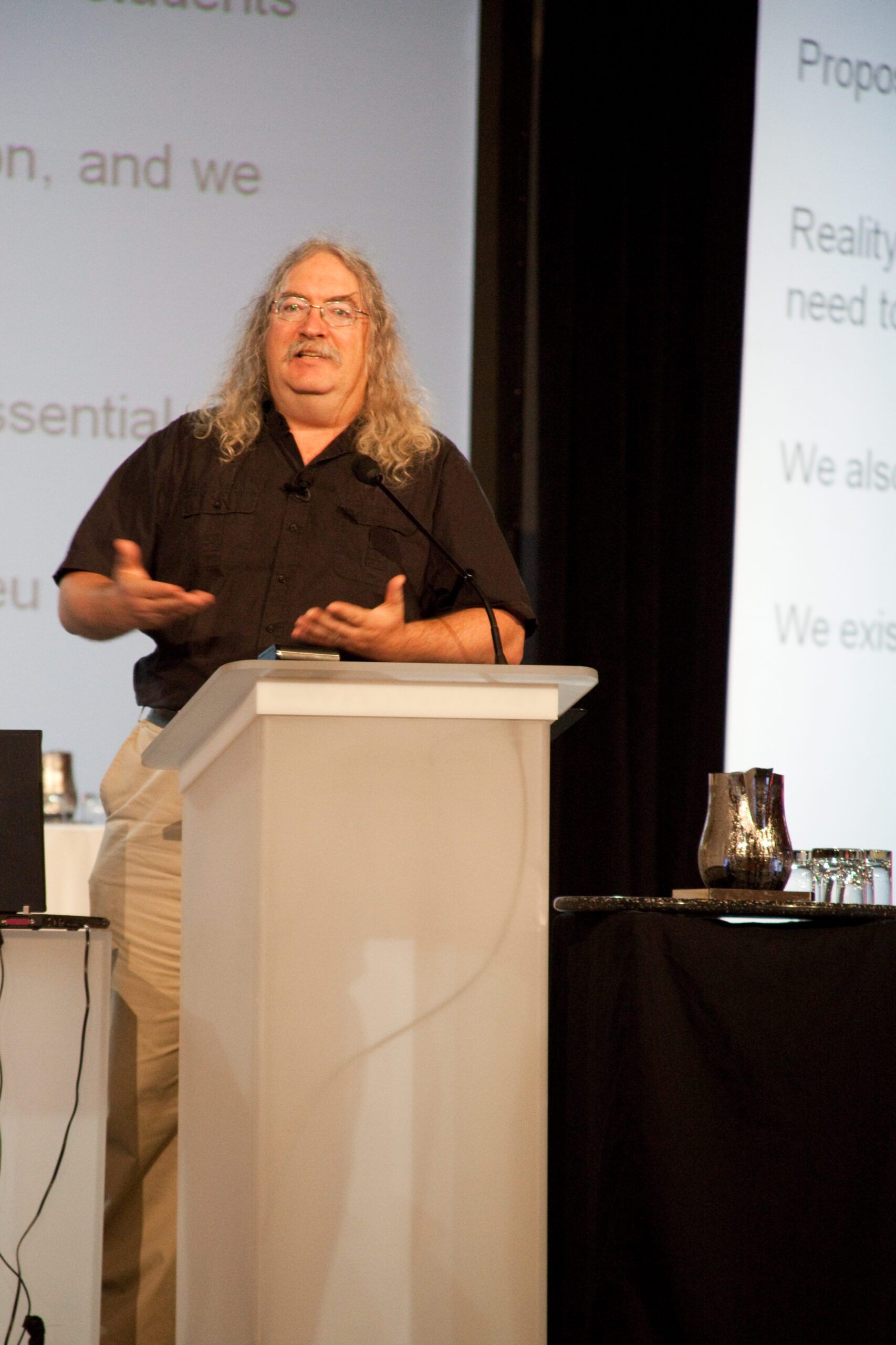
Brief Introduction of Stephen Downing
Stephen Downing was a multifaceted American figure, known for his remarkable dual careers as a high-ranking Los Angeles Police Department (LAPD) officer and a prolific Hollywood screenwriter and producer. His extensive work in television, spanning over 500 hours of content, includes iconic shows such as MacGyver, T. J. Hooker, and RoboCop: The Series. Downing famously began his screenwriting career in the 1960s while still an active police officer, using various pseudonyms to avoid departmental scrutiny. After retiring from the LAPD with the rank of Deputy Chief, he dedicated himself to television production full-time. In his later years, Downing became a prominent activist and investigative journalist, focusing on police reform, advocating for the end of the war on drugs, and exposing corruption within law enforcement. His life represented a unique intersection of law enforcement and entertainment, using his experiences in one field to inform and influence the other.
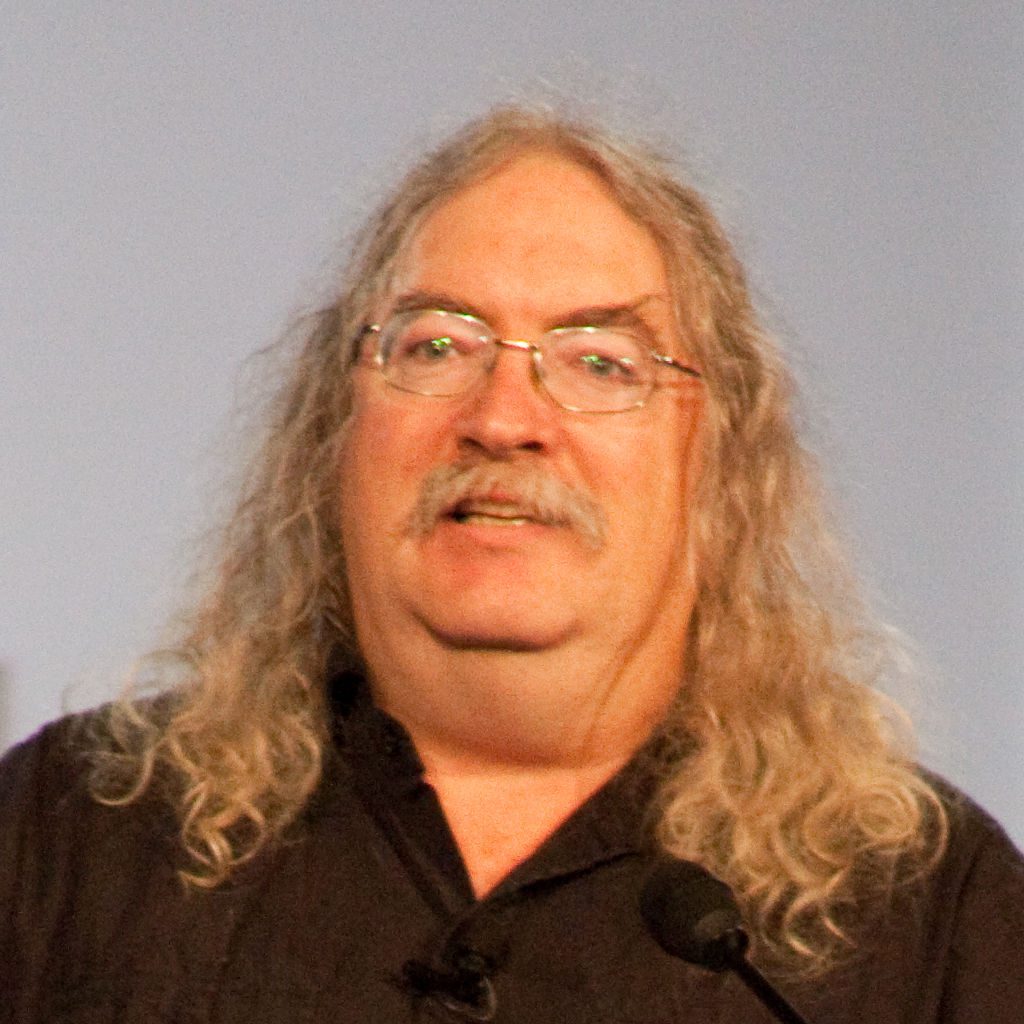
Stephen Downing Overview
| Full Name | Stephen Downing |
| Date of Birth | October 28, 1938 |
| Age(as of 2025) | Would have been 87 (Deceased) |
| Birthplace | Hanford, California, U.S. |
| Profession | Television producer, screenwriter, activist, investigative journalist, LAPD Deputy Chief |
| Husband/Wife | Adrienne Allen |
| Family | Son: Michael P. Downing; Daughters: Tambree Justice, Julie Davies |
| Relationship/Affairs(GF/BF) | Information not disclosed. |
| Net Worth | Not publicly available. |
Early Life and Education of Stephen Downing
Stephen Downing was born on October 28, 1938, in Hanford, a small city in California’s Central Valley. He was the son of a farmer and a homemaker, and grew up on a farm where resourcefulness was a part of daily life. Alongside his brother, Roderick, he helped his father with farm work, including picking cotton and citrus. This upbringing in a rural environment instilled in him a practical and grounded perspective that would later influence his creative work. As a young man, he explored different paths before finding his long-term careers; he worked as a forest ranger, building trails in the Sierra Mountains, and also as a surveyor. In a notable turn of events, he laid out the very runways at Naval Air Station Lemoore that his grandson, an F-18 fighter pilot, would one day use. For his higher education, Downing attended California State University, Los Angeles, where he earned a Bachelor of Arts degree. His formative years were marked by a blend of rural labor, public service, and academic pursuit, setting the stage for the diverse and impactful careers he would later undertake.
Stephen Downing’s Career
Stephen Downing’s professional life was characterized by two distinct yet interconnected careers: one in law enforcement with the LAPD and another in the heart of Hollywood as a writer and producer. This unique duality provided him with an unparalleled depth of experience that he channeled into his creative and activist work.
Law Enforcement Career
Downing joined the Los Angeles Police Department in 1960 at the age of 21, starting as a patrolman in the 77th station, which covered South Los Angeles. He entered the force during a period of significant social tension and professed a desire to reform the system from within, vowing to outrank what he saw as corrupt supervisors. His ascent through the ranks was swift. He was a sergeant during the 1965 Watts riots, an experience that gave him a frontline view of the deep-seated issues between the police and the community. Over his 20-year tenure, he held numerous positions, including lieutenant, captain, and commander, ultimately achieving the rank of Deputy Chief of Personnel and Training at the age of 39.
Throughout his LAPD career, Downing was responsible for significant reforms. As Captain of Detectives, he established homicide investigation techniques that are still in use today. As Commanding Officer of the Juvenile Division, he created a system to end abuses in state probation subsidy programs. Perhaps most significantly, as a member of the Shooting Review Board in the late 1970s, he was instrumental in rewriting the LAPD’s deadly force policy, championing a “reverence for human life” and establishing that the use of deadly force should be a last resort. He retired from the LAPD in 1980, profoundly affected by what he viewed as the destructive and futile nature of the war on drugs.
Hollywood Career
While still an active police officer, Downing launched a secret but successful screenwriting career in 1965. To avoid violating department rules against outside employment, he wrote under three pseudonyms: Michael Donovan, Sean Baine, and Adrian Leeds. His first role in Hollywood was as a technical advisor for Jack Webb’s show Adam-12, which led to Webb buying his first script for the iconic police procedural Dragnet. His authentic voice and firsthand knowledge of police work made his scripts highly sought after. Under his various pen names, he wrote for numerous popular crime dramas of the era, including Police Story, Kojak, The Streets of San Francisco, and Baretta.
After retiring from the LAPD in 1980, Downing began writing and producing under his own name. He became an executive producer, showrunner, and writer for fourteen different television shows. His production credits are a list of some of the most memorable series of the 1980s and 1990s, including T. J. Hooker, Knight Rider, F/X: The Series, and RoboCop: The Series. His most enduring television legacy is arguably his work as the executive producer and showrunner for MacGyver. Downing was the driving force behind the decision to make the titular character, Angus MacGyver, a hero who refused to use a gun—a direct reflection of Downing’s personal convictions about reducing violence. He steered the show to tackle social issues like workers’ rights and environmental protection, creating a new kind of action hero guided by intellect and morality rather than brute force. In total, Downing’s writing and producing credits amount to over 500 hours of television.
Activism and Investigative Journalism
In his later years, Downing embarked on a third career as a passionate activist and investigative journalist. He was a vocal critic of the war on drugs, an opinion forged by the death of a fellow officer in an undercover operation in 1973 and his observations of its corrupting influence on policing. In 2011, he joined the board of the Law Enforcement Action Partnership (LEAP), an organization of current and former law enforcement officials who advocate for criminal justice and drug policy reform. He wrote numerous op-ed pieces for publications like the Huffington Post and the Los Angeles Times, arguing for the decriminalization of drugs and an end to police militarization.
Living in Long Beach, California, Downing dedicated his time to unpaid investigative journalism, focusing on the Long Beach Police Department (LBPD) for the local Beachcomber newspaper. His reporting uncovered numerous issues within the department, including mismanagement and corruption. In 2018, his work with the ACLU and Al Jazeera exposed the LBPD’s secret use of a disappearing-message app called TigerText, a story that brought international attention and sparked protests from civil rights advocates.
Stephen Downing Personal Life & Family
Stephen Downing was a devoted family man who placed his loved ones at the center of his life. He met his future wife, Adrienne Allen, at a drive-in restaurant in her hometown of Visalia when he was 18 years old. They married a year later and remained together for 67 years, until his passing. He often referred to Adrienne as his “bride,” a term of endearment he used long into their marriage. Adrienne was also an integral part of his career; during his time writing under pseudonyms for the LAPD, she would deliver his scripts to producers. Later, she served as the publicist for the show MacGyver.

The couple had three children: a son, Michael P. Downing, and two daughters, Tambree Justice and Julie Davies. Following in his father’s footsteps, Michael also had a distinguished career with the LAPD, eventually becoming a Deputy Chief and even serving as interim Chief of Police. Stephen’s daughter Julie also participated in the family’s television endeavors, acting in several episodes of MacGyver. The family’s collaboration on the show was a point of pride for Downing. His family life was rich and full, and he was also a grandfather to six grandchildren and a great-grandfather to six great-grandchildren. One of his most treasured family memories was a sailing trip through the Aegean Sea in Greece with his children and their spouses.
Awards and Achievements of Stephen Downing
While a comprehensive list of formal awards is not publicly available, Stephen Downing’s career is marked by numerous significant achievements and contributions to both law enforcement and television. His work created a lasting impact that often transcended traditional accolades.
- LAPD Policy Reform: As Deputy Chief, he chaired the Shooting Review Board and led the adoption of the first use-of-force policy in the nation that was prefaced with a “reverence for human life,” mandating deadly force only as a last resort.
- Innovative Police Procedures: During his tenure as Captain of Detectives, he established homicide investigation techniques that continue to be used today.
- Pioneering Television Producer: He served as the executive producer and/or showrunner for fourteen television series, contributing to over 500 hours of television programming throughout his career.
- Shaping an Iconic Character: As the showrunner for MacGyver, he made the pivotal decision that the protagonist would not use a gun, creating a new archetype of a non-violent action hero and influencing a generation of viewers.
- Investigative Journalism: Though unpaid, his work as an investigative journalist for the Long Beach Beachcomber brought national attention to issues of police misconduct and led to significant local reforms. He won numerous awards for his investigative reporting and editing in Long Beach.
Stephen Downing Net Worth and Income
The specific net worth of Stephen Downing is not publicly available. His income was derived from his more than two-decade career with the Los Angeles Police Department, where he rose to the rank of Deputy Chief, and his subsequent prolific career in Hollywood as a successful screenwriter and television producer. His television work, which began in the 1960s and continued for several decades, included writing for numerous hit series and serving as the executive producer and showrunner for shows like MacGyver and T. J. Hooker. In his later years, his work as an investigative journalist for local newspapers in Long Beach was done on a volunteer basis as a form of community service.
Legacy and Influence
Stephen Downing leaves a dual legacy that is both rare and profound, influencing the disparate worlds of American policing and popular culture. Within the LAPD, his legacy is one of a reformer who worked from the inside to change a deeply entrenched culture. His most enduring contribution was the landmark use-of-force policy that prioritized the sanctity of human life, a philosophy that predated modern conversations on police de-escalation by decades. His work in establishing new investigative techniques and combating corruption left a tangible mark on the department.
In Hollywood, Downing’s influence was felt by millions of television viewers. As a writer and producer, he brought a level of authenticity to the police procedural genre, but his most significant cultural impact was with MacGyver. By insisting the hero solve problems with ingenuity instead of a gun, he challenged the conventions of the action-adventure genre and promoted a message of non-violence that resonated globally. The show he helmed also became a platform for social commentary, addressing issues of social justice and environmentalism. In his final chapter as an activist and journalist, he fused his two careers, using the credibility of his police background to lend weight to his arguments for drug policy reform and police accountability. His investigative work in Long Beach demonstrated a continued commitment to justice, inspiring local reform campaigns and holding power to account. His life’s work, from the streets of Los Angeles to the television screen and the local newspaper, was defined by a consistent pursuit of integrity and a desire to enact positive change.
Interesting Facts about Stephen Downing
- To keep his screenwriting career a secret from the LAPD, he used three different pseudonyms: Michael Donovan, Sean Baine, and Adrian Leeds.
- His wife, Adrienne, would deliver his handwritten scripts to Hollywood producers while he was still on the police force.
- He was the person responsible for making the iconic character MacGyver a hero who refused to carry or use a gun.
- His son, Michael P. Downing, also became a Deputy Chief in the LAPD and served as the interim Chief of Police.
- He worked as a surveyor as a young man and laid out the runways at Naval Air Station Lemoore, which were later used by his grandson, who became a fighter pilot.
- His later work as an investigative journalist was entirely voluntary, as he saw it as a form of community service.
- His family, including his wife and daughter, were actively involved in the production of MacGyver.
Controversies
Stephen Downing’s work as an investigative journalist, particularly his critical coverage of the Long Beach Police Department, generated controversy. His articles for the Beachcomber newspaper and other outlets often accused the department of mismanagement, corruption, and abuse, which irked police officials and their supporters. While his reporting was praised by community members and civil rights groups, it also drew criticism and disputes over accuracy from within the department. The most severe controversy arose from a death threat he received in response to his journalism. Downing reported that a former LBPD officer wrote a threatening message about him on Facebook, suggesting he “might end up in the Los Angeles River.” Although the police investigated the incident, the district attorney’s office ultimately declined to file criminal charges, stating the threat was not sufficiently clear or immediate to secure a conviction. This decision was a point of contention for Downing, who felt the threat was credible and serious.
Social Media Presence
- Substack – He authored a Substack newsletter titled “Stephen Downing: Exposing the Con: Defending Democracy.” Subscriber count is not publicly available.
- Instagram – Not publicly available.
- Twitter – Not publicly available.
- YouTube – Not publicly available.
Final Words about Stephen Downing
Stephen Downing passed away on November 20, 2025, at the age of 87, from sepsis. His death marked the end of a long and uniquely influential life that spanned the front lines of law enforcement, the creative heights of Hollywood, and the principled trenches of activism and journalism. The story of Stephen Downing is one of conviction and transformation—a police officer who rose to the top while secretly writing for television, a producer who redefined the action hero for a generation, and a retired public servant who dedicated his final years to holding the powerful accountable. His legacy is not confined to a single field but is found in the police reforms he championed, the television shows he shaped, and the investigative articles he penned. He is remembered by his family as a devoted husband, father, and grandfather, and by his colleagues as a mentor with an unwavering commitment to justice. His life’s work continues to resonate, demonstrating that a career of service can take many forms, and that a single individual can, in fact, change the system from both the inside and the outside.