
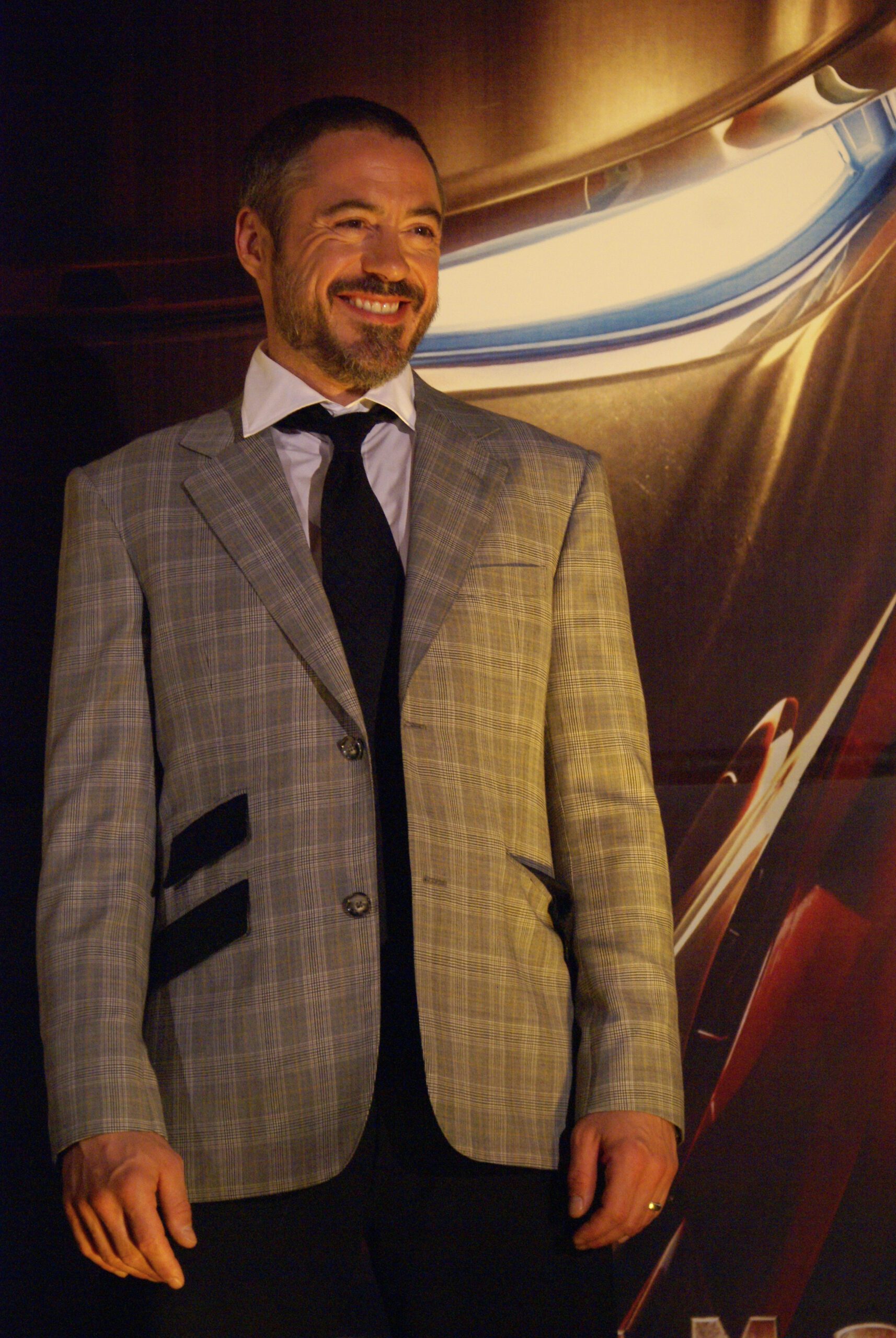
An icon of the American underground film movement, Robert Downey Sr. was a director, screenwriter, and actor whose work challenged cinematic conventions and satirized the absurdities of modern life. He is best known for his provocative and influential films of the 1960s and 70s, particularly the advertising industry satire Putney Swope and the surrealist western Greaser’s Palace. Downey Sr.’s films, often made on shoestring budgets, were characterized by their biting social commentary, anarchic humor, and experimental style, which resonated with the counterculture of the era. He was also the father of the acclaimed actor Robert Downey Jr., whose own career began in his father’s films. A true maverick, Robert Downey Sr. remained a significant and uncompromising voice in independent cinema throughout his life, leaving behind a legacy that continues to inspire filmmakers who dare to defy the mainstream.
Robert Downey Overview
| Full Name | Robert John Elias Jr. |
| Date of Birth | June 24, 1936 |
| Age(as of 2025) | Would have been 89 |
| Birthplace | New York City, U.S. |
| Profession | Film director, screenwriter, actor |
| Husband/Wife | Elsie Ann Ford (m. 1962; div. 1975), Laura Ernst (m. 1991; d. 1994), Rosemary Rogers (m. 1998) |
| Family | Father of actor Robert Downey Jr. and actress Allyson Downey. |
| Relationship/Affairs(GF/BF) | Information not disclosed. |
| Net Worth | Estimated between $4 million and $10 million at the time of his death. |
Early Life and Education of Robert Downey
Robert Downey Sr. was born Robert John Elias Jr. in Manhattan, New York City. His father, Robert Elias Sr., managed motels and restaurants, and his mother, Elizabeth (née McLauchlen), was a model. He grew up in a household with a diverse heritage; his paternal grandparents were Lithuanian Jews, while his mother had Hungarian Jewish and Irish ancestry. Downey’s early life was marked by a rebellious spirit. He enlisted in the United States Army while still underage, adopting the surname of his stepfather, James Downey, to do so. His time in the military was tumultuous, and he later admitted to spending a significant portion of it in the stockade. It was during this period of confinement that he began to cultivate his writing skills, even penning an unpublished novel. This early foray into creative expression laid the groundwork for his future career in the arts. After his military service, Downey continued to lead a varied and unconventional life, which included a brief stint as a semi-professional baseball player and becoming a Golden Gloves boxing champion. These experiences, far from the traditional path of a filmmaker, undoubtedly contributed to the unique and often gritty perspective that would define his cinematic work.
Robert Downey’s Career
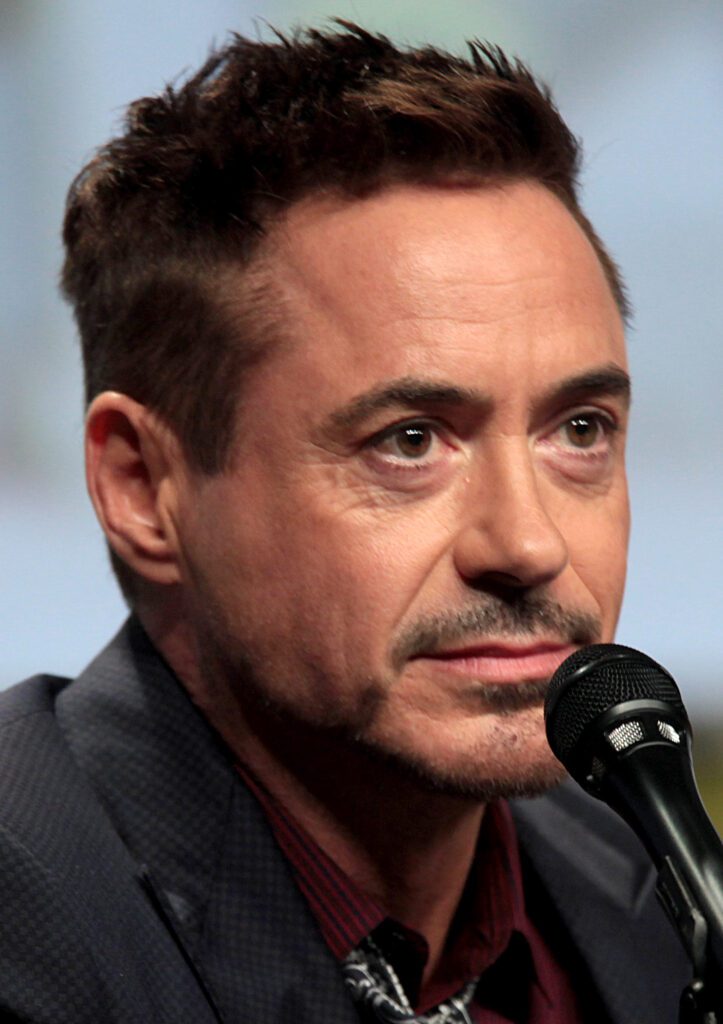
Robert Downey Sr.’s filmmaking career was born out of the vibrant and rebellious underground art scene of 1960s New York. He began making films with minimal budgets, often using a raw, absurdist style that was in stark contrast to mainstream Hollywood productions. His early works, such as Babo 73 and Chafed Elbows, gained a cult following and established him as a significant voice in countercultural cinema. These films were characterized by their non-linear narratives, satirical humor, and willingness to tackle controversial subjects with unflinching honesty.
The pinnacle of his early career came in 1969 with the release of Putney Swope. This scathing satire of the advertising world, in which a Black man is accidentally elected chairman of a major agency, was both a critical and commercial success for an underground film. Its audacious humor and sharp social commentary on race and corporate culture resonated with audiences and cemented Downey’s reputation as a fearless and innovative filmmaker. The film’s influence was significant, inspiring a generation of independent directors.
Following the success of Putney Swope, Downey continued to create challenging and unconventional films. Greaser’s Palace (1972) was a surrealist Western that reimagined the story of Jesus Christ in a bizarre and comedic fashion. The film further showcased his unique vision and his refusal to adhere to conventional storytelling. Throughout the 1970s and beyond, he continued to direct, write, and act in a variety of projects, often casting his own family members, including his son, Robert Downey Jr., who made his screen debut in his father’s 1970 film Pound. While his later work may not have achieved the same level of notoriety as his films from the 1960s, Robert Downey Sr. remained a respected and uncompromising artist, consistently producing work that was true to his singular and iconoclastic vision.
Robert Downey Personal Life & Family
Robert Downey Sr.’s personal life was as unconventional and dynamic as his filmmaking. He was married three times. His first wife was actress Elsie Ann Ford, with whom he had two children: daughter Allyson and son Robert Jr. The family was deeply immersed in the bohemian culture of Greenwich Village, and both children were exposed to the world of filmmaking and acting from a very young age. This environment, however, also had a darker side, as Downey Sr. struggled with drug addiction, a battle that would later profoundly impact his son. He and Elsie divorced in 1975.
In 1991, he married actress and writer Laura Ernst, with whom he collaborated on several projects. Their marriage was tragically cut short by her death from ALS in 1994. In 1998, Downey married his third wife, Rosemary Rogers, an author and humorist, with whom he remained until his death. His relationship with his son, Robert Downey Jr., was complex and often tumultuous, marked by both creative collaboration and the shared struggle with addiction. Downey Sr. famously admitted to introducing his son to drugs at a young age, a decision he later deeply regretted. Despite the challenges, their bond was undeniably strong, a theme explored in the poignant 2022 documentary Sr., which was produced by Robert Downey Jr. and serves as a tribute to his father’s life and work. Downey Sr. passed away in his sleep at his home in New York City on July 7, 2021, at the age of 85, after a long battle with Parkinson’s disease.
Awards and Achievements of Robert Downey
- In 2016, his groundbreaking 1969 film Putney Swope was selected for preservation in the United States National Film Registry by the Library of Congress for being “culturally, historically, or aesthetically significant.”
- The 2022 documentary about his life and career, Sr., which was produced by his son Robert Downey Jr., won the National Board of Review Award for Best Documentary Feature.
- Five of his films, including Putney Swope, were released as part of the prestigious Criterion Collection’s Eclipse Series, recognizing their importance in the history of American independent cinema.
Robert Downey Net Worth and Income
At the time of his death in 2021, Robert Downey Sr.’s net worth was estimated to be between $4 million and $10 million. This wealth was accumulated through his long and varied career in the film industry as a director, screenwriter, and actor. While his underground films were not massive commercial blockbusters, they were often financially successful relative to their low budgets and have since become valuable cult classics. He also earned income from acting roles in films such as To Live and Die in L.A., Boogie Nights, and Magnolia. His work as a writer and director for both film and television also contributed to his overall net worth. The enduring legacy and continued interest in his work, including home video releases and streaming rights, likely provided a steady stream of income later in his life.
Legacy and Influence
Robert Downey Sr. leaves behind a powerful legacy as a pioneer of American independent and underground cinema. His fearless and satirical approach to filmmaking broke new ground in the 1960s and 70s, challenging both societal norms and the conventions of Hollywood. His work is celebrated for its raw energy, its intellectual wit, and its profound influence on a subsequent generation of filmmakers. Directors such as Paul Thomas Anderson, Jim Jarmusch, and the Coen brothers have all cited Downey Sr. as an inspiration, and his impact can be seen in the bold and unconventional storytelling of many contemporary independent films.
His most famous film, Putney Swope, remains a landmark of political satire and a powerful commentary on race and consumerism in America. The enduring relevance of his work is a testament to his keen understanding of the human condition and his ability to capture the absurdity of modern life. Beyond his own filmography, his legacy is also intrinsically linked to the career of his son, Robert Downey Jr. By introducing his son to the world of acting, he set in motion a chain of events that would lead to the rise of one of Hollywood’s most celebrated actors. The 2022 documentary Sr. serves as a moving tribute to his life and work, ensuring that his contributions to cinema will not be forgotten and will continue to inspire audiences and filmmakers for years to come.
Interesting Facts about Robert Downey
- Before he was a filmmaker, Robert Downey Sr. was a Golden Gloves boxing champion.
- He enlisted in the U.S. Army at the age of 15, having to lie about his age to do so.
- He changed his last name from Elias to Downey, adopting the surname of his stepfather.
- His son, Robert Downey Jr., made his acting debut at the age of five in his father’s film Pound.
- He wrote an unpublished novel while serving time in the stockade during his military service.
- In addition to his film work, he also wrote off-Broadway plays.
- He was an actor in several notable films, including Boogie Nights and Magnolia, both directed by his admirer, Paul Thomas Anderson.
Controversies
Robert Downey Sr.’s life and career were not without controversy. His open struggles with drug addiction were a significant part of his public persona, and he was candid about his use of cocaine and other substances. The most significant controversy surrounding his personal life was his admission of introducing his son, Robert Downey Jr., to marijuana at the age of six. He later expressed deep regret over this decision, acknowledging it as a “terrible, stupid mistake.” This early exposure to drugs is often cited as a contributing factor to Robert Downey Jr.’s own well-documented battles with addiction later in life. While their relationship was complex, both father and son were open about these difficult aspects of their past, addressing them with a raw honesty in interviews and in the documentary Sr.. His films were also often controversial for their time, challenging societal norms with their explicit language, satirical content, and unconventional themes, which was a deliberate part of his artistic approach.
Social Media Presence
- Instagram – Not publicly available
- Twitter – Not publicly available
- YouTube – Not publicly available
Final Words about Robert Downey
Robert Downey Sr. was a true original, a filmmaker who danced to the beat of his own drum and, in doing so, created a body of work that is as challenging and relevant today as it was at the height of the counterculture movement. His films were a Molotov cocktail of satire, absurdity, and social commentary, and his influence on independent cinema is undeniable. Though his later years were marked by a battle with Parkinson’s disease, he remained a creative force, and his spirit is poignantly captured in the documentary Sr., a final, collaborative love letter with his son. While the controversies of his life are a part of his story, they do not overshadow his artistic contributions. Robert Downey Sr.’s legacy is that of a maverick filmmaker who dared to be different, who pushed the boundaries of what was possible in cinema, and who left an indelible mark on the landscape of American film.
 Team Dailly WikiBio