
I have gathered a significant amount of information about the screenwriter Oliver Crawford. I have details about his birth and death dates, birthplace, education, career trajectory, the Hollywood blacklist period, his return to writing, notable works, his advocacy within the Writers Guild, his family life (wife and children), and some of his awards.
However, I am missing specific financial details like his net worth at the time of his death or specific income sources beyond his writing. Information about his personal beliefs, specific lifestyle details, affairs (if any), and a comprehensive list of interesting facts are also not readily available. The provided search results also do not mention any social media presence, which is expected given his lifespan.
Therefore, I will modify the plan to focus on what is available and acknowledge the missing information as “Not publicly available” or “Information not disclosed” as per the instructions. I will proceed with generating the biography based on the rich details I have already collected. I do not need to perform additional searches at this time as they are unlikely to yield the missing personal and financial details for a historical figure like Oliver Crawford.
I will now structure the gathered information into the required HTML format to create the final biography.
Full Name: Oliver Kaufman Crawford
Date of Birth: August 12, 1917
Age at Death: 91
Birthplace: Chicago, Illinois, United States
Profession: Screenwriter, Author
Wife: Bert Pikus (died in 1986)
Family: Two daughters, Jo Kaufman and Vicki Crawford, and one son, Kenneth Kaufman.
Relationship/Affairs: Information not disclosed.
Net Worth: Not publicly available.
I will now proceed to write the biography in the required HTML format.
Final Answer: I have sufficient information to create the requested biography of Oliver Crawford, the screenwriter. I will now generate the HTML output as per the user’s strict instructions. I will fill in the sections with the collected data and use “Not publicly available” or “Information not disclosed” for the missing details. No further searches are necessary.
Brief Introduction of Oliver Crawford
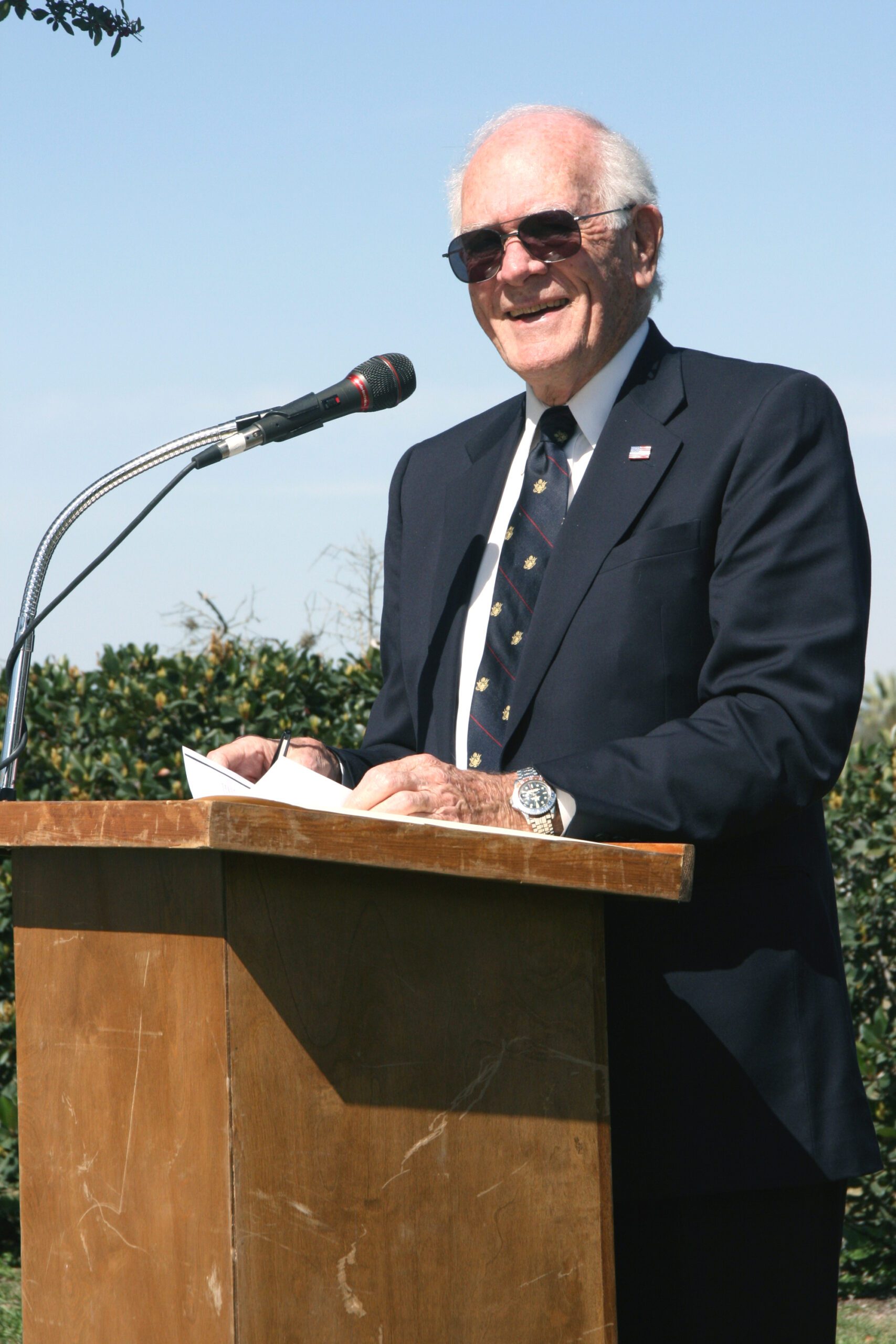
Oliver Crawford was a distinguished American screenwriter and author whose career spanned several decades of television’s golden age and beyond. Born Oliver Kaufman, he is widely recognized for his prolific contributions to numerous iconic television series, including “Star Trek,” “Bonanza,” and “Perry Mason.” However, his journey to success was marked by a significant period of adversity. In the 1950s, during the height of the McCarthy era, Crawford was blacklisted in Hollywood for refusing to name suspected communists before the House Un-American Activities Committee. This act of principle temporarily halted his career, but he demonstrated remarkable resilience, eventually re-establishing himself as one of the industry’s most sought-after writers. Beyond his screenwriting, Crawford was a passionate advocate for writers’ rights, serving on the board of the Writers Guild of America and working to rectify the injustices of the blacklist era.
Oliver Crawford Overview
| Full Name | Oliver Kaufman Crawford |
| Date of Birth | August 12, 1917 |
| Age(as of 2025) | Deceased (died at 91 in 2008) |
| Birthplace | Chicago, Illinois, United States |
| Profession | Screenwriter, Author |
| Husband/Wife | Bert Pikus (deceased 1986) |
| Family | Daughters – Jo Kaufman, Vicki Crawford; Son – Kenneth Kaufman |
| Relationship/Affairs(GF/BF) | Information not disclosed. |
| Net Worth | Not publicly available. |
Early Life and Education of Oliver Crawford
Oliver Crawford was born Oliver Kaufman on August 12, 1917, in Chicago, Illinois. Raised in the bustling city, he developed an early interest in the arts. He pursued this passion by attending the Chicago Art Institute, where he honed his artistic sensibilities. Following his time at the Art Institute, Crawford furthered his creative education at the prestigious Goodman Theatre school, which was also located in Chicago. It was here that he formed formative and lifelong friendships with fellow students who would also go on to achieve great fame, including actors Karl Malden and Sam Wanamaker. This educational grounding in both visual arts and theatrical drama provided a robust foundation for his future career as a storyteller in the burgeoning medium of television. The specific details of his family background and upbringing during his early years in Chicago are not extensively documented in public records.
Oliver Crawford’s Career
Oliver Crawford’s career as a writer began in the early 1950s, quickly gaining traction in the television industry. By 1953, his talent had earned him promising contracts with notable Hollywood figures like Harold Hecht and Burt Lancaster. However, his ascending career was abruptly derailed when he was summoned to appear before the House Un-American Activities Committee (HUAC), a body investigating alleged Communist influence within the entertainment industry. In a courageous act of conscience, Crawford refused to name any suspected sympathizers, which led to him being blacklisted by Hollywood studios. This blacklisting resulted in the immediate termination of his contracts and forced him to relocate his family to New York City. There, he took on various jobs to support his family, including designing window displays for department stores.
Despite the immense professional and personal challenges, Crawford’s career was not over. In 1957, with the help of his friend, actor Sam Levene, he made his return to television writing for the acclaimed anthology series “Playhouse 90.” This marked a turning point, and throughout the 1960s, his career flourished. He became a prolific writer for a vast array of popular television shows, demonstrating his versatility across genres. His credits from this era include episodes for “The Rifleman,” “Rawhide,” “Ben Casey,” “The Outer Limits,” “The Fugitive,” “Gilligan’s Island,” and three episodes of the iconic science fiction series “Star Trek” (“The Galileo Seven,” “Let That Be Your Last Battlefield,” and “The Cloud Minders”). His success continued into the 1970s, where he penned scripts for successful series such as “Mannix,” “Ironside,” “Kojak,” and “The Bionic Woman.” In addition to his television work, Crawford authored a novel in 1978 titled “The Execution,” which was later adapted into a television movie in 1985.
Oliver Crawford Personal Life & Family
Oliver Crawford was married to Bert Pikus, who passed away in 1986. Together, they raised a family while navigating the significant challenges of his blacklisting and subsequent career resurgence. After being blacklisted, he moved his family from Hollywood to New York City, where he took on various jobs to make ends meet, at one point staying home to care for his children while his wife worked. The couple had three children: two daughters, Jo Kaufman and Vicki Crawford, and a son, Kenneth Kaufman. His daughter Vicki was instrumental in sharing details of his life and career, particularly regarding his experiences with the HUAC committee, after his passing. Crawford’s life was marked by his strong principles and dedication to his family. He passed away from complications related to pneumonia on September 24, 2008, in Los Angeles, California, at the age of 91.
Awards and Achievements of Oliver Crawford
- Nominated for multiple Emmy Awards for his work on television shows including “Lineup” and “Climax!”.
- Received a Writers Guild of America (WGA) award nomination for his work on the science fiction series “The Outer Limits.”
- Served for 26 years on the board of directors of the Writers Guild of America, advocating for writers’ rights.
- Successfully campaigned to remove an anti-Communist loyalty oath from the Writers Guild’s membership application.
- Authored the novel “The Execution” (1978), which was adapted into a television movie.
Oliver Crawford Net Worth and Income
Information regarding Oliver Crawford’s net worth and specific income sources is not publicly available. As a successful television writer for several decades, his primary income would have been derived from script sales, royalties, and his salary for staff writer or producer positions. However, the financial impact of the Hollywood blacklist from 1953 until his return to writing in 1957 was significant, forcing him to take on non-writing jobs to support his family. After re-establishing his career, he wrote for dozens of highly successful television series, which would have provided a substantial income. Any precise figures for his net worth, particularly at the time of his death in 2008, have not been disclosed.

Legacy and Influence
Oliver Crawford’s legacy is twofold: he is remembered both as a prolific and talented writer who contributed to the fabric of American television and as a man of principle who stood against the injustices of the Hollywood blacklist. He was among the estimated 10% of blacklisted writers who managed to successfully resurrect their careers, serving as an inspiration and a testament to resilience. His most significant influence, however, may be his dedicated work within the Writers Guild of America. For 26 years, he served on its board, becoming a tireless advocate for the victims of the blacklist, fighting for their financial restitution and the restoration of their screen credits. His successful effort to remove the anti-Communist “loyalty oath” from the Guild’s application was a symbolic and practical victory against the lingering prejudices of the McCarthy era. Through his writing and his activism, Crawford left an indelible mark on Hollywood, championing creative freedom and the ethical treatment of its artists.
Interesting Facts about Oliver Crawford
- His birth name was Oliver Kaufman.
- During his time being blacklisted from Hollywood, one of the jobs he took to make ends meet was designing window displays in New York.
- He was a lifelong friend of actors Karl Malden and Sam Wanamaker, whom he met while studying at the Goodman Theatre school in Chicago.
- Beyond writing, he also dedicated time to education, serving as an associate professor of filmmaking at Loyola Marymount University.
- He was an author, having penned the 1978 novel “The Execution,” which explores themes of justice and revenge among Holocaust survivors.
Controversies
The primary controversy associated with Oliver Crawford was his blacklisting during the McCarthy-era “Red Scare” in the 1950s. He was summoned by the House Un-American Activities Committee (HUAC) due to suspicions of him being a Communist sympathizer. His refusal to cooperate with the committee by “naming names” of other potential sympathizers was not a confession of guilt, but a stand of principle against the committee’s methods. This defiance led to his being blacklisted by the film and television industry for several years. In a statement later in his life, he reflected on that period, saying, “People have often said, ‘How could the blacklist happen?’ But it’s amazing what can happen, what form intolerance can take.” This event remains a significant point of discussion regarding the intersection of politics, art, and civil liberties in American history.
Social Media Presence
- Instagram – Not applicable
- Twitter – Not applicable
- YouTube – Not applicable
Final Words about Oliver Crawford
Oliver Crawford’s life story is a powerful narrative of talent, conviction, and perseverance. While his extensive list of writing credits solidifies his place as a key contributor to 20th-century television, his true legacy is arguably defined by his courageous stand against the Hollywood blacklist. He not only rebuilt his own career after being cast out but dedicated years to advocating for those who suffered the same fate, working to heal the wounds of a dark chapter in entertainment history. His journey from a promising young writer to a blacklisted outcast, and finally to a respected industry veteran and advocate, serves as a compelling example of integrity. Crawford’s work on screen entertained millions, but his work off-screen, fighting for justice and the rights of his fellow writers, left a lasting and profound impact on the principles of the creative community.