
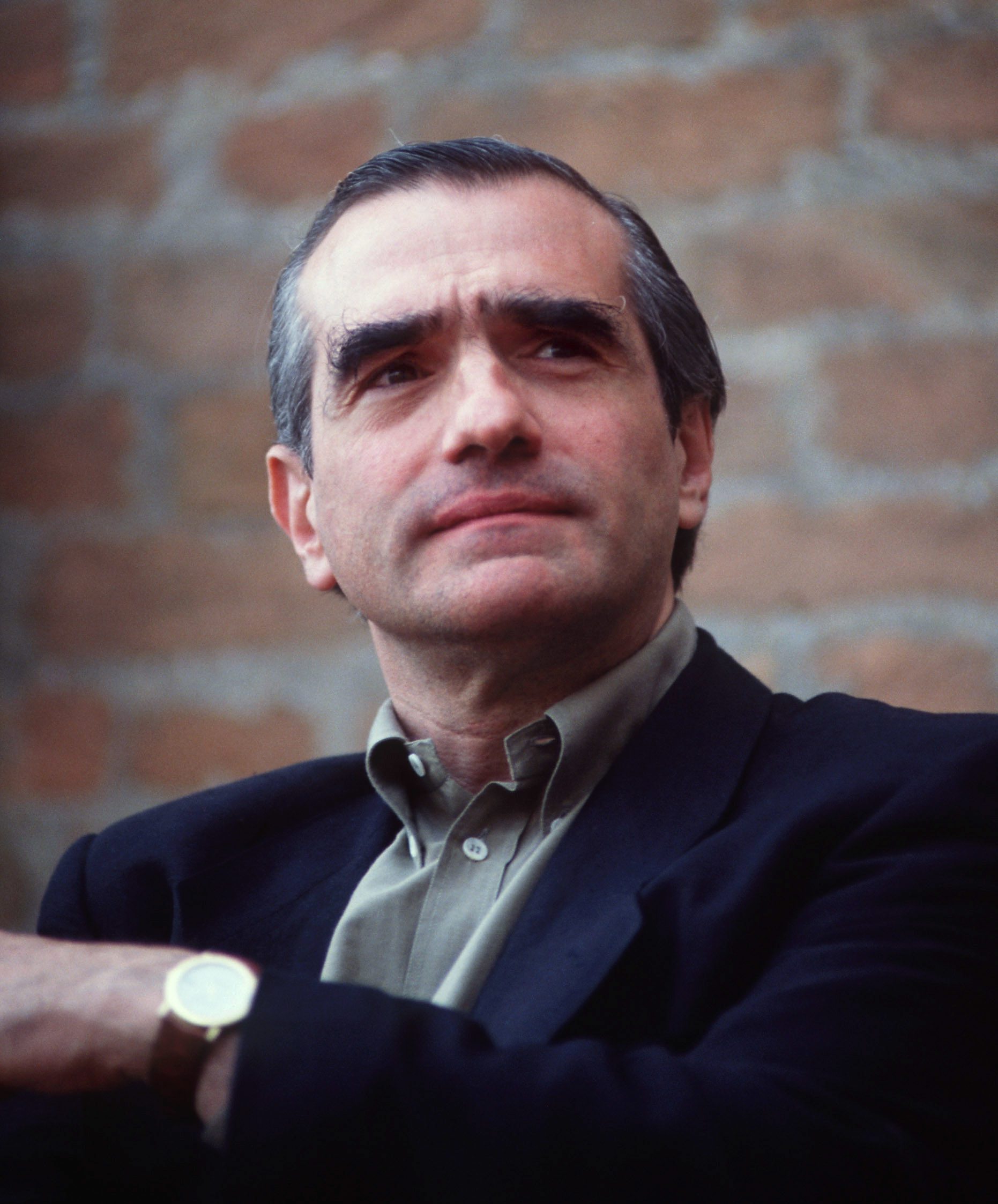
Brief Introduction of Martin Scorsese
Martin Scorsese is a towering figure in American cinema, celebrated for a career spanning over six decades that has left an indelible mark on the art of filmmaking. Renowned for his intense and visceral storytelling, Scorsese’s work often explores themes of Italian-American identity, Catholic concepts of guilt and redemption, crime, and machismo. As a pivotal director of the New Hollywood era, his distinctive style—characterized by dynamic camerawork, rapid editing, and a profound use of music—has influenced generations of filmmakers. He is acclaimed for his long-standing collaborations with actors like Robert De Niro and Leonardo DiCaprio, which have produced some of the most iconic films in cinematic history, including “Taxi Driver,” “Raging Bull,” “Goodfellas,” and “The Departed,” for which he won the Academy Award for Best Director.

Martin Scorsese Overview
| Full Name | Martin Charles Scorsese |
| Date of Birth | November 17, 1942 |
| Age(as of 2025) | 83 |
| Birthplace | Queens, New York City, U.S. |
| Profession | Film Director, Producer, Screenwriter, Actor |
| Husband/Wife | Helen Schermerhorn Morris (m. 1999) |
| Family | Charles Scorsese (Father), Catherine Scorsese (Mother), Frank Scorsese (Brother), Catherine Scorsese (Daughter), Domenica Cameron-Scorsese (Daughter), Francesca Scorsese (Daughter) |
| Relationship/Affairs(GF/BF) | Previously married to Laraine Marie Brennan, Julia Cameron, Isabella Rossellini, and Barbara De Fina. |
| Net Worth | Approximately $200 million |
Early Life and Education of Martin Scorsese
Martin Charles Scorsese was born on November 17, 1942, in Flushing, Queens, New York City. He was raised in the city’s Little Italy neighborhood in Manhattan, an environment that would profoundly shape his creative vision and serve as the backdrop for many of his films. His parents, Charles and Catherine Scorsese, both worked in the Garment District and had Sicilian immigrant roots. As a child, Scorsese suffered from severe asthma, which prevented him from playing sports and participating in other physical activities with his peers. Consequently, his parents and older brother often took him to the movies, where he developed a deep and abiding passion for cinema from a young age. He was particularly influenced by the works of filmmakers like Michael Powell and Emeric Pressburger. Raised in a devout Catholic family, Scorsese initially considered becoming a priest and spent a year in a seminary before dedicating himself to filmmaking. He enrolled at New York University’s College of Arts and Science (now the Tisch School of the Arts), where he earned a B.A. in English in 1964 and an M.A. in film in 1966. During his time at NYU, he created several short films that garnered attention and hinted at the unique cinematic voice he would soon unleash upon the world.
Martin Scorsese’s Career
Martin Scorsese’s illustrious career began in the late 1960s after graduating from NYU’s film school. His first feature film, “Who’s That Knocking at My Door” (1967), starring fellow student Harvey Keitel, established themes that would recur throughout his work. The 1970s marked Scorsese’s ascent as a major figure in the New Hollywood era. His breakthrough came with “Mean Streets” (1973), a gritty and personal film set in Little Italy that marked his first major collaboration with Robert De Niro. This partnership would become one of the most celebrated in film history, producing masterpieces like “Taxi Driver” (1976), which won the Palme d’Or at the Cannes Film Festival, and the biographical sports drama “Raging Bull” (1980), often cited as one of the greatest films ever made.
Throughout the 1980s, Scorsese continued to explore diverse genres with films like the satirical “The King of Comedy” (1983) and the black comedy “After Hours” (1985). The 1990s saw him return to the crime genre with the critically acclaimed “Goodfellas” (1990) and “Casino” (1995), both of which are considered seminal works in the gangster film canon. He also directed the period romance “The Age of Innocence” (1993) and the epic “Kundun” (1997), showcasing his versatility.
The 21st century marked a new phase in Scorsese’s career, highlighted by a series of successful collaborations with Leonardo DiCaprio. This partnership began with the historical epic “Gangs of New York” (2002) and continued with “The Aviator” (2004), “Shutter Island” (2010), and “The Wolf of Wall Street” (2013). In 2006, Scorsese finally won the Academy Award for Best Director for his crime thriller “The Departed,” which also won Best Picture. In recent years, he has continued to produce ambitious and lauded films, including the epic gangster drama “The Irishman” (2019) and the historical western “Killers of the Flower Moon” (2023), further cementing his status as a living legend of cinema. Beyond his narrative features, Scorsese is a passionate advocate for film preservation, founding The Film Foundation in 1990, and has directed numerous acclaimed documentaries on film and music history.
Martin Scorsese Personal Life & Family
Martin Scorsese’s personal life has been marked by five marriages. His first wife was Laraine Marie Brennan, with whom he has a daughter, Catherine. He was then married to author Julia Cameron, and they have a daughter named Domenica, who is also an actress. His third marriage was to actress Isabella Rossellini, followed by a marriage to producer Barbara De Fina. Since 1999, Scorsese has been married to Helen Schermerhorn Morris. Together, they have a daughter, Francesca, who is an actress and filmmaker and has appeared in several of her father’s films. His parents, Charles and Catherine Scorsese, often appeared in his early films, becoming beloved figures among his fans. Scorsese has been open about his lifelong Catholicism, and themes of faith, guilt, and redemption are prominent in his work. He has also spoken about his struggles with health issues, including severe asthma in his childhood and a period of drug addiction in the late 1970s that led to a near-fatal health crisis.

Awards and Achievements of Martin Scorsese
- Academy Award for Best Director for “The Departed” (2007)
- Ten Academy Award nominations for Best Director, making him the most-nominated living director
- Palme d’Or at the Cannes Film Festival for “Taxi Driver” (1976)
- Best Director Award at the Cannes Film Festival for “After Hours” (1986)
- Golden Globe Cecil B. DeMille Award (2010)
- BAFTA Fellowship (2012)
- AFI Life Achievement Award (1997)
- Kennedy Center Honor (2007)
- Primetime Emmy Awards for directing “Boardwalk Empire” and the documentary “George Harrison: Living in the Material World”
- Grammy Award for Best Music Film for “No Direction Home: Bob Dylan”
- Silver Lion at the Venice International Film Festival for “Goodfellas” (1990)
Martin Scorsese Net Worth and Income
As of 2025, Martin Scorsese’s net worth is estimated to be around $200 million. His substantial wealth has been accumulated over a prolific career in the film industry spanning more than six decades. His primary sources of income are his earnings as a director, producer, and screenwriter for his numerous critically acclaimed and commercially successful films. Scorsese’s films have collectively grossed over $2 billion at the worldwide box office. In addition to his upfront salary and fees, he also earns significant income from royalties, syndication, and licensing deals for his extensive film catalog. His work with major streaming platforms like Netflix for projects such as “The Irishman” has also contributed to his considerable earnings.
Legacy and Influence
Martin Scorsese is widely regarded as one of the most significant and influential filmmakers in the history of cinema. His unique cinematic language, characterized by its kinetic energy, psychological depth, and unflinching realism, has left an indelible impact on popular culture and generations of filmmakers worldwide. Films like “Taxi Driver,” “Raging Bull,” and “Goodfellas” are not only considered masterpieces but have also become cultural touchstones, frequently cited and studied for their narrative complexity and stylistic innovation. Scorsese’s dedication to film preservation is a vital part of his legacy. In 1990, he founded The Film Foundation, a non-profit organization dedicated to restoring and preserving classic films, ensuring that cinematic history is available for future generations. This commitment to the art form extends to his active role in mentoring and supporting emerging filmmakers, sharing his vast knowledge and passion for cinema. His ability to blend artistic ambition with compelling storytelling has solidified his place as a revered and essential voice in American and world cinema.
Interesting Facts about Martin Scorsese
- He initially wanted to be a Catholic priest before pursuing a career in filmmaking.
- As a child with asthma, he spent a great deal of time at the movies, which fueled his passion for cinema.
- He is an avid music fan and directed the iconic music video for Michael Jackson‘s song “Bad.”
- Scorsese meticulously draws his own storyboards for his films.
- He has made cameo appearances in many of his own movies, including a memorable role as a passenger in “Taxi Driver.”
- He was once offered the chance to direct “Schindler’s List” but felt it was a story that should be told by a Jewish filmmaker and passed it on to Steven Spielberg.
- Due to his 1997 film “Kundun,” which depicted the life of the 14th Dalai Lama, Scorsese is barred from entering Tibet.
- Before his directorial breakthrough, he worked as a news editor at CBS and as an editor on the documentary “Woodstock.”
Controversies
Throughout his celebrated career, Martin Scorsese has not been without controversy. His film “The Last Temptation of Christ” (1988) sparked widespread protests and condemnation from conservative religious groups for its depiction of a humanized, conflicted Jesus Christ, leading to the film being banned in several countries. The graphic violence in films like “Taxi Driver” (1976) and “Goodfellas” (1990) has also drawn criticism, with some arguing that his work glorifies violence and criminal behavior rather than condemning it. In recent years, Scorsese generated significant debate with his comments that Marvel superhero films are “not cinema,” likening them to “theme parks.” This statement ignited a passionate discussion within the film community about the artistic merit of blockbuster franchises versus auteur-driven cinema. Furthermore, his films, particularly “The Wolf of Wall Street” (2013), have faced accusations of glamorizing misogyny and amoral lifestyles, while others defend them as satirical critiques of such behavior.
Social Media Presence
- Instagram – Over 2 million followers
- Twitter – Not publicly available
- YouTube – Not publicly available
Final Words about Martin Scorsese
Even in his eighties, Martin Scorsese remains a vibrant and essential force in contemporary cinema, showing no signs of slowing down. His passion for storytelling and the cinematic arts is as fervent as ever, as evidenced by his recent ambitious projects that continue to challenge both audiences and the conventions of filmmaking. His legacy is not just defined by the numerous awards and classic films to his name, but also by his tireless work as a film historian and preservationist, safeguarding the art form for the future. He has embraced new platforms, even making viral appearances on his daughter’s TikTok account, demonstrating a surprising and endearing connection to a younger generation. As he continues to develop new projects, Martin Scorsese’s work remains a testament to the power of film to explore the complexities of the human condition, solidifying his status as a true maestro whose influence will be felt for generations to come.
 Team Dailly WikiBio