Brief Introduction of Katherina Reiche
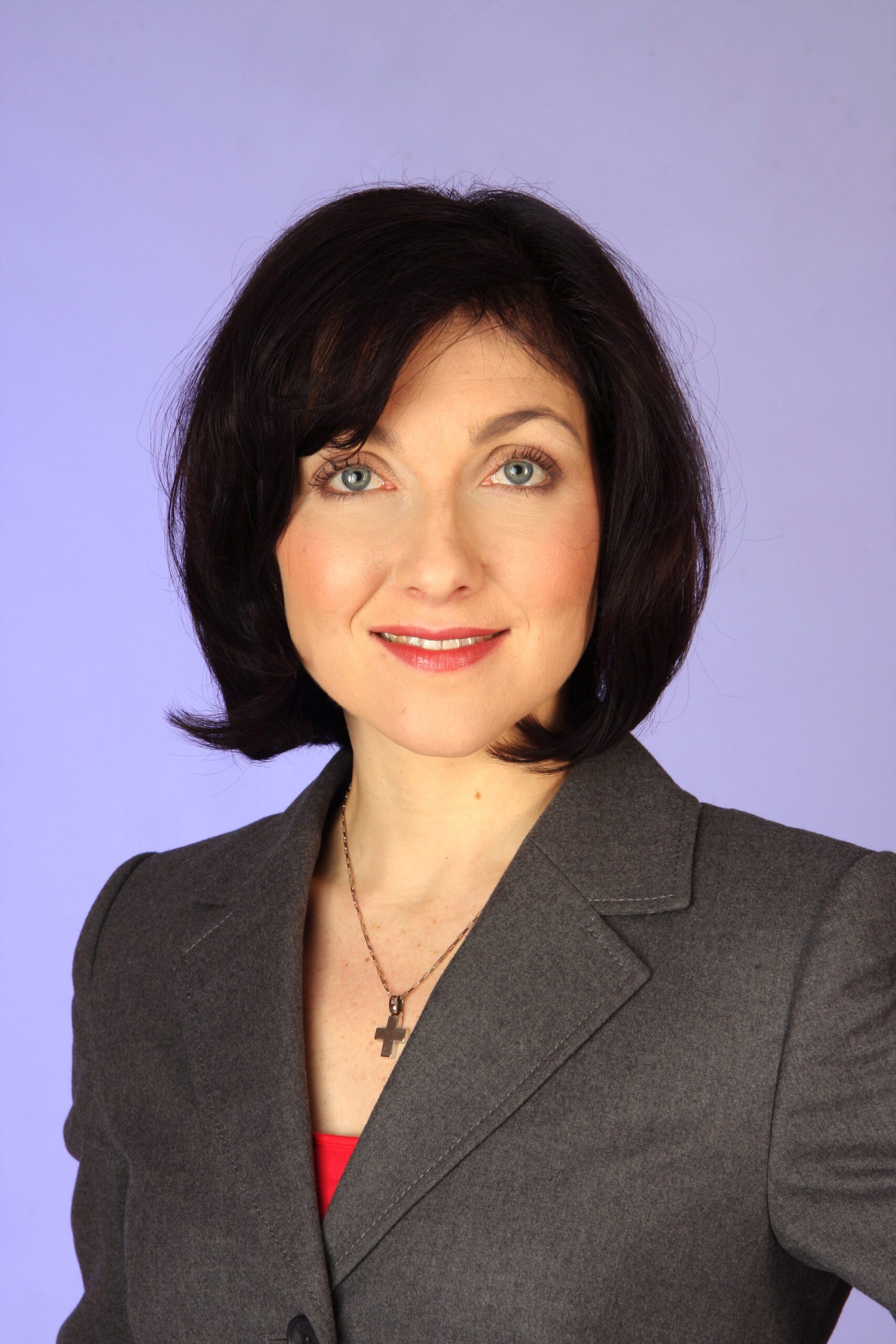
Katherina Birgitt Reiche is a prominent German politician (CDU), manager, and lobbyist who has carved out a significant career at the intersection of politics and the energy sector. A trained chemist, she served for seventeen years as a member of the German Bundestag, holding influential positions such as Deputy Chair of the CDU/CSU parliamentary group and Parliamentary State Secretary in two federal ministries. Known for her expertise in energy, environmental, and economic policy, Reiche transitioned from politics to the corporate world in 2015. She held top executive roles, including CEO of the German Association of Local Public Utilities (VKU) and later Chair of the Executive Board of Westenergie AG, a subsidiary of energy giant E.ON. In May 2025, she returned to frontline politics, being appointed as the Federal Minister for Economic Affairs and Energy, a role in which she now navigates Germany’s complex economic and energy transition challenges.
Katherina Reiche Overview
| Full Name | Katherina Birgitt Reiche |
| Date of Birth | July 16, 1973 |
| Age(as of 2025) | 52 |
| Birthplace | Luckenwalde, Brandenburg, former East Germany |
| Profession | Politician (CDU), Manager, Lobbyist |
| Husband/Wife | Formerly married to Sven Petke (m. 2003) |
| Family | Parents: Klaus and Birgitt Reiche. Three children (two daughters, one son). |
| Relationship/Affairs(GF/BF) | In a relationship with Karl-Theodor zu Guttenberg |
| Net Worth | Information not publicly disclosed |
Early Life and Education of Katherina Reiche
Katherina Birgitt Reiche was born on July 16, 1973, in Luckenwalde, located in the then-Bezirk Potsdam of East Germany. She grew up in a family with a strong background in chemistry and business; her mother was a chemist and her father a chemical engineer. Her family has entrepreneurial roots, with her grandfather, Helmut Schulze, founding a plastics processing company called Hesco in 1946. This company was nationalized in 1972 under the GDR regime but was reprivatized following the German reunification in 1990, with her parents taking over its management. This upbringing provided her with an early exposure to both scientific principles and the challenges of business management, particularly during a period of significant political and economic transformation. After completing her Abitur (university entrance qualification) at the Luckenwalde Gymnasium in 1992, Reiche pursued higher education in the field of chemistry. She studied at the University of Potsdam, graduating in 1997 with a Diplom-Chemikerin degree, equivalent to a Master of Science in Chemistry. Her academic journey was also international; she undertook research stays at Clarkson University in New York, USA, in 1995 and at the University of Turku in Finland in 1997. Following her graduation, she worked as a research assistant at the University of Potsdam from 1997 to 1998 before fully committing to a political career.
Katherina Reiche’s Career
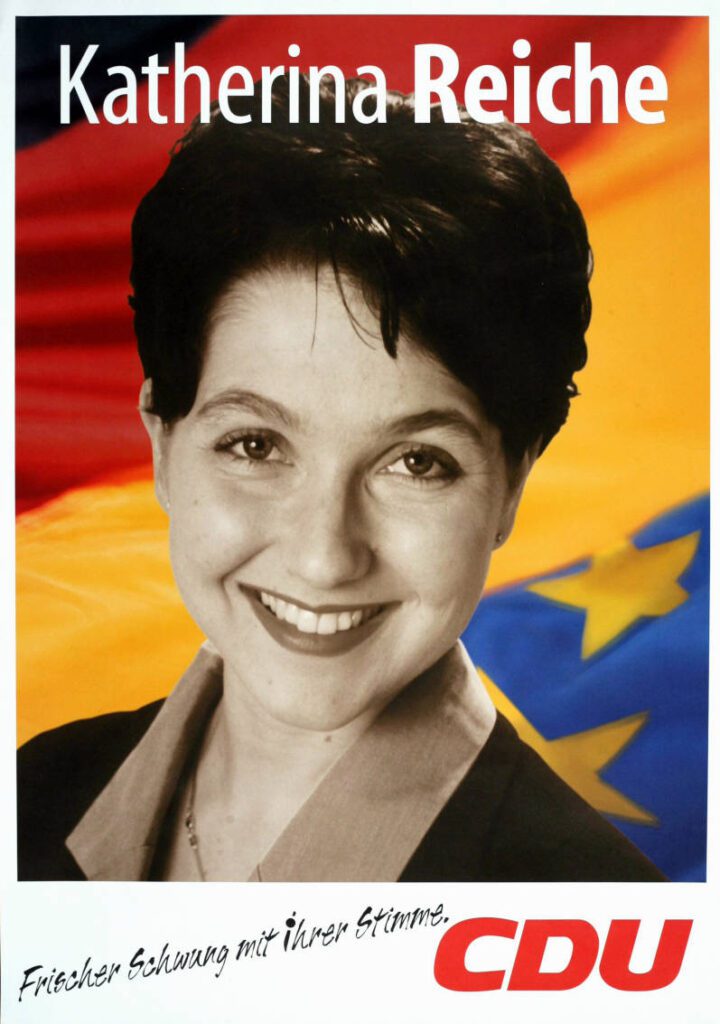
Katherina Reiche’s career is marked by a dynamic trajectory through national politics and the highest echelons of the corporate energy sector, culminating in a return to a cabinet-level position. Her political journey began early; in 1992, she was a founding member of the Association of Christian-Democrat Students (RCDS) in Potsdam and joined the Christian Democratic Union’s (CDU) youth wing, the Junge Union. She officially became a member of the CDU in 1996. Her rise was swift, and in 1998, at the age of 25, she was elected as a member of the German Bundestag, the federal parliament. Over her 17-year tenure in parliament, from 1998 to 2015, Reiche established herself as a key voice on policy matters. She served as the chair of the CDU/CSU parliamentary group’s working committee on Education and Research from 2002 to 2005. Her influence grew when she was appointed Deputy Chairwoman of the CDU/CSU parliamentary group in 2005, a role she held until 2009. In this capacity, she was responsible for policy on education, research, environment, nature conservation, and nuclear safety.
In 2009, under the second government of Chancellor Angela Merkel, Reiche was appointed Parliamentary State Secretary at the Federal Ministry for the Environment, Nature Conservation and Nuclear Safety. She served in this role until 2013, working under ministers Norbert Röttgen and later Peter Altmaier. Following the 2013 federal election, she transitioned to become the Parliamentary State Secretary at the Federal Ministry of Transport and Digital Infrastructure, serving under Minister Alexander Dobrindt until 2015. In September 2015, Reiche made the surprising decision to resign from her parliamentary mandate and leave politics. Her move directly into the private sector as the CEO of the German Association of Local Public Utilities (VKU), a major lobby group for municipal utilities, sparked considerable debate about the “revolving door” between politics and lobbying and led to calls for mandatory cooling-off periods for politicians. She led the VKU from 2015 to the end of 2019, representing the interests of around 1,500 local utility companies. Her next major career step came on January 1, 2020, when she was appointed Chairwoman of the Executive Board of Westenergie AG, a newly founded subsidiary of the German energy giant E.ON. At Westenergie, she was responsible for one of Germany’s largest regional energy service and infrastructure providers, with around 11,000 employees. During this period, she also became a prominent advocate for hydrogen technology, chairing the German government’s National Hydrogen Council from June 2020. After nearly a decade in the private sector, Reiche returned to the political stage. Following the 2025 federal election, she was appointed Federal Minister for Economic Affairs and Energy on May 6, 2025, in the cabinet of Chancellor Friedrich Merz. This appointment was seen as a strategic move to bring deep corporate and energy sector expertise directly into the government’s core economic team.
Katherina Reiche Personal Life & Family
Katherina Reiche’s personal life has occasionally been in the public eye, intertwined with her political career. She is the daughter of Klaus and Birgitt Reiche. In 2003, she married Sven Petke, who is also a CDU politician. Together, they have three children: two daughters and a son. Early in her career, she faced criticism from conservative circles within her own party when she was appointed to Edmund Stoiber’s competence team for the 2002 election campaign as an unmarried mother. This personal circumstance was seen by some as conflicting with the party’s traditional family values at the time, but it did not derail her political ascent. Reiche and Petke are now separated. In April 2025, it was publicly confirmed that Katherina Reiche is in a relationship with Karl-Theodor zu Guttenberg, a former Federal Minister of Defence and of Economics from the Christian Social Union (CSU), the Bavarian sister party to the CDU. Reiche is of the Evangelical faith.
Awards and Achievements of Katherina Reiche
- Mestemacher Prize “Manager of the Year 2021” – Awarded for her commitment to gender equality, including her efforts to increase the proportion of women in management positions and the “FEMpower-Akademie” she initiated at Westenergie.
Katherina Reiche Net Worth and Income
The specific net worth of Katherina Reiche is not publicly disclosed. As a top-level executive in the German energy industry, particularly as the CEO of Westenergie AG, and now as a federal minister, her income is substantial. However, precise figures regarding her personal wealth, investments, and assets are not available in the public domain. Her transition from politics to a high-paying lobby group and corporate leadership role drew criticism, fueling debates on the transparency of politicians’ earnings after leaving office. Following her appointment as minister in 2025, there were calls for greater transparency regarding her corporate shareholdings to avoid potential conflicts of interest, though she stated she held no shares that would lead to such a conflict.

Legacy and Influence
Katherina Reiche’s legacy is multifaceted, spanning her influential roles in both German politics and the energy industry. In politics, she was a significant figure in the CDU during the Merkel era, helping to shape policy in critical areas such as research, environment, and infrastructure. Her pragmatic approach and deep technical understanding, rooted in her scientific background as a chemist, set her apart. She was an early and staunch advocate for nuclear energy and later became a key driver of the national conversation around hydrogen as a future energy source. Her move to the private sector in 2015, while controversial, solidified her reputation as a powerful and well-connected figure in the German energy landscape. As head of the VKU and later Westenergie AG, she gained invaluable hands-on experience in the corporate world, managing large-scale operations and navigating the complexities of Germany’s “Energiewende” (energy transition) from an industry perspective. Her influence is now arguably at its peak in her role as Federal Minister for Economic Affairs and Energy, where she brings a unique blend of political acumen and direct corporate experience to one of the most challenging posts in the German government.
Interesting Facts about Katherina Reiche
- She is a passionate mountaineer and has stated that the experience of climbing, requiring teamwork and endurance, is something she applies to her professional life.
- During her studies, she participated in research stays abroad in both the United States (Clarkson University) and Finland (University of Turku).
- In 2012, while she was Parliamentary State Secretary for the Environment, she reportedly claimed that same-sex marriage was a bigger threat to Germany than the Eurozone crisis, a remark for which she was heavily criticized by LGBT groups.
- Her family’s business was founded by her grandfather in 1946, nationalized by the East German government in 1972, and then reprivatized after the fall of the Berlin Wall.
Controversies
Katherina Reiche’s career has not been without controversy. Her 2015 switch from Parliamentary State Secretary directly to the leadership of the VKU, a powerful lobbying association for municipal companies, drew sharp criticism from transparency organizations like LobbyControl. Critics argued that this “revolving door” move created potential conflicts of interest, as she could immediately leverage her political network and insider knowledge for her new role without a “cooling-off” period. More recently, in late 2025, her participation in a private, high-profile “Moving Mountains” summit in Tyrol, organized by her partner Karl-Theodor zu Guttenberg, came under scrutiny. The ministry’s initial reluctance to comment and its assertion that she attended in a purely private capacity were met with skepticism, especially after an event brochure listed her officially as “Her Excellency Katherina Reiche, Minister of Economic Affairs of the Federal Republic of Germany”. This raised questions about the separation of private interests and official duties.
Social Media Presence
Katherina Reiche does not appear to maintain public, personal social media profiles on major platforms like Instagram, X (formerly Twitter), or Facebook. However, the Federal Ministry for Economic Affairs and Energy (Bundesministerium für Wirtschaft und Energie or BMWE), which she leads, is active on various social media channels, including X, Instagram, LinkedIn, and YouTube. These official channels are used to communicate the ministry’s policies, initiatives, and public appearances by the minister.
Final Words about Katherina Reiche
As the current Federal Minister for Economic Affairs and Energy, Katherina Reiche stands at the forefront of Germany’s efforts to maintain economic competitiveness while pursuing an ambitious energy transition. Her unique background, combining a long political career with a decade of high-level corporate leadership in the energy sector, positions her as a central and formidable figure in the German government. Her supporters view her as a pragmatic and experienced leader uniquely qualified to bridge the gap between policy goals and industrial reality. Critics, however, remain wary of her close ties to the energy lobby and question whether her policies will prioritize corporate interests over broader public and environmental concerns. Her tenure as minister will be defined by her ability to navigate these complex challenges, foster innovation, and steer the German economy toward what she terms a future of sustainable growth and prosperity.