Brief Introduction of Will Darcy
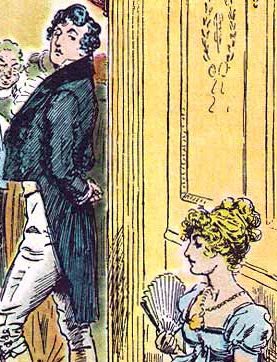
Fitzwilliam Darcy, commonly known as Mr. Darcy, is a celebrated figure in literary history, renowned as one of the central characters in Jane Austen’s seminal 1813 novel, Pride and Prejudice. He is the wealthy, aristocratic master of Pemberley, a grand estate in Derbyshire, and embodies the archetype of the aloof, proud romantic hero. Initially perceived as arrogant and class-conscious, his complex character unfolds to reveal a man of profound integrity, honor, and deep-seated loyalty. Mr. Darcy’s personal journey of overcoming his pride, largely influenced by his tumultuous relationship with the novel’s protagonist, Elizabeth Bennet, has captivated readers for over two centuries. His transformation from a haughty gentleman to a humbled and devoted partner remains one of the most compelling character arcs in English literature, making the Will Darcy biography a subject of enduring fascination and study.

Will Darcy Overview
| Full Name | Fitzwilliam Darcy |
| Date of Birth | Not specified in the source text, but his age is stated as 28. |
| Age(as of 2025) | Not applicable (Fictional character created in 1813) |
| Birthplace | England, likely at the family estate of Pemberley in Derbyshire. |
| Profession | Gentleman and Landowner; Master of the Pemberley Estate. |
| Husband/Wife | Elizabeth Bennet |
| Family | Mr. Darcy (Father, deceased), Lady Anne Fitzwilliam Darcy (Mother, deceased), Georgiana Darcy (Sister), Lady Catherine de Bourgh (Aunt), Anne de Bourgh (Cousin), Colonel Fitzwilliam (Cousin). |
| Relationship/Affairs(GF/BF) | Elizabeth Bennet |
| Net Worth | Stated as an income of £10,000 a year. |
Early Life and Education of Will Darcy
Fitzwilliam Darcy was born into the highest echelons of the English landed gentry. His father, the late Mr. Darcy, was the esteemed owner of Pemberley, and his mother was Lady Anne Fitzwilliam, the daughter of an Earl. This lineage placed him in a position of significant social standing, connected to the aristocracy through his maternal side. He and his younger sister, Georgiana, were raised with the expectation of upholding the family’s distinguished reputation. His upbringing instilled in him a strong sense of responsibility and integrity, but also a profound awareness of his social superiority. Darcy himself admitted to Elizabeth Bennet that he was taught to believe in the importance of his family’s consequence and was encouraged to be proud and selfish, principles he later came to regret. Alongside him in his formative years was George Wickham, the son of his father’s steward, whom his father treated almost as a second son. Darcy’s education would have been befitting a gentleman of his status, focusing on classical studies, estate management, and the social graces required of his class, though specific institutions are not mentioned in the text.
Will Darcy’s Career
As a member of the landed gentry, Fitzwilliam Darcy did not have a “career” or “profession” in the modern sense. His primary occupation was that of a landowner, specifically the master of the vast Pemberley estate in Derbyshire. This was a significant and demanding role that involved the comprehensive management of his lands, properties, and the numerous tenants who lived and worked on the estate. His responsibilities would have included overseeing finances, negotiating with tenants, and ensuring the productivity and maintenance of the estate’s resources. Evidence from his housekeeper, Mrs. Reynolds, suggests he was an exemplary master—just, kind, and respected by all who served him. His annual income was stated to be an impressive £10,000, placing him in the upper echelons of society. Beyond managing Pemberley, Darcy’s career involved upholding his family’s social standing, which included interactions with other prominent families and participation in the social seasons in London and other locales like Bath. A significant, albeit personal, “breakthrough” in his life was his intervention in the scandalous elopement of Lydia Bennet with George Wickham. Darcy took it upon himself to find the couple, pay off Wickham’s substantial debts, and secure their marriage, thereby saving the Bennet family from complete social ruin—an act that demonstrated his profound sense of honor and his growing love for Elizabeth.
Will Darcy Personal Life & Family
Fitzwilliam Darcy’s personal life is defined by his deep sense of duty to his family and his transformative relationship with Elizabeth Bennet. He is the elder son of the late Mr. Darcy and Lady Anne Fitzwilliam and has one younger sister, Georgiana Darcy, for whom he acts as a devoted guardian. His maternal aunt is the formidable Lady Catherine de Bourgh of Rosings Park, who initially intended for him to marry her own daughter, Anne de Bourgh, to unite their two great estates. Darcy is also close to his cousin, Colonel Fitzwilliam, the younger son of an earl. For much of his life, Darcy appears reserved and insular, admitting he does not find it easy to converse with people he does not know. His proud demeanor is a shield, masking a deeply feeling and honorable nature. The central event of his personal life is his courtship of Elizabeth Bennet. Initially, his pride in his social standing and her prejudice against him create a significant barrier. His first marriage proposal is famously rejected by Elizabeth due to his arrogant manner and his role in separating her sister Jane from his friend, Mr. Bingley. This rejection serves as a profound lesson in humility, forcing Darcy to re-evaluate his behavior and attitudes. His life is ultimately defined by his love for Elizabeth; he defies the expectations of his family, particularly the vociferous objections of Lady Catherine, to marry a woman he ardently admires for her intelligence and spirit. Their union represents a marriage of equals, founded on mutual respect and love rather than social or financial convenience.
Awards and Achievements of Will Darcy
As a fictional character from the Regency era, Fitzwilliam Darcy did not receive formal awards in a modern sense. His achievements are measured by his social standing, the successful management of his estate, and his personal acts of integrity and honor.
- Master of Pemberley: His primary achievement was the successful stewardship of his large and prosperous estate, Pemberley, which was known for its beauty, taste, and the well-being of its tenants.
- Preservation of the Bennet Family Honor: A significant personal achievement was his secret intervention to rectify the crisis caused by Lydia Bennet’s elopement with George Wickham. He single-handedly saved the Bennet family’s reputation from ruin through considerable personal effort and expense.
- Personal Transformation: Perhaps his greatest achievement was his profound personal growth. He overcame his ingrained pride and class prejudice, learning humility and earning the love of Elizabeth Bennet, a woman initially his harshest critic.
Will Darcy Net Worth and Income
Fitzwilliam Darcy’s financial standing is explicitly stated in Pride and Prejudice as an income of “ten thousand a year.” This substantial sum was derived from the revenues of his large estate, Pemberley, which included rents from tenant farmers and other land-based enterprises. In the context of the early 19th century, an income of £10,000 per annum placed him among the wealthiest members of the landed gentry, just below the great aristocratic lords. To contextualize this wealth, converting this sum into modern currency is complex, but economic historians estimate that its purchasing power would be equivalent to hundreds of thousands, if not millions, of pounds or dollars today, making him an exceptionally wealthy individual. This immense wealth, combined with the ownership of a magnificent estate, made him one of the most eligible bachelors in the country and a central figure in the social hierarchy depicted in the novel. The Will Darcy net worth was a key factor in the societal expectations placed upon him and the general perception of his character.

Legacy and Influence
The legacy of Fitzwilliam Darcy is immense, extending far beyond the pages of Pride and Prejudice to become a cornerstone of popular culture. He is widely regarded as the archetypal romantic hero: proud and seemingly unattainable, yet ultimately passionate and devoted. This trope has influenced countless characters in literature and film for over two centuries. The “Darcy” archetype—the brooding, wealthy, and initially misunderstood love interest—is a recurring figure in romance novels and cinematic productions. His character arc, which explores themes of pride, class, and the importance of self-reflection, provides a timeless commentary on social mores and personal growth. The influence of the Will Darcy biography is evident in modern adaptations and reinterpretations of Austen’s work, such as the Bridget Jones’s Diary series, which explicitly models its primary male love interest on him. His public image is that of the ideal romantic partner, a man whose initial flaws are overcome by a profound and unwavering love, making him an enduring symbol of romantic aspiration.
Interesting Facts about Will Darcy
- His first name, Fitzwilliam, is mentioned only twice in the novel. It was also his mother’s maiden name, a common practice at the time for distinguished families to preserve a family name.
- His aunt, Lady Catherine de Bourgh, is the sister of his mother, Lady Anne Fitzwilliam. His cousin, Colonel Fitzwilliam, is from the same maternal lineage.
- The estate of Pemberley is not just his home but also a powerful symbol of his character—it is described as handsome and elegant, without being gaudy or artificial, reflecting his true nature beneath his proud exterior.
- In the novel, he is stated to be 28 years old.
- His initial, famously insulting assessment of Elizabeth Bennet was, “She is tolerable, but not handsome enough to tempt me.”
Controversies
The central controversy surrounding Fitzwilliam Darcy within the narrative of Pride and Prejudice revolves around his character and actions as perceived by other characters, primarily Elizabeth Bennet. He is initially accused of excessive pride, snobbery, and interference in the personal lives of his friends. The main points of contention include his successful persuasion of his friend, Charles Bingley, to abandon his courtship of Jane Bennet due to the Bennet family’s perceived lack of social standing and propriety. He was also controversially—and falsely—accused by his lifelong rival, George Wickham, of cheating him out of an inheritance. This slander colored Elizabeth’s perception of him for a significant portion of the story. Darcy’s first marriage proposal to Elizabeth was itself a controversy, as he highlighted all the social reasons why their match was degrading to him even as he confessed his love, leading to her vehement rejection. These controversies are, however, systematically resolved as Darcy’s true character and noble intentions are revealed.
Social Media Presence
- Instagram – Not applicable
- Twitter – Not applicable
- YouTube – Not applicable
Final Words about Will Darcy
Fitzwilliam Darcy remains one of literature’s most iconic and beloved figures. As a character, he is a masterclass in complexity, representing the societal constraints and personal prejudices of his era while also demonstrating a remarkable capacity for change. His journey from a proud, aloof aristocrat to a self-aware and devoted husband is a powerful narrative of redemption and the transformative power of love. While rooted in the Regency period, the themes embodied in the Will Darcy wiki—the struggle between pride and vulnerability, the challenge of overcoming first impressions, and the courage to defy social convention for love—resonate universally. His legacy is not merely that of a romantic hero, but as a symbol of the idea that true worth is found in character rather than class, and that personal growth is the most rewarding journey of all. The story of Will Darcy and Elizabeth Bennet continues to be celebrated, ensuring his place in the literary canon for generations to come.
 Team Dailly WikiBio