
Brief Introduction of Burt Reynolds
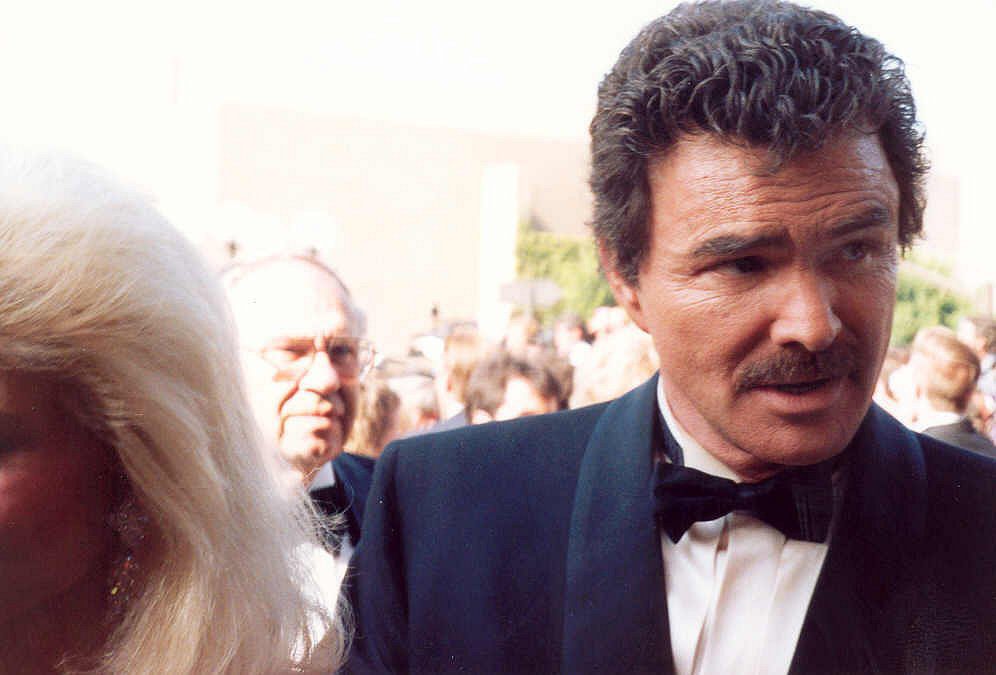
Burt Reynolds, born Burton Leon Reynolds Jr., was a quintessential American actor, director, and producer whose charismatic screen presence and distinctive humor made him one of Hollywood’s most beloved and bankable stars during the 1970s and early 1980s. Widely recognized for his roles in iconic films such as Deliverance, The Longest Yard, and the massively popular Smokey and the Bandit franchise, Reynolds captivated audiences with his effortless Southern charm and rugged good looks. His career spanned over six decades, transitioning from television to become a box-office powerhouse, ultimately earning him critical acclaim and a lasting legacy in American cinema. Reynolds’ ability to blend action, comedy, and drama solidified his status as an enduring Hollywood icon.
Burt Reynolds Overview
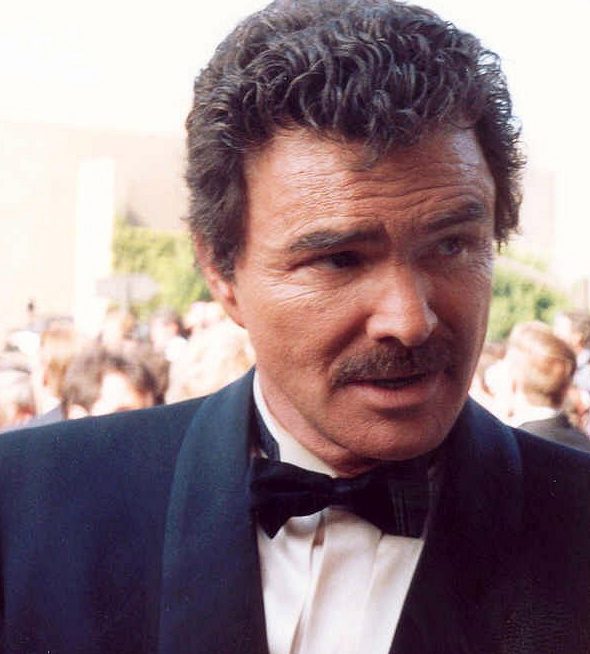
| Detail | Information |
|---|---|
| Full Name | Burton Leon Reynolds Jr. |
| Date of Birth | February 11, 1936 |
| Date of Death | September 6, 2018 |
| Age at Death | 82 years old |
| Birthplace | Lansing, Michigan, U.S. |
| Parents | Burton Milo Reynolds Sr. and Harriet Fernette “Fern” Miller |
| Height | 6 ft 0 in (183 cm) |
| Profession | Actor, Director, Producer |
| Spouses | Judy Carne (m. 1963; div. 1965) Loni Anderson (m. 1988; div. 1994) |
| Children | Quinton Anderson Reynolds (adopted) |
| Net Worth (at time of death in 2018) | Estimated $3 million – $5 million |
Early Life and Education of Burt Reynolds
Burton Leon Reynolds Jr. was born on February 11, 1936, in Lansing, Michigan, to Burton Milo Reynolds Sr. and Harriet Fernette “Fern” Miller. While he often claimed Waycross, Georgia, as his birthplace during his career, he clarified in 2015 that he was indeed born in Lansing, Michigan. His early childhood involved frequent relocation due to his father’s service in the United States Army during World War II. The family, including his mother and sister, resided at Fort Leonard Wood, Missouri, for two years before moving to Lake City, Michigan, his mother’s hometown, when his father was stationed in Europe.
In 1946, the Reynolds family settled in Riviera Beach, Florida, where his father later became the Chief of Police. In Riviera Beach, Reynolds was known by his nickname “Buddy”. During his time at Palm Beach High School, he excelled in football as a star running back, earning First Team All-State and All-Southern honors. His athletic prowess led him to receive a football scholarship to Florida State University, where he played as a halfback.
However, a promising professional football career was cut short by injuries. Reynolds sustained a knee injury in his sophomore year at Florida State and later, in December 1955, was involved in a severe car accident that resulted in further injuries, including the removal of his spleen and damage to his other knee. These injuries effectively ended his football aspirations.
Following his injuries, Reynolds enrolled at Palm Beach Junior College (PBJC) in early 1956 to continue his studies. It was there that his life took a pivotal turn. An English professor, Watson B. Duncan III, encouraged Reynolds to audition for a school play, Outward Bound, after hearing him read Shakespeare in class. Reynolds landed a lead role and his performance earned him a best actor award at the 1956 Palm Beach Junior College Drama Awards. This initial success in acting provided him with a scholarship to the Hyde Park Playhouse, a summer stock theater in New York, where he began his journey into the performing arts. He later referred to Duncan as his mentor and the most influential person in his life. After his summer stock experience, Reynolds moved to New York City to pursue acting classes, studying alongside future stars and laying the groundwork for his extensive career.
Burt Reynolds’ Career
Burt Reynolds’ career in entertainment began in the late 1950s with guest appearances on television shows such as Flight, M Squad, Schlitz Playhouse, and Pony Express. His early performances garnered attention, leading to a seven-year contract with Universal Studios. His first significant break came with a regular role on the television series Riverboat from 1959 to 1960, co-starring with Darren McGavin. This was followed by his iconic role as the half-Comanche blacksmith Quint Asper on the highly popular Western series Gunsmoke, where he appeared from 1962 to 1965, becoming a familiar face to television audiences. He also starred in other TV series like Hawk (1966) and Dan August (1970–1971).
Reynolds made his film debut in 1961 with Angel Baby, followed by other early film roles such as Operation C.I.A. (1965), Navajo Joe (1966), and 100 Rifles (1969). However, his true breakthrough on the big screen arrived in 1972 with his intense portrayal of Lewis Medlock in the critically acclaimed thriller Deliverance. This role not only established him as a serious actor but also catapulted him to stardom and sex symbol status. In the same year, Reynolds further cemented his public image by becoming the first male nude centerfold in Cosmopolitan magazine, a decision he later expressed some regret over, despite its contribution to his notoriety.
Throughout the mid-1970s and early 1980s, Burt Reynolds became one of Hollywood’s most sought-after and bankable stars, enjoying a remarkable six-year box-office reign. His filmography during this period included a string of commercial successes: White Lightning (1973), which began his signature “car chase” film genre, The Longest Yard (1974), and arguably his most famous film, Smokey and the Bandit (1977). He reprised his role in sequels, Smokey and the Bandit II (1980) and Cannonball Run II (1984), and starred in other hits like Hooper (1978), Starting Over (1979), The Cannonball Run (1981), and The Best Little Whorehouse in Texas (1982). Many of these films, including Gator (1976), the sequel to White Lightning, and Sharky’s Machine (1981), he also directed. From 1978 to 1982, Reynolds was voted the number one box-office star in America for five consecutive years, a testament to his immense popularity.
By the mid-1980s, while still prolific, his box office dominance began to wane, partly due to a series of less successful films and personal injuries sustained from performing his own stunts, including a shattered jaw during the filming of City Heat (1984). He made a successful return to television in the early 1990s, starring as Wood Newton in the sitcom Evening Shade (1990–1994), for which he earned an Emmy Award.
Reynolds experienced a significant career resurgence and critical acclaim in 1997 with his role as pornographic film director Jack Horner in Paul Thomas Anderson’s Boogie Nights. This performance earned him numerous accolades, including an Academy Award nomination for Best Supporting Actor and a Golden Globe Award. Despite reported conflicts with director Anderson, the role was a pivotal moment in his later career. He continued to work steadily in various film and television projects, including a role as a congressman in Striptease (1996) and later appearing in an Adam Sandler remake of The Longest Yard (2005). One of his final critically acclaimed roles was in the 2017 film The Last Movie Star, which resonated deeply as he portrayed an aging actor reflecting on his career. Burt Reynolds remained active in the entertainment industry until his passing in 2018.
Burt Reynolds Personal Life & Family
Burt Reynolds’ personal life was as high-profile and captivating as his career, often making headlines for his relationships. He was married twice and had several notable romances throughout his life. His first marriage was to English actress and comedienne Judy Carne, known from Laugh-In. They married in 1963 and divorced in 1965.
Following his divorce from Carne, Reynolds had a widely publicized relationship with singer and talk show host Dinah Shore, who was 20 years his senior. Their romance lasted from 1971 to 1975. He later entered into a highly visible and much-adored relationship with his frequent co-star, Sally Field, which lasted from 1976 to 1980. Reynolds frequently referred to Field as the “love of his life” and later expressed profound regret over their breakup, acknowledging that he had let her get away.
His second marriage was to actress Loni Anderson in 1988. This union, marked by extravagance, included Reynolds famously purchasing a wedding ring in every gemstone to match Anderson’s outfits. Together, they adopted a son, Quinton Anderson Reynolds. Their marriage, however, was turbulent and ended in a contentious and financially costly divorce in 1994.
Beyond his romantic relationships, Burt Reynolds was a lifelong and passionate fan of American football, stemming from his collegiate playing days. He was even a minority owner of the Tampa Bay Bandits of the USFL from 1982 to 1986, a team whose name was inspired by his famous Smokey and the Bandit films. Reynolds also maintained a strong connection to his home state of Florida, demonstrating a deep philanthropic commitment to the arts. He founded and supported the Burt Reynolds Institute for Film and Theatre in Jupiter, Florida, which provided college-level training in various aspects of theater and filmmaking. This initiative reflected his dedication to nurturing new talent in the entertainment industry.
Awards and Achievements of Burt Reynolds
Burt Reynolds’ illustrious career was marked by numerous awards and recognitions, underscoring his talent and immense popularity. His ability to deliver captivating performances across genres earned him critical acclaim and the affection of audiences worldwide.
Major Awards and Honors:
- Academy Award Nomination: Best Supporting Actor for his role as Jack Horner in Boogie Nights (1997).
- Golden Globe Award: Best Supporting Actor – Motion Picture for Boogie Nights (1997). He was also nominated twice for the Golden Globe Award for Best Actor in a Motion Picture – Musical or Comedy.
- Emmy Award: Outstanding Lead Actor in a Comedy Series for his performance as Wood Newton in Evening Shade (1991).
- People’s Choice Awards: He held a record of nine People’s Choice Awards, reflecting his immense popularity with the public.
- No. 1 Box Office Star: For an unprecedented five consecutive years (1978-1982), Reynolds was voted the number-one box-office attraction, a testament to his star power.
- Florida State Drama Award: For his lead performance in the play Outward Bound (1956) during his time at Palm Beach Junior College, which earned him a scholarship for summer stock theater.
- Honorary Doctorate: Awarded by Florida State University in 1981, acknowledging his contributions and connection to the institution.
These accolades highlight Reynolds’ diverse talents, from his dramatic breakthrough in Deliverance to his comedic genius in films like Smokey and the Bandit, and his late-career triumph in Boogie Nights. His achievements not only brought him personal recognition but also significantly impacted the film industry, particularly in bringing film production to the Southern United States.

Burt Reynolds Net Worth and Income
At the pinnacle of his career in the late 1970s and early 1980s, Burt Reynolds was one of the highest-paid actors in Hollywood, commanding salaries of up to $10 million per film. His estimated net worth at its peak in the late 1980s was approximately $60 million, a figure that would be equivalent to around $150 million to $200 million today when adjusted for inflation. During this golden era, his income primarily stemmed from his blockbuster film roles, including hits like Smokey and the Bandit, The Longest Yard, and The Cannonball Run, which collectively grossed hundreds of millions at the box office. He was also involved in directing several of his own films, further contributing to his earnings.
Despite his massive earnings, Reynolds faced significant financial challenges later in his life. His substantial fortune gradually dwindled due to a combination of factors, including a lavish lifestyle, failed business ventures and investments, and a highly expensive divorce settlement from Loni Anderson. His spending habits at his peak were legendary, including owning several mansions, a 160-acre ranch in Florida with 150 horses, a private jet, and a helicopter.
These financial difficulties culminated in him filing for Chapter 11 bankruptcy in 1996. At the time of his bankruptcy, his assets were reported to total $6.65 million, while his debts had accumulated to $11.2 million. Among the more unusual debts reported was $121,000 owed to his toupee maker.
Following his bankruptcy, Reynolds continued to work in television and film, notably with his syndicated series Evening Shade, which helped him pay off a significant portion of his debt. However, his annual income significantly declined from his peak. At the time of his death in September 2018, Burt Reynolds’ net worth was estimated to be between $3 million and $5 million, with $3 million commonly cited across various credible sources. It was also reported that he was living on a property in Hobe Sound, Florida, which he previously owned but had been bought out of foreclosure by a friend, to whom Reynolds paid a nominal rent.
Legacy and Influence
Burt Reynolds left an indelible mark on Hollywood and popular culture, solidifying his legacy as one of America’s most recognizable and beloved film and television personalities. His impact transcended his acting roles; he defined an era with his distinctive blend of rugged masculinity, relaxed charm, and self-deprecating humor. Reynolds was a trailblazer, breaking traditional Hollywood molds and connecting with audiences on a deeply personal level through his frequent and witty talk show appearances.
His influence on the film industry was particularly notable in the Southern United States. Reynolds’ commitment to filming in the South, especially Georgia, during his peak popularity with films like Smokey and the Bandit and The Cannonball Run, significantly contributed to the region becoming a major hub for film production. He demonstrated a philanthropic commitment to his native Florida through initiatives like the Burt Reynolds Institute for Film and Theatre in Jupiter, Florida, which continues to provide education and training for aspiring actors and filmmakers. This reflects his dedication to fostering new talent and ensuring the continuity of artistic expression.
Reynolds’ extensive filmography, encompassing nearly 100 films and 200 television episodes, showcases his versatility, from intense dramatic performances in films like Deliverance to his iconic comedic roles. His ability to portray charming, macho, and often anti-heroic characters resonated with a wide audience, making him a consistent box-office draw for years. Even after facing personal and financial setbacks, his late-career resurgence, particularly with his Academy Award-nominated performance in Boogie Nights, reaffirmed his enduring talent and resilience. Burt Reynolds is remembered not just for his captivating performances but for his authentic persona and significant cultural footprint that shaped a generation of moviegoers.
Interesting Facts about Burt Reynolds
- Nickname “Buddy”: During his childhood in Riviera Beach, Florida, Burt Reynolds was affectionately known by the nickname “Buddy”.
- Birthplace Clarification: For many years, Reynolds claimed his birthplace was Waycross, Georgia, but in 2015, he publicly clarified that he was actually born in Lansing, Michigan.
- Nude Centerfold: In 1972, he famously became the first male to pose nude as a centerfold for Cosmopolitan magazine, a move that generated significant publicity but one he later expressed regret for.
- Stunt Work: Reynolds was known for doing many of his own stunts in his early career, which unfortunately led to several injuries, including a shattered jaw during the filming of City Heat (1984).
- Lifelong Mentor: He credited his college English professor, Watson B. Duncan III, as his lifelong mentor and the most influential person in his life, particularly for encouraging him to pursue acting.
- Lavish Spending: At the height of his fame, Reynolds maintained a remarkably extravagant lifestyle. This included owning multiple mansions, a 160-acre ranch in Florida where he kept 150 horses, a private jet, and a helicopter.
- Toupee Debt: During his 1996 bankruptcy proceedings, it was revealed that among his substantial debts, he owed $121,000 to his toupee maker.
- Living Arrangement After Bankruptcy: After his Florida estate was foreclosed upon, a long-time friend and neighbor purchased the property and allowed Reynolds to continue living there for a nominal rent until his death.
- Football Fandom: A passionate football fan, Reynolds was a minority owner of the Tampa Bay Bandits, a USFL team, whose name was inspired by his hit movie franchise, Smokey and the Bandit.
- On Regret: Reynolds famously stated, “I’ve waited 15 years to do a really good movie. I made so many bad pictures. I was never able to turn anyone down. The greatest curse in Hollywood is to be a well-known unknown.”
Controversies
Burt Reynolds’ public life, while largely celebrated, was not without its share of controversies and challenges. These issues often contributed to his public image, adding layers to his larger-than-life persona.
- Cosmopolitan Nude Centerfold (1972): One of the most talked-about events in Reynolds’ career was his decision to pose nude for the April 1972 issue of Cosmopolitan magazine. While it instantly elevated his status as a sex symbol and garnered immense publicity just before the release of Deliverance, Reynolds later expressed regret, stating he found it a “dumb thing to do”. The move was controversial for its time and significantly shaped his image, potentially overshadowing his serious acting ambitions for a period.
- Volatile Divorce from Loni Anderson (1994): His second marriage to actress Loni Anderson, which began in 1988, ended in a highly public and acrimonious divorce in 1994. The split was financially costly and marked by mutual accusations and tabloid fodder, with Reynolds publicly accusing Anderson of infidelity and Anderson citing emotional abuse. The divorce settlement reportedly included a lump sum payment and ongoing spousal support. This contentious separation heavily impacted Reynolds’ personal life and contributed to his significant financial downturn.
- Financial Troubles and Bankruptcy (1996): Despite being one of Hollywood’s highest-paid stars, Reynolds experienced severe financial difficulties due to a lavish lifestyle, failed business ventures, and the costly divorce. These issues culminated in him filing for Chapter 11 bankruptcy in 1996, revealing over $11 million in debts against $6.65 million in assets. His financial woes became a very public spectacle, highlighting the precarious nature of even superstar fortunes.
- Conflicts During Boogie Nights (1997): While his role in Boogie Nights earned him an Academy Award nomination, reports indicated significant creative differences and heated exchanges between Reynolds and director Paul Thomas Anderson. Reynolds reportedly disliked Anderson’s directing style and the subject matter, initially being reluctant to take the role and remaining somewhat averse to it even after its critical success.
These controversies, while challenging, ultimately became part of the complex narrative of Burt Reynolds’ life, showcasing his human struggles alongside his professional triumphs.
Social Media Presence
As Burt Reynolds passed away in 2018, he no longer maintains an active personal social media presence. However, his enduring legacy and the impact of his work continue to be honored and shared across various online platforms by fans, institutions, and media outlets.
- Burt Reynolds Institute for Film & Theatre: The Burt Reynolds Institute for Film & Theatre in Jupiter, Florida, which he founded and actively supported, continues its mission of training young performers. While specific follower counts for its social media might fluctuate, its online presence serves as a living testament to his commitment to arts education and allows his legacy to inspire new generations of artists.
- Fan Pages and Archival Content: Numerous fan pages, tribute accounts, and communities dedicated to Burt Reynolds exist across platforms like Instagram, Twitter (now X), and YouTube. These accounts share clips from his films, classic interviews, memorable quotes, and biographical information, keeping his memory and work alive for millions of followers and new fans worldwide.
- Media and Entertainment Archives: Major media outlets, film archives, and entertainment databases (like IMDb, Wikipedia, and various news sites) consistently feature articles, biographies, filmographies, and image galleries related to Reynolds, ensuring his extensive career is well-documented and easily accessible online for research and appreciation.
Although Reynolds himself is no longer online, his digital footprint is robust, sustained by the admiration of a global audience and the ongoing efforts of organizations that preserve and promote his contributions to the world of entertainment. His presence online is one of enduring influence rather than active participation.
Final Words about Burt Reynolds
Burt Reynolds, born Burton Leon Reynolds Jr., was an irreplaceable figure in the annals of Hollywood, whose career spanned a remarkable six decades until his passing in 2018. He was more than just an actor; he was a cultural phenomenon, embodying a unique blend of rugged charm, self-deprecating wit, and raw talent that resonated with audiences across generations. From his early days as a football star whose athletic dreams were cut short by injury, to his transformation into a television sensation and ultimately a global box-office king, Reynolds navigated the tumultuous waters of fame with an often candid and endearing honesty.
His golden era in the late 1970s and early 1980s saw him dominate the box office with iconic roles in films like Smokey and the Bandit, The Longest Yard, and Deliverance, cementing his status as a cinematic legend. Despite the immense financial success and adoration, his life also saw its share of challenges, including a high-profile divorce and significant financial struggles that led to bankruptcy. Yet, even through adversity, Reynolds demonstrated resilience, making a notable comeback with his Academy Award-nominated performance in Boogie Nights, proving his acting prowess remained undiminished.
His legacy extends beyond his performances; it encompasses his dedication to fostering new talent through institutions like the Burt Reynolds Institute for Film and Theatre and his role in shaping the film industry in the American South. Burt Reynolds will forever be remembered as an actor who not only entertained millions but also carved out a distinct niche in Hollywood with his unforgettable charisma and genuine personality. His life, marked by triumphs and tribulations, serves as a testament to the enduring power of a true movie star.
 Team Dailly WikiBio