

Brief Introduction of Angus Hall
Angus Hall (1932-2009) was a prolific British author and journalist, recognized for his extensive contributions to the crime, thriller, and horror genres. Born Albert Angus Hall, he began his career as a film and theatre critic on London’s famed Fleet Street before transitioning to fiction writing. His work is characterized by a distinct evolution from early crime thrillers to a deep fascination with the supernatural, occult, and psychological horror. Several of his novels were adapted for the screen, most notably his book Qualtrough, which became the basis for the 1974 horror film Madhouse, starring Vincent Price. In addition to his fiction, Hall was a respected author of non-fiction works, delving into subjects like cults, monsters, and prophecy. The Angus Hall biography reveals a versatile writer who successfully navigated multiple genres, leaving a significant mark on mid-20th-century popular fiction.
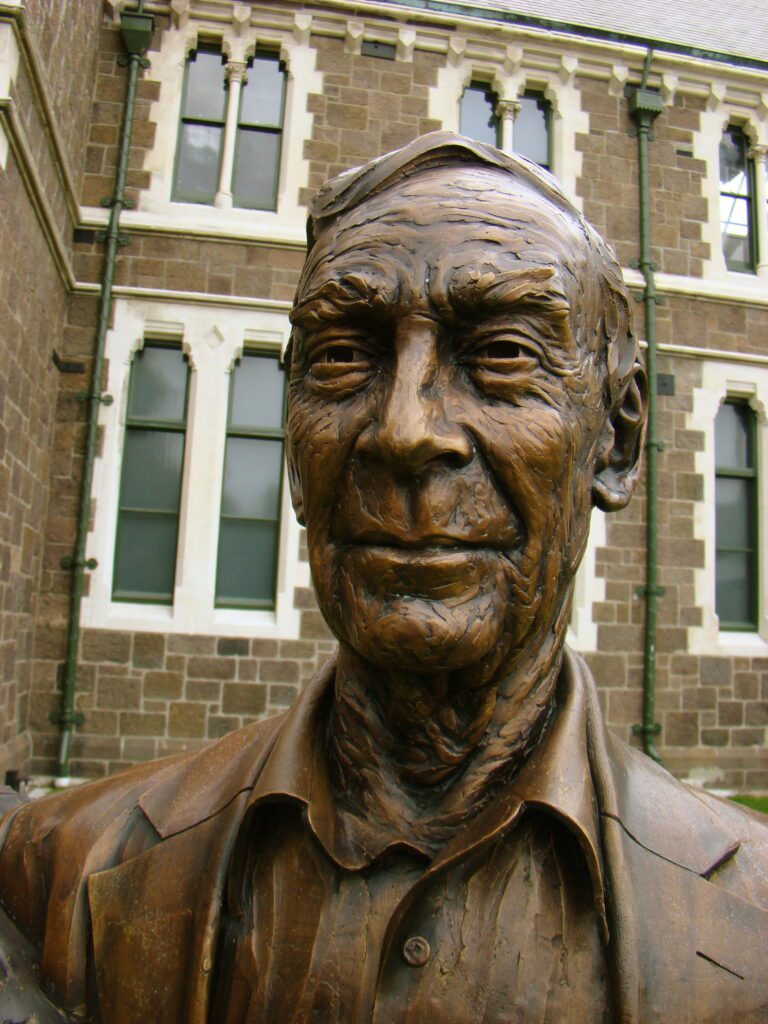
Angus Hall Overview
| Full Name | Albert Angus Hall |
| Date of Birth | 24 March 1932 |
| Age(as of 2025) | Deceased (Died in 2009 at age 77) |
| Birthplace | Newcastle upon Tyne, Northumberland, England |
| Profession | Author, Novelist, Journalist, Critic |
| Husband/Wife | Not publicly available |
| Family | Not publicly available |
| Relationship/Affairs(GF/BF) | Information not disclosed |
| Net Worth | Not publicly available |
Early Life and Education of Angus Hall
Angus Hall was born in Newcastle upon Tyne, England, on March 24, 1932. Details about his upbringing, parents, and formal education are not widely documented in publicly available sources. His career path suggests a strong foundation in literature and the arts. Before becoming a full-time novelist, Hall worked as a journalist, specifically as a film and theatre critic. This period, spent on Fleet Street, the traditional heart of the British newspaper industry, undoubtedly honed his writing skills and gave him a unique perspective on narrative and performance, which would later influence his fictional works. His transition from critic to creator was a significant step, moving from analyzing the work of others to building worlds of his own. This background in journalism provided him with the discipline and proficiency necessary for the prolific career that would follow.
Angus Hall’s Career
Angus Hall’s literary career began in the early 1960s, emerging from his work as a journalist. His debut novel, Love in Smoky Regions, was published in 1962 and marked his entry into the world of crime fiction. Throughout the 1960s, he established himself as a reliable author of crime thrillers, publishing several titles including The High-Bouncing Lover (1966), Live Like a Hero (1967), and The Come-Uppance of Arthur Hearne (1967).
A significant turning point in his career occurred in the late 1960s and early 1970s when his thematic focus shifted from conventional crime to the darker realms of psychological horror and the supernatural. This transition began with the 1968 novel Qualtrough, a chilling tale that explored the mind of a troubled actor. This novel was republished under the title Devilday in 1969 and is perhaps his most famous work due to its cinematic adaptation. The book was made into the 1974 horror film Madhouse, which brought Hall’s work to a wider international audience and starred the iconic horror actor Vincent Price. Another of his novels, The Late Boy Wonder (1969), was also adapted for the screen as the 1970 film Up in the Cellar.
During the 1970s, Hall fully embraced the horror genre, a move that coincided with a surge in popular interest in the occult. He contributed to this trend not only with his fiction but also through his novelization of the 1971 Hammer Horror film, The Scars of Dracula. This cemented his reputation within the genre. He continued to write suspenseful novels like A Long Way to Fall (1971) and To Play the Devil (1971). Beyond his novels, Hall authored a significant body of non-fiction work that explored the very themes present in his horror writing. He wrote extensively on paranormal and mysterious subjects in books such as The Supernatural: Signs of Things to Come (1975), Monsters and Mythic Beasts (1975), and Strange Cults (1976). These works showcased his deep interest in folklore, mythology, and the esoteric, providing a factual counterpoint to his fictional explorations. His career continued into the 1980s with novels like The Rigoletto Murder (1978) and Self-Destruct (1985), demonstrating his enduring commitment to the thriller genre.
Angus Hall Personal Life & Family
Information regarding Angus Hall’s personal life, including details about any marriage (Angus Hall husband/wife), children, or other family connections, is not publicly available. He was known to be a private individual, and details of his life outside of his writing career were not widely publicized. His final years were spent in Paignton, a seaside town in Devon, England, where he passed away in 2009. Any information about his relationships or family affairs (Angus Hall gf/bf) remains undisclosed.
Awards and Achievements of Angus Hall
There is no publicly available record of Angus Hall receiving any major literary awards for his work. His primary achievement lies in his prolific output and his successful career as a popular genre fiction writer whose work was adapted for film.

Angus Hall Net Worth and Income
There are no verifiable public records detailing the Angus Hall net worth. Financial information for authors of his era is rarely disclosed, and any estimation would be purely speculative. His income would have been derived from royalties from his numerous published books, both fiction and non-fiction, as well as fees from the film rights and novelizations he wrote. As of 2025, the Angus Hall net worth remains a matter of private record.
Legacy and Influence
Angus Hall’s legacy is that of a versatile and industrious writer who made a significant contribution to British popular fiction in the mid-20th century. He was part of a generation of authors who skillfully blended crime and suspense with the growing public appetite for horror and the supernatural. His work is particularly notable for its psychological depth, often exploring the fragile and dark aspects of the human mind. The adaptation of his novel into the film Madhouse ensured his work a place in the annals of 1970s horror cinema. Furthermore, his non-fiction books on the occult and paranormal phenomena catered to and helped fuel the popular interest in these subjects during that period, making him a key voice in the genre’s mainstream breakthrough. Though not as widely remembered today as some of his contemporaries, the Angus Hall wiki and bibliography reflect a career of substance and variety.
Interesting Facts about Angus Hall
- He began his writing career as a film and theatre critic on Fleet Street in London.
- His novel Qualtrough was published under two other titles: Devilday and Madhouse.
- He wrote the official novelization for the 1971 Hammer Horror film The Scars of Dracula.
- In addition to his fiction, he was a serious author of non-fiction books on the supernatural, cults, and mythology.
- His work was adapted for film by Amicus Productions, a notable competitor to Hammer Film Productions in the British horror market.
Controversies
There are no publicly recorded controversies associated with Angus Hall.
Social Media Presence
Angus Hall passed away in 2009, before the widespread rise of social media. He did not have any official social media presence.
- Instagram – Not available
- Twitter – Not available
- YouTube – Not available
Final Words about Angus Hall
Angus Hall remains a noteworthy figure in the landscape of British genre fiction. His journey from respected critic to a prolific novelist of both crime and horror demonstrates a deep understanding of narrative suspense and a keen sense of popular tastes. While personal details about his life remain scarce, his extensive body of work speaks for itself. He created gripping thrillers, delved into the dark corners of horror, and explored the mysteries of the occult with intellectual curiosity. His contributions to the horror boom of the 1970s, both through his original novels and his non-fiction explorations, secure his place as an important voice of his time. Angus Hall’s legacy lives on through his books, offering readers a gateway into the thrilling and often unsettling worlds he so skillfully crafted.
 Team Dailly WikiBio