
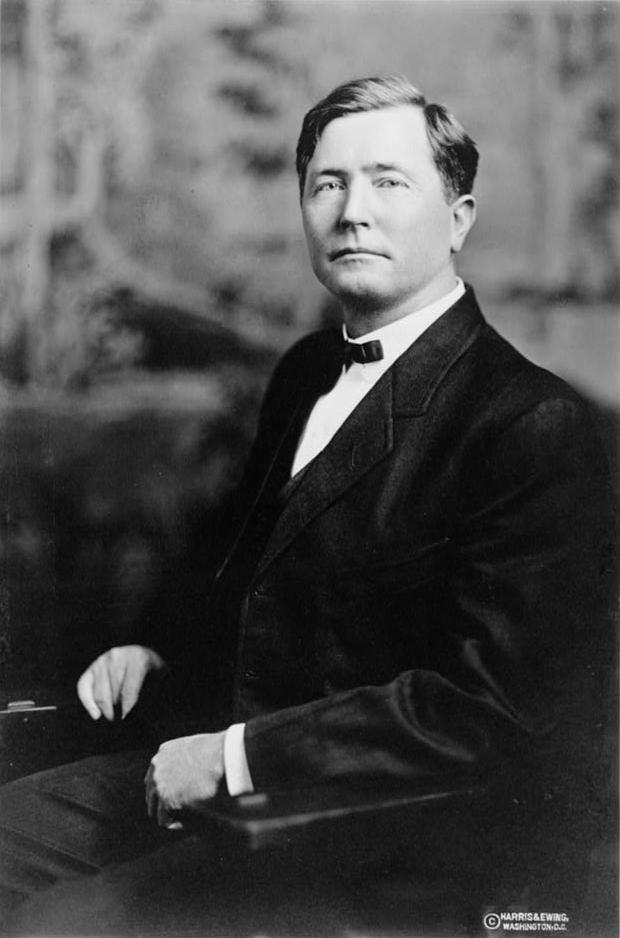
ETO: A Man of Law, Politics, and Social Reform
Brief Introduction of Oscar Ewing
Oscar Ross Ewing was a prominent American lawyer, social reformer, and influential political figure of the 20th century. He is best known for his pivotal role in President Harry S. Truman’s administration as the Federal Security Agency (FSA) Administrator from 1947 to 1952. A lifelong Democrat, Ewing was a key architect of Truman’s Fair Deal program, a set of ambitious domestic policies aimed at expanding social welfare and civil rights. As head of the FSA, the predecessor to the Department of Health, Education, and Welfare, he championed progressive causes such as national health insurance, the expansion of Social Security, and the desegregation of health facilities. His dedication to public service and his close relationship with President Truman made him a powerful force in shaping post-war American society.
Oscar Ewing Overview
| Full Name | Oscar Ross Ewing |
| Date of Birth | March 8, 1889 |
| Age(as of 2025) | Deceased (Died on January 8, 1980, at age 90) |
| Birthplace | Greensburg, Indiana, U.S. |
| Profession | Lawyer, Politician, Social Reformer |
| Husband/Wife | Helen E. Dennis (married 1915, died 1953), Mary Whiting MacKay Thomas (married 1955) |
| Family | Parents: George McClellan Ewing and Nettie Ross Ewing. Children: Two sons from his first marriage, James D. Ewing and George Ewing. |
| Relationship/Affairs(GF/BF) | Not publicly available. |
| Net Worth | Not publicly available. |
Early Life and Education of Oscar Ewing
Oscar Ross Ewing was born on March 8, 1889, in the small Midwestern town of Greensburg, Indiana, to George McClellan Ewing and Nettie Ross Ewing. His father was a local merchant. Ewing had a happy childhood and attended public schools in Greensburg, where he was an active student, particularly in debating. He served as the president of his senior class at Greensburg High School, from which he graduated in 1906. Demonstrating a strong academic inclination from an early age, Ewing went on to attend Indiana University. He graduated in 1910 and then pursued a law degree at the prestigious Harvard Law School, completing his studies in 1913. His early life in Indiana instilled in him a strong work ethic and a commitment to public service that would define his later career.
Oscar Ewing’s Career
Oscar Ewing’s long and distinguished career spanned law, politics, and public service. After graduating from Harvard Law School, he briefly taught at the University of Iowa Law School before joining a law firm in Indianapolis. His legal career was briefly interrupted by World War I, during which he served in the U.S. Army and was discharged with the rank of captain in 1919. Following his military service, Ewing moved to New York City and in 1920 joined the esteemed law firm of Hughes, Schurman and Dwight, headed by future Chief Justice Charles Evans Hughes. In 1937, he co-founded the law firm of Hughes, Hubbard, and Ewing.
Ewing’s foray into national politics began in the 1940s. He served as the assistant chairman of the Democratic National Committee from 1940 to 1942 and was later promoted to vice chairman, a position he held until 1947. He was a special U.S. prosecutor on two notable occasions. In 1942, he successfully prosecuted William Dudley Pelley, the leader of the pro-Nazi Silver Shirts, for sedition. In 1947, he secured treason convictions against Douglas Chandler and Robert Best, who had broadcasted Nazi propaganda during World War II.
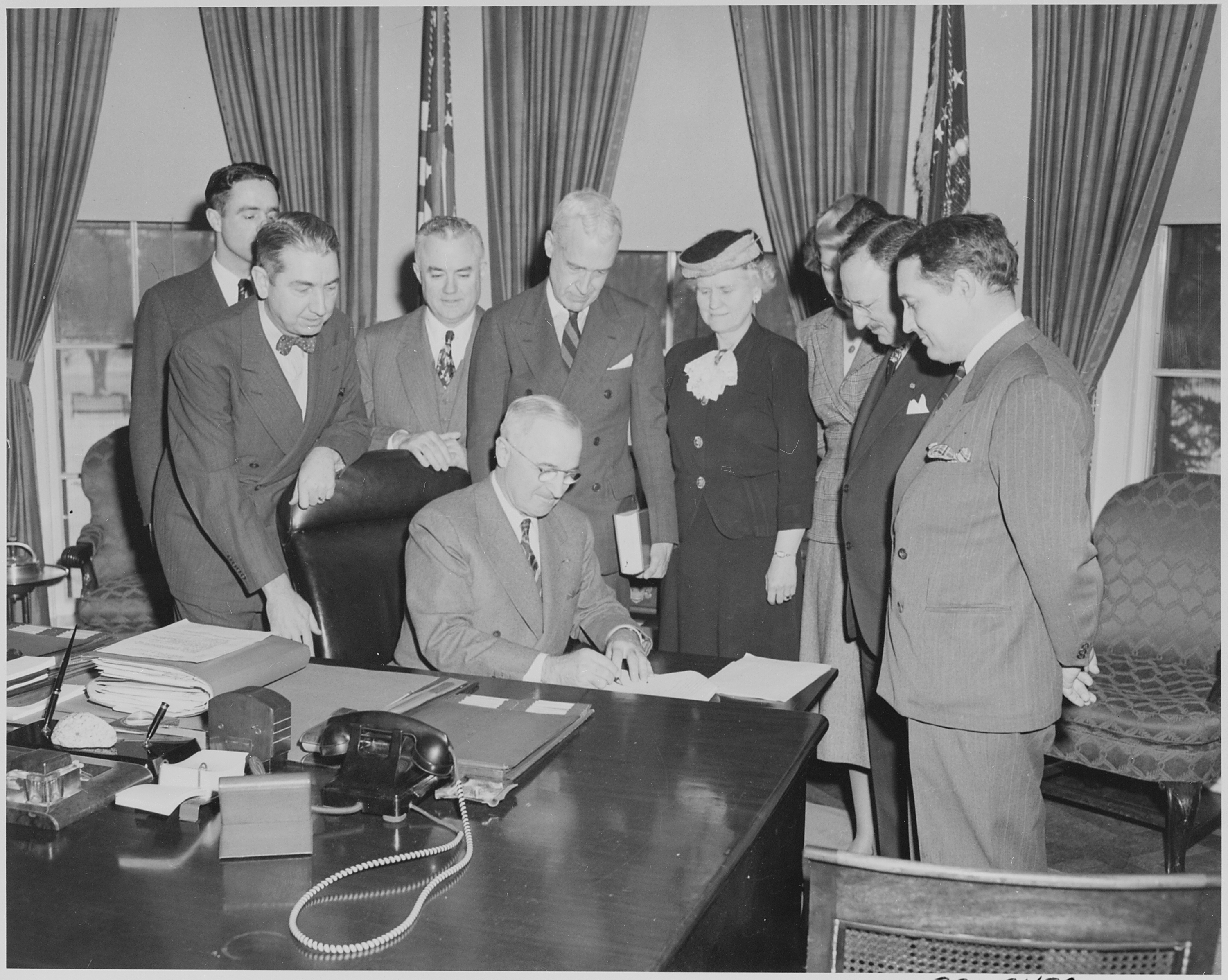
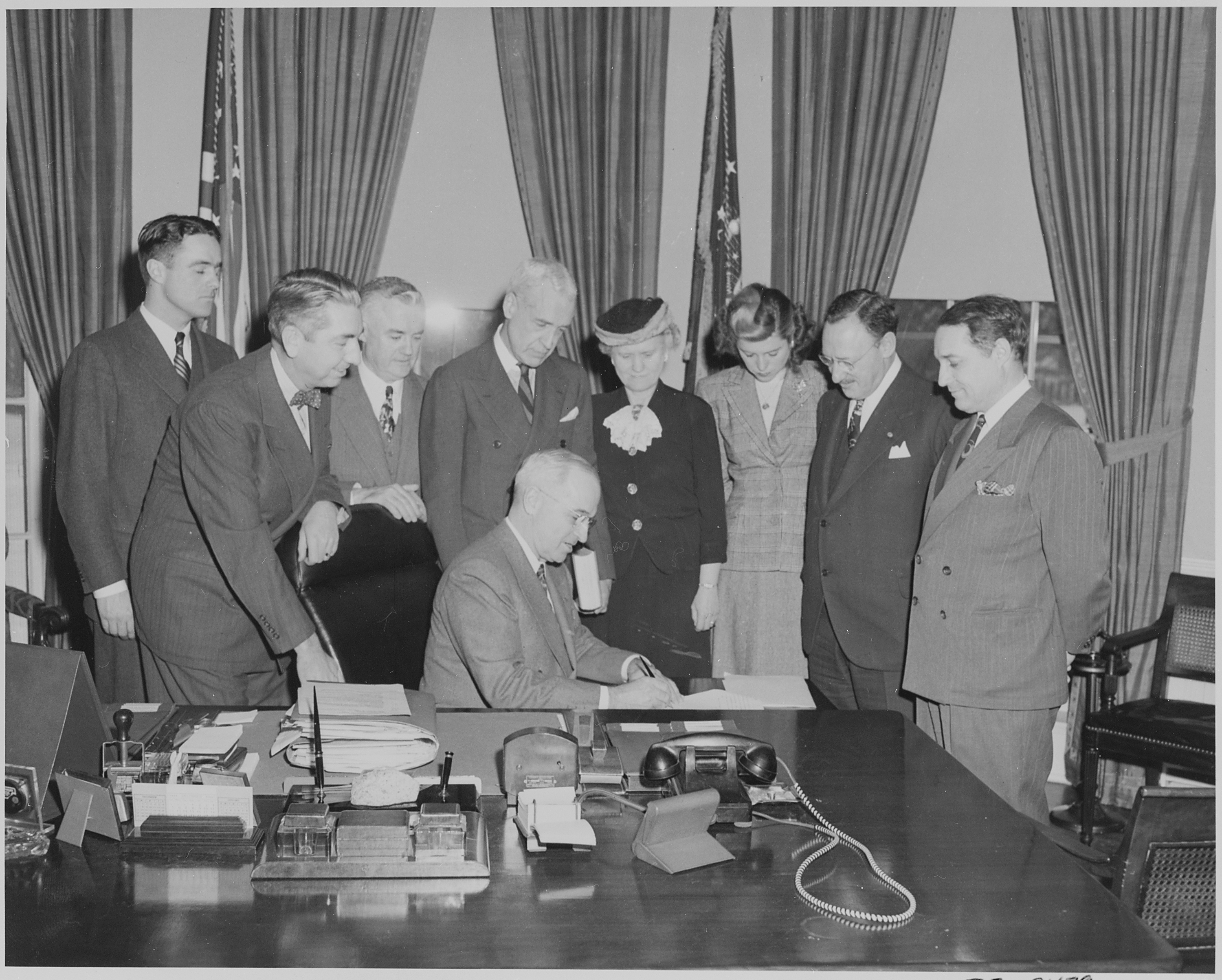
The zenith of Ewing’s career in public service came in August 1947 when President Harry S. Truman appointed him as the Administrator of the Federal Security Agency (FSA). In this capacity, he oversaw the Social Security Administration, the Public Health Service, and the Office of Education. Ewing became a close confidant of President Truman and a leading advocate for his Fair Deal agenda. He was a central figure in a group of influential administration officials, sometimes called the “Wardman Park Group,” who pushed for a more liberal policy direction. Ewing was a staunch proponent of a national health insurance program, a policy that faced fierce opposition from the American Medical Association. He also played a crucial role in promoting civil rights, working to extend federal welfare programs, and broadening the coverage of Social Security. One of his significant achievements was opening Washington, D.C.’s Gallinger Hospital to African-American doctors for internships and residencies. His leadership at the FSA laid the groundwork for the eventual creation of the Department of Health, Education, and Welfare in 1953. Ewing was also instrumental in Truman’s successful 1948 presidential campaign, co-managing the famous “whistle-stop” tour. After leaving public office in 1953, Ewing returned to private law practice.
Oscar Ewing Personal Life & Family
Oscar Ewing’s personal life was marked by two marriages. On November 4, 1915, he married his first wife, Helen E. Dennis. They had two sons, James D. Ewing and George Ewing. Helen passed away in 1953. Two years later, on October 12, 1955, Ewing married Mary Whiting MacKay Thomas, and they remained together until his death. In his later years, Ewing moved to Chapel Hill, North Carolina, in 1960. He remained active in his community, serving as the chairman of the Research Triangle Regional Planning Commission from 1963 to 1967. He was also a director of the Research Triangle Foundation from 1960 until he passed away. Oscar Ewing died at his home in Chapel Hill on January 8, 1980, at the age of 90, from pneumonia complicated by ischemia, a circulatory disorder.
Awards and Achievements of Oscar Ewing
While specific awards and formal honors are not widely documented, Oscar Ewing’s career was filled with significant achievements that had a lasting impact on American society. His major accomplishments include:
- Co-founding the law firm Hughes, Hubbard, and Ewing.
- Serving as Vice Chairman of the Democratic National Committee from 1942 to 1947.
- Successfully prosecuting sedition and treason cases as a special U.S. prosecutor.
- Serving as the Administrator of the Federal Security Agency under President Truman, where he was a key architect of the Fair Deal program.
- Championing national health insurance and the expansion of Social Security.
- Promoting civil rights, including the integration of medical facilities.
- Playing a pivotal role in President Truman’s successful 1948 re-election campaign.
Oscar Ewing Net Worth and Income
Information regarding Oscar Ewing’s net worth and income is not publicly available. As a successful lawyer with a prominent career in both the private and public sectors, it is presumed that he was financially comfortable. Upon his death, his family suggested that expressions of sympathy be made as contributions to the Oscar R. Ewing Loan Fund at Harvard Law School, indicating a philanthropic inclination.
Legacy and Influence
Oscar Ewing left a significant legacy as a dedicated public servant and a champion of social progress. His influence was most profoundly felt during his tenure as the head of the Federal Security Agency, where he tirelessly worked to implement President Truman’s Fair Deal. He was a passionate advocate for a more just and equitable society, and his efforts to expand social safety nets and advance civil rights had a lasting impact on the nation. Ewing’s advocacy for national health insurance, though not realized in his time, was a precursor to later debates and reforms in American healthcare. His work helped to shape the modern American welfare state and solidified the Democratic Party’s commitment to social liberalism in the mid-20th century. His close relationship with President Truman and his role in the 1948 election underscore his importance as a political strategist. Ewing is remembered as a key figure of the Truman era, a man who dedicated his career to improving the lives of ordinary Americans.
Interesting Facts about Oscar Ewing
- He was a founding member of the “Wardman Park Group,” an informal gathering of influential Truman administration officials who helped shape the Fair Deal policies.
- Ewing was instrumental in the movement at the 1944 Democratic convention to make Harry S. Truman the vice-presidential candidate.
- He played a key role in managing President Truman’s famous “whistle-stop” campaign tour in 1948, which is often credited with securing Truman’s surprise victory.
- An Oscar R. Ewing Loan Fund was established at Harvard Law School in his honor.
Controversies
During his time as the Federal Security Agency Administrator, Oscar Ewing was not without his critics. Some decried what they considered his “high-handed ways in the bureaucracy.” One particular point of criticism was his use of a chef from St. Elizabeths Hospital, which was under the FSA’s administration, to prepare meals in his private official dining room. Additionally, his strong advocacy for national health insurance was highly controversial at the time and drew intense opposition from the American Medical Association.
Social Media Presence
- Instagram – Not applicable
- Twitter – Not applicable
- YouTube – Not applicable
Final Words about Oscar Ewing
Oscar Ewing’s life was a testament to the power of public service and a belief in a more progressive America. From his early days in Indiana to the corridors of power in Washington, D.C., he remained a steadfast advocate for the common citizen. His contributions to the Truman administration and the Fair Deal left an indelible mark on the nation’s social and political landscape. Though he has been gone for several decades, his work continues to resonate in the ongoing debates about healthcare, social security, and civil rights. Oscar Ewing’s biography is that of a dedicated lawyer, a savvy political operator, and a forward-thinking social reformer who played a crucial, if sometimes overlooked, role in shaping the course of post-war America.