
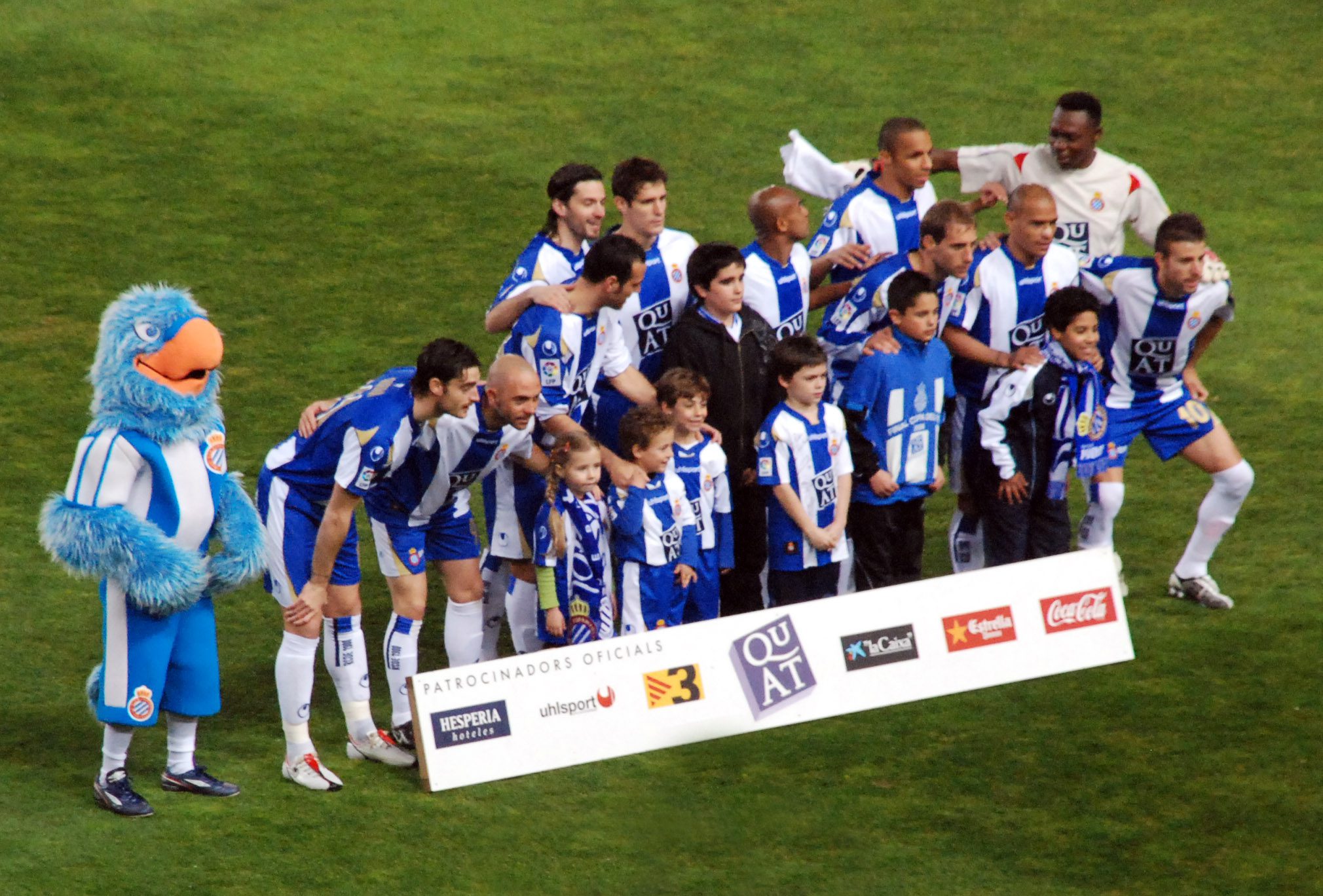
Brief Introduction of Espanyol
Reial Club Deportiu Espanyol de Barcelona, S.A.D., commonly known as Espanyol, is a professional football club based in Barcelona, Catalonia, Spain. Founded on October 28, 1900, by Ángel Rodríguez Ruiz, an engineering student at the University of Barcelona, Espanyol was notably the first Spanish football club formed exclusively by Spanish students and fans, a point of pride that distinguishes it from other early clubs in the region which often had foreign influences. The club, nicknamed “Periquitos” (Parakeets), is a founding member of La Liga, the top tier of Spanish football, and has a rich history that includes four Copa del Rey triumphs. Espanyol is renowned for its historic rivalry with cross-town competitor FC Barcelona, known as the “Derbi Barceloní,” one of the most played local derbies in Spanish football history. The club plays its home games at the modern RCDE Stadium and is recognized for its strong youth academy, which has produced numerous talented players over the decades.
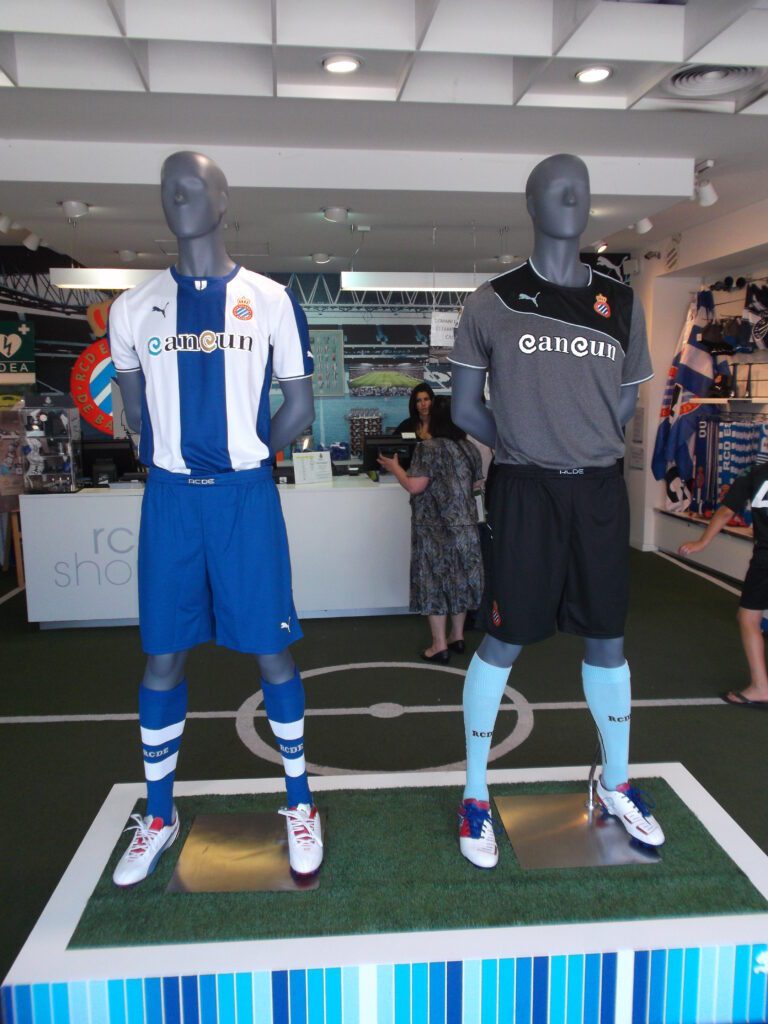
Espanyol Overview
| Full Name | Reial Club Deportiu Espanyol de Barcelona, S.A.D. |
| Date of Birth | October 28, 1900 |
| Age(as of 2025) | 125 years |
| Birthplace | Barcelona, Catalonia, Spain |
| Profession | Professional Football Club |
| Owner | Velocity Sports Partners (sports investment division of ALK Capital) |
| Family | President: Alan Pace, Head Coach: Manolo González |
| Relationship/Affairs(GF/BF) | Primary Rivalry with FC Barcelona (Derbi Barceloní) |
| Net Worth | Estimated Market Value of €99.00 million (as of 2025) |
Early Life and Education of Espanyol
The origins of RCD Espanyol are deeply rooted in the academic environment of early 20th-century Barcelona. The club was founded on October 28, 1900, by Ángel Rodríguez Ruiz, an engineering student at the University of Barcelona. Initially named Sociedad Española de Football, the club was a direct response to the influx of foreign-influenced football clubs in the city. Espanyol was established with a clear identity: to be a club for the Spanish people, created by and for local football enthusiasts. This was a significant distinction at a time when many other clubs were founded by expatriates. The club’s first members were fellow university students who shared Rodríguez’s passion for the burgeoning sport. They initially played on a field near the Sagrada Familia, and their first kits were bright yellow shirts, reportedly because a friend of the founder had a surplus of that color fabric. In 1901, the name was changed to Club Español de Fútbol. The club temporarily ceased activities in 1906 due to financial difficulties, with many players joining X Sporting Club. However, it was re-established in 1909 as Club Deportivo Español, and in 1910, they adopted their now-famous blue and white striped jerseys, inspired by the coat of arms of the medieval naval hero Roger de Lluria.
Espanyol’s Career
Espanyol’s professional journey is one of resilience, historic triumphs, and consistent presence in Spanish football’s top flight. In 1912, the club received royal patronage from King Alfonso XIII, adopting the name Real Club Deportivo Español. This royal title has remained a part of their identity, with brief interruptions for political reasons, such as during the Second Spanish Republic. A monumental moment in the club’s history came in 1928 when they became one of the ten founding members of La Liga. Just a year later, in 1929, Espanyol lifted their first major trophy, the Copa del Rey, defeating Real Madrid in the final. They would go on to win this prestigious cup on three more occasions: in 1940, 2000, and most recently in 2006, with a commanding 4-1 victory over Real Zaragoza. While the La Liga title has eluded them, Espanyol has the distinction of being the club with the most seasons in the top division without ever winning it, a testament to their enduring competitiveness. On the European stage, Espanyol has also made its mark. The club has twice reached the final of the UEFA Cup (now the UEFA Europa League). Their first appearance was in 1988, where they faced Bayer Leverkusen. After a dominant 3-0 home victory, they suffered a heartbreaking loss in the away leg by the same scoreline, ultimately losing on penalties. Nineteen years later, in 2007, they reached the final again, this time against fellow Spanish side Sevilla. In a hard-fought match, Espanyol remained unbeaten throughout the entire tournament but once again fell short in the penalty shootout after a 2-2 draw. The club has experienced relegations from La Liga but has consistently managed to secure a swift return to the top flight, most recently earning promotion in the 2023-24 season. This resilience has been a hallmark of their career, allowing them to maintain their status as a significant club in the Spanish football landscape.
Espanyol Personal Life & Family
As a football club, the concepts of personal life and family translate into its ownership, governance, and the broader community of fans and players. In September 2025, a new chapter in the club’s history began as Velocity Sports Partners (VSP), the sports investment arm of ALK Capital, completed the acquisition of a majority stake. This move brought the club under the same ownership umbrella as the English Premier League club Burnley FC, although both clubs are managed independently. The president of the club is Alan Pace, the head of ALK Capital. The day-to-day operations and team management are led by Head Coach Manolo González. The “family” of Espanyol extends to its passionate fanbase, known as the “Pericos.” The club’s identity has often been positioned in contrast to that of FC Barcelona. While some of the club’s directors have expressed pro-independence stances, the club officially remains apolitical, and a significant portion of its fanbase is believed to be against the independence of Catalonia. This creates a unique cultural dynamic within the city of Barcelona. The club also has a strong sense of family among its players, past and present. Figures like Raúl Tamudo, the club’s all-time leading goalscorer, and the late Dani Jarque, a beloved captain who tragically passed away in 2009, hold a special place in the hearts of the fans and are revered as part of the club’s enduring family.
Awards and Achievements of Espanyol
- Copa del Rey: 4 times (1929, 1940, 2000, 2006)
- UEFA Cup / UEFA Europa League: Runners-up 2 times (1988, 2007)
- Segunda División: 2 times (1993–94, 2020–21)
- Campionat de Catalunya: 11 times
- Copa Catalunya: 6 times
Espanyol Net Worth and Income
As of 2025, while a precise net worth is not publicly disclosed, RCD Espanyol’s market value is estimated to be around €99.00 million. The club’s financial health is influenced by a variety of income streams. A significant portion of its revenue comes from television broadcasting rights, which are centrally negotiated by La Liga. Promotion to La Liga in the 2024-25 season was expected to bring in at least €43.7 million from these rights alone, a substantial increase from their earnings in the second division. Other major sources of income include matchday revenue from ticket sales and hospitality at the RCDE Stadium, which has a capacity of 40,000. Commercial revenue, generated through sponsorships, advertising, and merchandising, also plays a crucial role. The club has numerous official sponsors and partners. Furthermore, Espanyol has developed a profitable business area through its international academies program, establishing a global presence and creating a stable source of income through its well-regarded training methodology. Player transfers also contribute to the club’s finances, with the sale of talented players to bigger clubs generating significant funds at times.

Legacy and Influence
RCD Espanyol’s legacy in Spanish football is multifaceted and significant. As a founding member of La Liga in 1929, the club is woven into the very fabric of the competition’s history. Their unique origin, as a club founded by Spanish university students in defiance of the foreign influence prevalent at the time, has cemented their distinct identity within Catalan and Spanish football. This has often been a source of pride for their supporters and has shaped their public image in contrast to their local rivals, FC Barcelona. Espanyol’s influence can also be seen in its contribution to player development. The club’s youth academy, known as “La21,” has a strong reputation for nurturing talent. Over the years, many prominent players have emerged from their ranks or have had significant spells at the club, including the legendary goalkeeper Ricardo Zamora, whose name is now synonymous with the award for the best goalkeeper in La Liga. The club’s fierce rivalry with FC Barcelona, the “Derbi Barceloní,” has also had a lasting impact on the footballing culture of the city and the country. While often seen as the “other” club in Barcelona, Espanyol has maintained a dedicated and passionate fanbase that cherishes its unique history and identity. Their two UEFA Cup final appearances demonstrated their ability to compete at a high level in Europe, further enhancing their legacy.
Interesting Facts about Espanyol
- Espanyol was the first club in Spain to be formed exclusively by Spanish fans and students.
- The club’s nickname, “Periquitos” (Parakeets), is said to have originated in the 1920s when their stadium was surrounded by trees that were home to many of these birds.
- Pitus Prat, an Espanyol player, scored the first-ever goal in the history of La Liga on February 10, 1929.
- Espanyol is the only team in the history of the UEFA Cup/Europa League to have remained unbeaten throughout the tournament yet not win the trophy, a feat they achieved in the 2006-07 season.
- The club’s former stadium, Estadi de Sarrià, was one of the venues for the 1982 FIFA World Cup held in Spain.
- Legendary goalkeeper Ricardo Zamora began his illustrious career at Espanyol.
Controversies
Throughout its long history, RCD Espanyol has been involved in various controversies, often related to its rivalry with FC Barcelona and its perceived political and cultural identity. During the dictatorship of Miguel Primo de Rivera in the 1920s and later under Francisco Franco, FC Barcelona was seen as a symbol of Catalan identity and opposition to the central government in Madrid. In contrast, Espanyol was often perceived as being more aligned with the centralist authorities, which created a deep-seated political dimension to the rivalry. This perception has been a point of contention and debate among fans and historians for decades. The club and its supporters have often had to contend with allegations of being a “non-Catalan” club within Catalonia, a claim they vehemently dispute by pointing to their origins as the first club founded by local Catalans and Spaniards. In more recent times, controversies have occasionally arisen from the intense and sometimes heated nature of the “Derbi Barceloní,” with on-pitch incidents and disputes between players and fans making headlines.
Social Media Presence
- Instagram – Over 1 million followers
- Twitter – Over 600,000 followers
- YouTube – Over 800,000 subscribers
- Facebook – Over 1 million followers
- TikTok – Over 3.9 million followers
Final Words about Espanyol
As RCD Espanyol continues its journey in its 125th season, it remains a club with a proud history and a clear identity. Under the new ownership of Velocity Sports Partners and the leadership of President Alan Pace, the club is navigating a new era with ambitions for sustained success and stability in La Liga. Their recent promotion back to the top flight underscores the club’s characteristic resilience. The future for Espanyol will likely focus on strengthening their position in La Liga, continuing to develop talent through their esteemed youth academy, and expanding their global brand. The “Derbi Barceloní” will undoubtedly continue to be a focal point of their seasons, a rivalry that encapsulates much of their history and identity. With a rapidly growing digital presence, as evidenced by surpassing 10 million followers on social media, Espanyol is actively working to engage with a new generation of fans both at home and abroad. The club’s legacy as a founding member of Spanish football’s elite, combined with its unique cultural standing in Barcelona, ensures that the “Periquitos” will remain a significant and compelling institution in the world of football for years to come.