
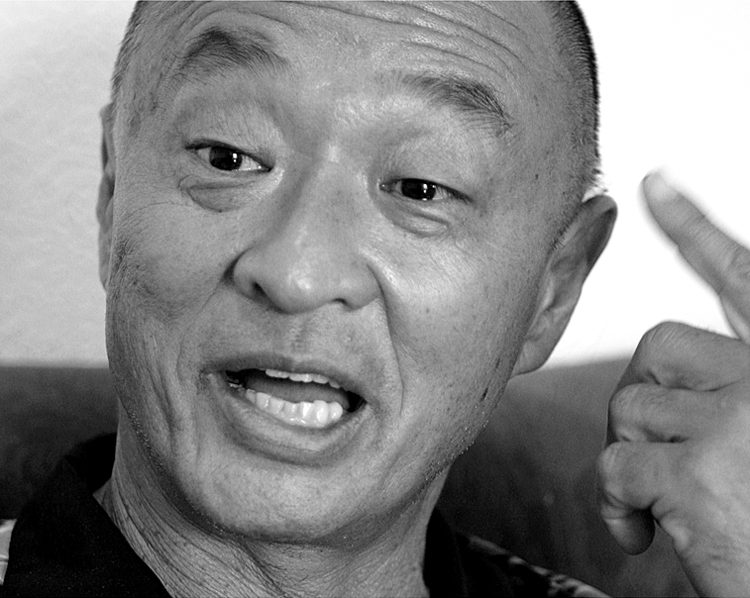
Brief Introduction of Cary Hiroyuki Tagawa
Cary-Hiroyuki Tagawa was a Japanese-American actor, producer, and martial artist who captivated audiences for decades with his commanding presence and versatile performances. While often cast in villainous roles, he brought a nuanced depth and charisma to each character, leaving an indelible mark on cinema and television. He is perhaps most famously known for his iconic portrayal of the soul-stealing sorcerer Shang Tsung in the “Mortal Kombat” franchise, a role he would revisit across film, television, and video games, cementing his status as a cultural icon. Tagawa’s career spanned a wide array of genres and memorable films, including the Academy Award-winning “The Last Emperor,” the James Bond film “Licence to Kill,” “Pearl Harbor,” and “Memoirs of a Geisha.” His ability to portray complex characters was further showcased in his role as the thoughtful Trade Minister Nobusuke Tagomi in the Amazon series “The Man in the High Castle.” A dedicated martial artist, Tagawa’s physical prowess and discipline were evident in many of his roles, contributing to his unique and powerful on-screen persona that made him one of Hollywood’s most recognizable and respected actors.
Cary Hiroyuki Tagawa Overview
| Full Name | Cary-Hiroyuki Tagawa |
| Date of Birth | September 27, 1950 |
| Age(as of 2025) | 75 |
| Birthplace | Tokyo, Japan |
| Profession | Actor, Producer, Martial Artist |
| Husband/Wife | Sally Phillips (divorced 2014) |
| Family | Mother – Mariko Hata (Actress), Father – (U.S. Army), Children – Calen, Brynne, and Cana Tagawa, Grandchildren – River and Thea Clayton |
| Relationship/Affairs(GF/BF) | Information not disclosed. |
| Net Worth | Approximately $20 million |
Early Life and Education of Cary Hiroyuki Tagawa
Cary-Hiroyuki Tagawa was born on September 27, 1950, in Tokyo, Japan. His heritage was a blend of artistic talent and military discipline; his mother, Mariko Hata, was a Japanese actress, while his father was a Japanese-American serving in the United States Army. This military connection defined much of Tagawa’s early life, as the family moved frequently due to his father’s postings. He spent his formative years on various U.S. Army bases, including Fort Bragg in North Carolina, Fort Polk in Louisiana, and Fort Hood in Texas. This nomadic upbringing exposed him to different cultures and environments within the United States from a young age. Eventually, the family settled in Southern California. It was here, while attending Duarte High School, that Tagawa first discovered a passion for acting. After high school, he continued his education at the University of Southern California (USC). During his time at USC, he participated in an exchange student program that allowed him to return to Japan, further connecting with his roots. Alongside his academic pursuits, Tagawa immersed himself in the world of martial arts. He studied kendo and Shotokan karate under the tutelage of the renowned Master Masatoshi Nakayama at the Japan Karate Association, laying a foundation of discipline and physical skill that would become integral to his later acting career.
Cary Hiroyuki Tagawa’s Career
Cary-Hiroyuki Tagawa’s journey into acting began in his mid-30s, but he quickly established himself as a formidable talent in Hollywood. His breakthrough role came in 1987 when he was cast as the eunuch Chang in Bernardo Bertolucci’s critically acclaimed epic, “The Last Emperor.” The film’s sweeping success, including winning nine Academy Awards, provided Tagawa with significant international exposure and set the stage for a prolific career. Following this, he was often cast in antagonist roles, bringing a signature blend of menace and sophistication to the screen. In 1989, he played a memorable role as the villain Kwang in the James Bond film “Licence to Kill.” Throughout the early 1990s, he appeared in several action films, including “Showdown in Little Tokyo” (1991) alongside Dolph Lundgren and Brandon Lee, and “Rising Sun” (1993) with Sean Connery and Wesley Snipes.
However, it was his role in 1995 that would solidify his status as a pop culture icon. Tagawa’s portrayal of the sinister and powerful sorcerer Shang Tsung in the film adaptation of the popular video game “Mortal Kombat” was a defining moment in his career. His chilling delivery of the line, “Your soul is mine!” became instantly iconic and is still celebrated by fans worldwide. Tagawa’s connection to the character was profound, and he would reprise the role in the 2013 web series “Mortal Kombat: Legacy” and lent his voice and likeness to the character in the video game “Mortal Kombat 11” (2019). His filmography continued to grow with roles in major productions like “Pearl Harbor” (2001), Tim Burton‘s “Planet of the Apes” (2001), and “Memoirs of a Geisha” (2005). He also played Heihachi Mishima in the film adaptation of the video game “Tekken” (2009). Tagawa also had a significant career in television, with roles in series such as “Star Trek: The Next Generation,” “Revenge,” and a notable recurring role in “Nash Bridges.” One of his most critically acclaimed later roles was as the Trade Minister Nobusuke Tagomi in Amazon’s “The Man in the High Castle,” where he delivered a nuanced and compelling performance that showcased his dramatic range.
Cary Hiroyuki Tagawa Personal Life & Family
Cary-Hiroyuki Tagawa’s personal life was marked by a blend of American and Japanese cultures, deep family ties, and a spiritual journey that led him down a unique path. In 1984, he married Sally Phillips, and together they had three children: a son named Calen, and two daughters, Brynne and Cana. The family resided in Hawaii, where they raised their children away from the glare of Hollywood. After nearly three decades of marriage, Tagawa and Phillips divorced in 2014. Tagawa was also a grandfather to two grandchildren, River and Thea Clayton. In a significant spiritual shift later in his life, Tagawa converted to Eastern Orthodoxy in 2015. The following year, in 2016, he was granted Russian citizenship. Beyond his family and spiritual beliefs, Tagawa was a dedicated martial artist who developed his own system called Chu Shin. He was known to be a private individual who valued his family life. Tragically, Cary-Hiroyuki Tagawa passed away at the age of 75 on December 4, 2025, at his home in Santa Barbara, California, due to complications from a stroke. He was surrounded by his children at the time of his death.
Awards and Achievements of Cary Hiroyuki Tagawa
- In November 2015, Tagawa was an honoree for the Fists of Legends Legacy Award at the Urban Action Showcase & Expo.
- He shared a Behind the Voice Actors Award for Best Vocal Ensemble in a Feature Film for his work in “Kubo and the Two Strings” (2016).
Cary Hiroyuki Tagawa Net Worth and Income
As of 2025, Cary-Hiroyuki Tagawa’s net worth was estimated to be around $20 million. This substantial wealth was accumulated over a long and successful career in the entertainment industry that spanned several decades. His income was primarily derived from his numerous acting roles in blockbuster films, popular television series, and voice work for video games. Films like “Mortal Kombat,” “The Last Emperor,” “Licence to Kill,” and “Pearl Harbor” were significant contributors to his earnings. Additionally, his recurring role in the critically acclaimed series “The Man in the High Castle” and his continued involvement with the “Mortal Kombat” franchise, including voice acting for video games, provided him with a steady stream of income. Tagawa also earned income from his work as a film producer and his activities related to his own martial arts system, Chu Shin.
Legacy and Influence
Cary-Hiroyuki Tagawa leaves behind a powerful legacy as a pioneering Asian-American actor who broke barriers and redefined the portrayal of villains in Hollywood. He brought a level of dignity, intelligence, and complexity to roles that could have easily been one-dimensional, earning him respect from audiences and peers alike. His iconic performance as Shang Tsung in “Mortal Kombat” is etched in the memory of a generation of film and video game enthusiasts, and his portrayal is often considered the definitive version of the character. Beyond his most famous role, Tagawa’s body of work demonstrated his versatility and commitment to his craft. He was a trailblazer who challenged stereotypes and opened doors for other Asian actors in the industry. Away from the screen, he was regarded as a warm and charismatic mentor to younger actors and martial artists. His development of his own martial arts philosophy, Chuu-Shin, further showcased his dedication to both the physical and spiritual aspects of the arts. Tagawa’s influence extends beyond his filmography; he is remembered for his powerful on-screen presence, his contribution to the representation of Asian characters in Western media, and his dedication to his art form.
Interesting Facts about Cary Hiroyuki Tagawa
- Tagawa was an exchange student in Japan while attending the University of Southern California.
- He was fluent in English and Japanese and also spoke some Korean and Spanish.
- He developed his own martial arts style called Chu Shin.
- In 2015, he converted to the Eastern Orthodox faith and became a Russian citizen in 2016.
- Before his acting career took off, he worked in various jobs, including as a photojournalist and a driver.
- He was discovered by the acclaimed director Bernardo Bertolucci, who cast him in “The Last Emperor.”
Controversies
In 2008, Cary-Hiroyuki Tagawa faced a legal issue involving a domestic dispute. He pleaded guilty to a petty misdemeanor charge of harassing his then-girlfriend. He was initially arrested on a misdemeanor domestic abuse charge after police responded to a call and found the woman with visible injuries. As part of a plea deal, he was sentenced to one year of probation, a fine which was donated to a domestic violence victims’ group, and was ordered to attend a domestic violence intervention program and write a letter of apology to the victim.
Social Media Presence
- Instagram – Information not publicly available
- Twitter – Information not publicly available
- YouTube – Information not publicly available
Final Words about Cary Hiroyuki Tagawa
Cary-Hiroyuki Tagawa’s passing marks the end of an era for a truly unique and impactful talent in the world of entertainment. His career, built on a foundation of martial arts discipline and a powerful acting presence, resulted in a legacy that will endure for generations to come. While he may have been best known for his villainous roles, particularly the unforgettable Shang Tsung, his body of work reveals an actor of great depth and range. His contributions to films like “The Last Emperor” and his compelling performance in “The Man in the High Castle” demonstrated his ability to captivate audiences in a variety of roles. Tagawa’s life was one of cultural fusion, spiritual exploration, and unwavering dedication to his craft. He will be remembered not only for the iconic characters he brought to life but also as a trailblazer who paved the way for greater diversity and more nuanced portrayals of Asian characters in Hollywood. His influence on both action cinema and dramatic acting ensures that his work will continue to be celebrated and admired by fans all over the world.
 Team Dailly WikiBio